This exhibition presents a collection of artworks created by students, capturing their unique perspectives and boundless imagination. Through painting, collage, and mixed media, students explore themes of identity, emotion, and the beauty found in everyday life. Each piece reflects their curiosity, courage, and creativity—transforming classroom learning into authentic visual storytelling. Together, these works remind us that art is not only a skill to be learned, but also a language to express feelings, dreams, and connections with the world.
The Beauty of Expression
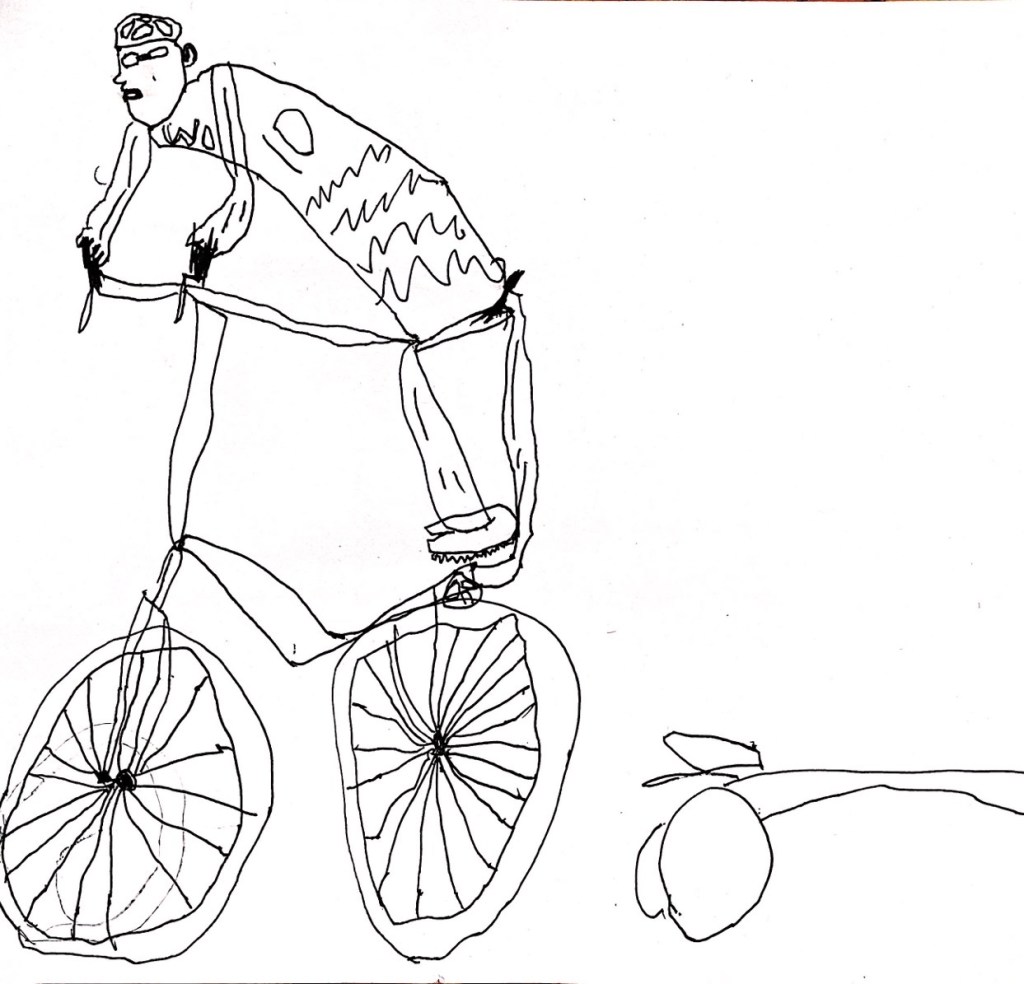
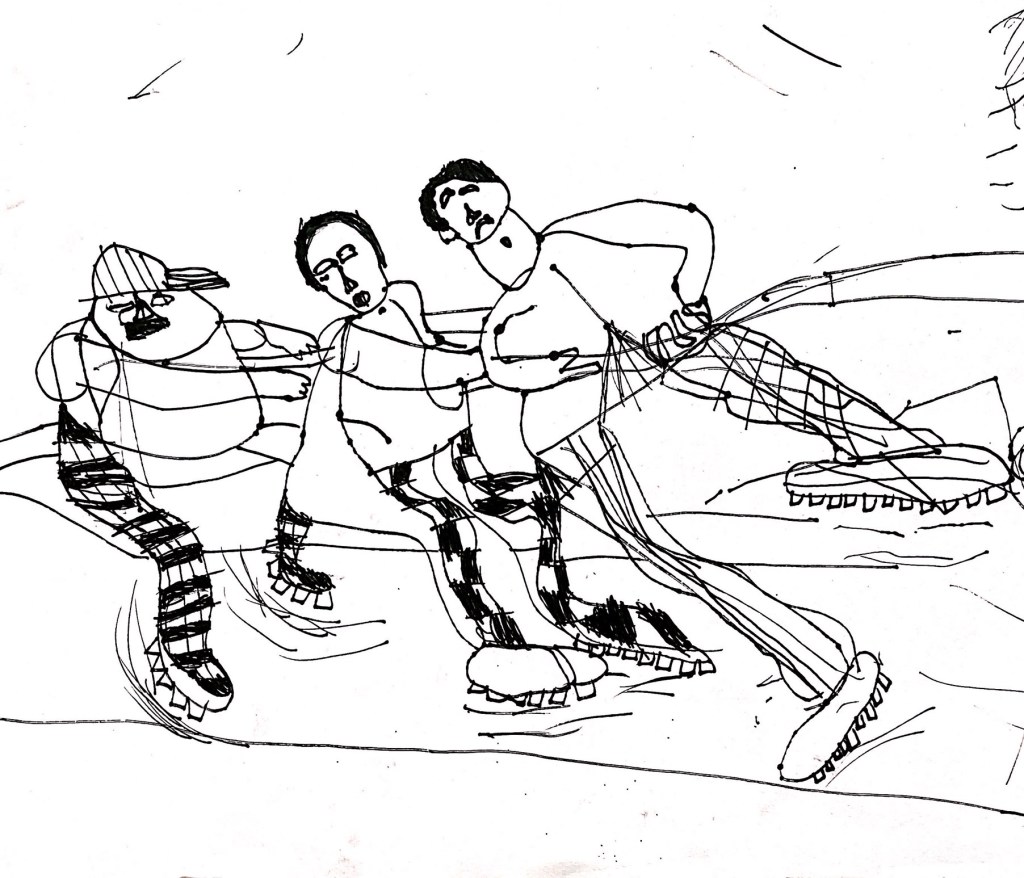
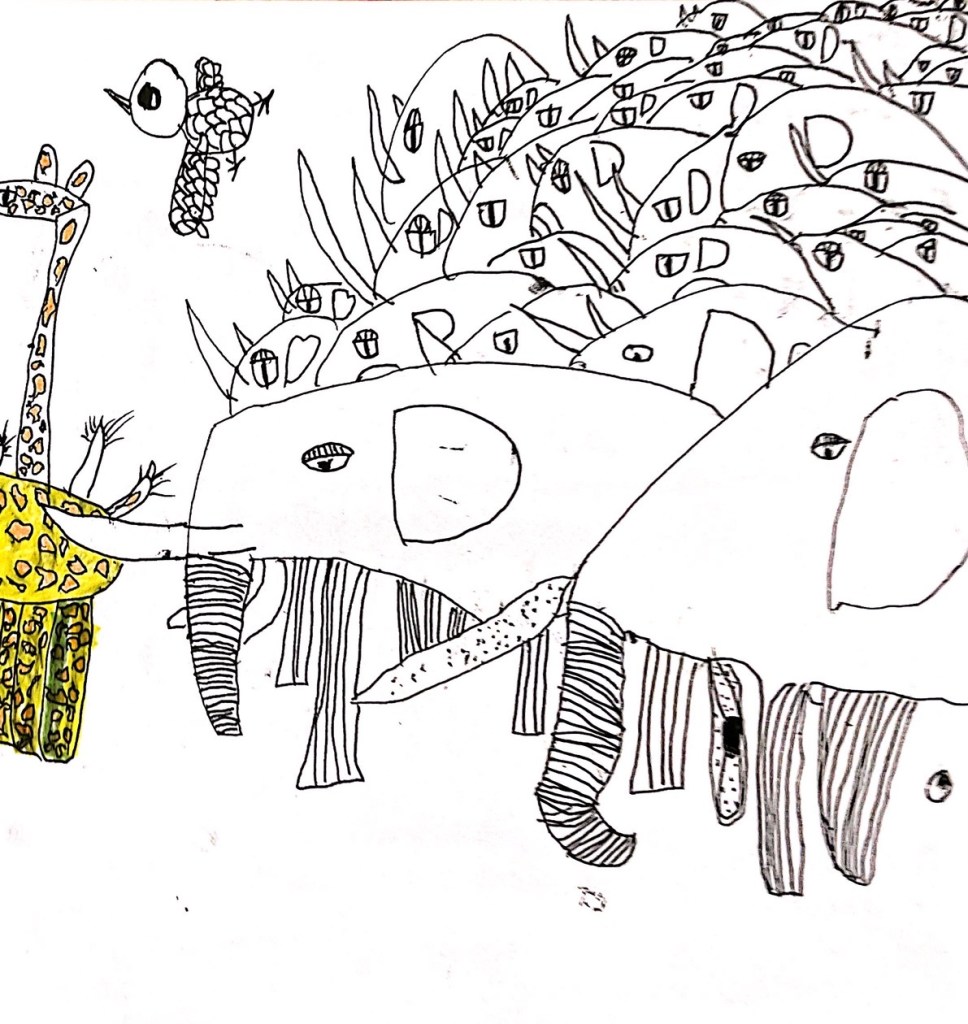
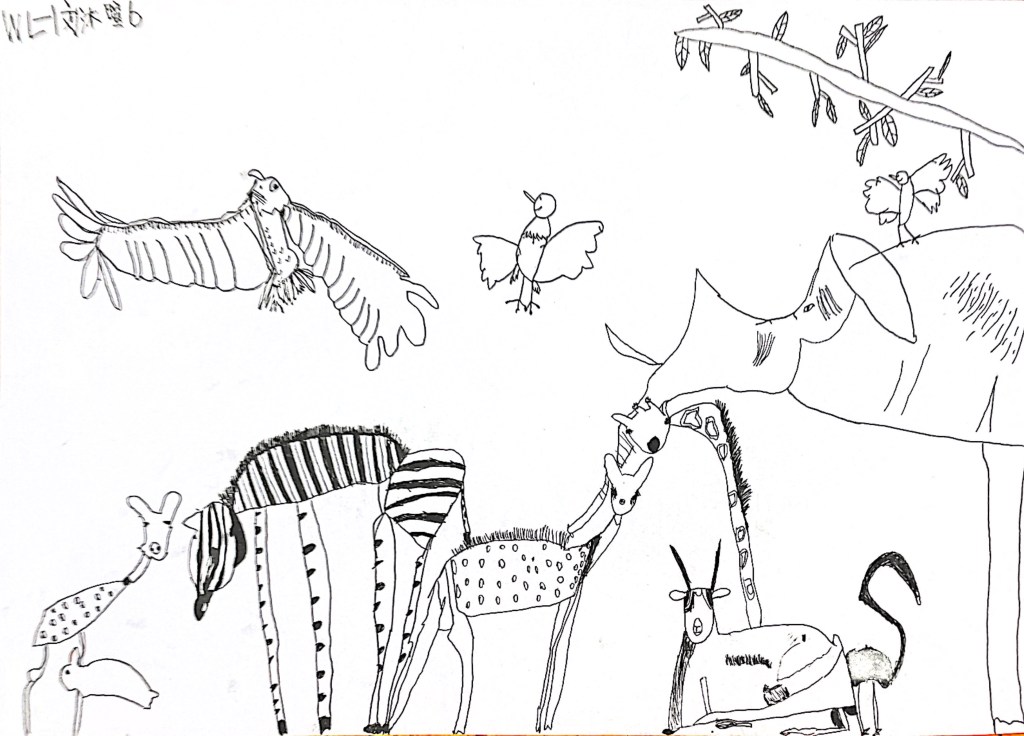
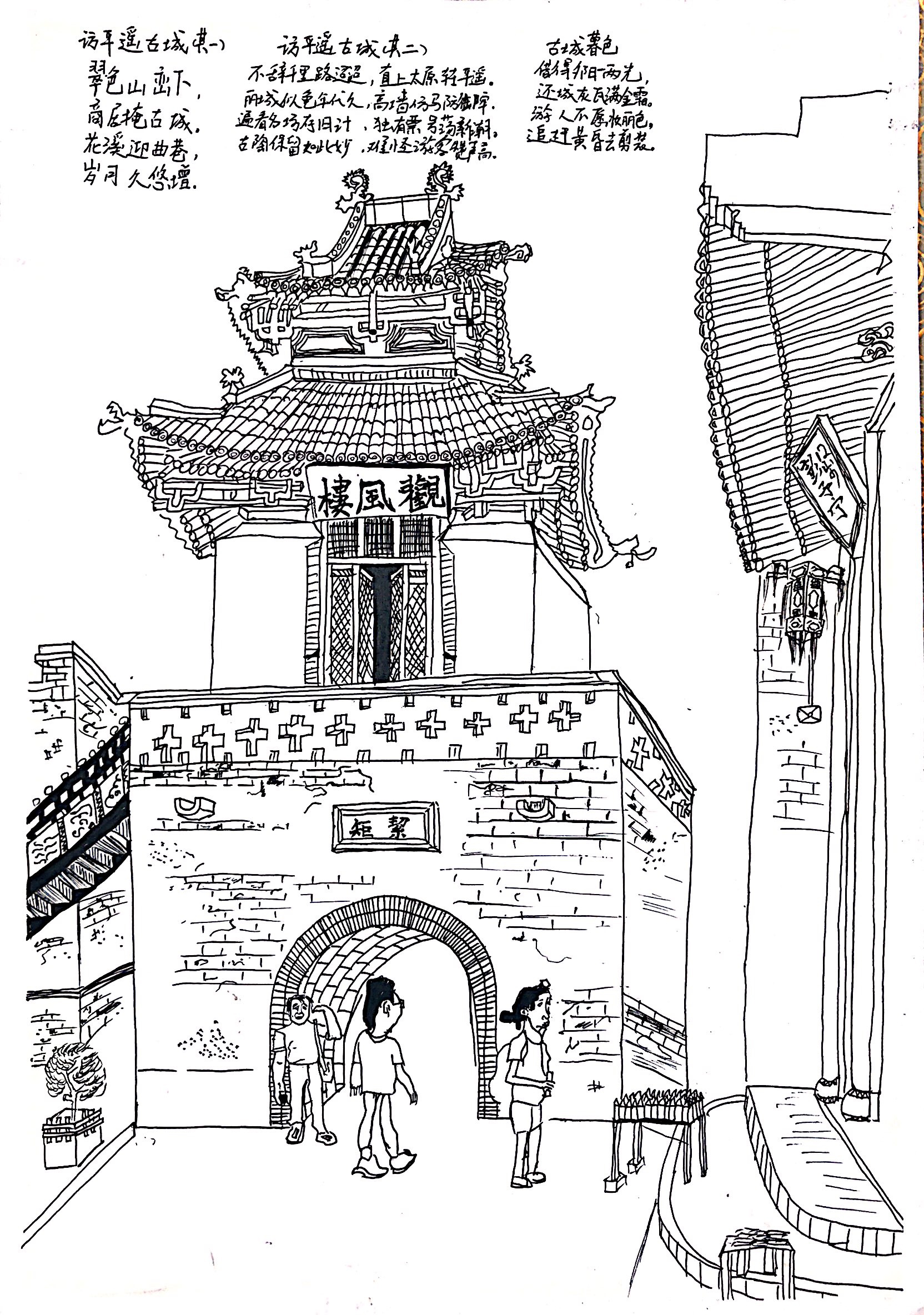
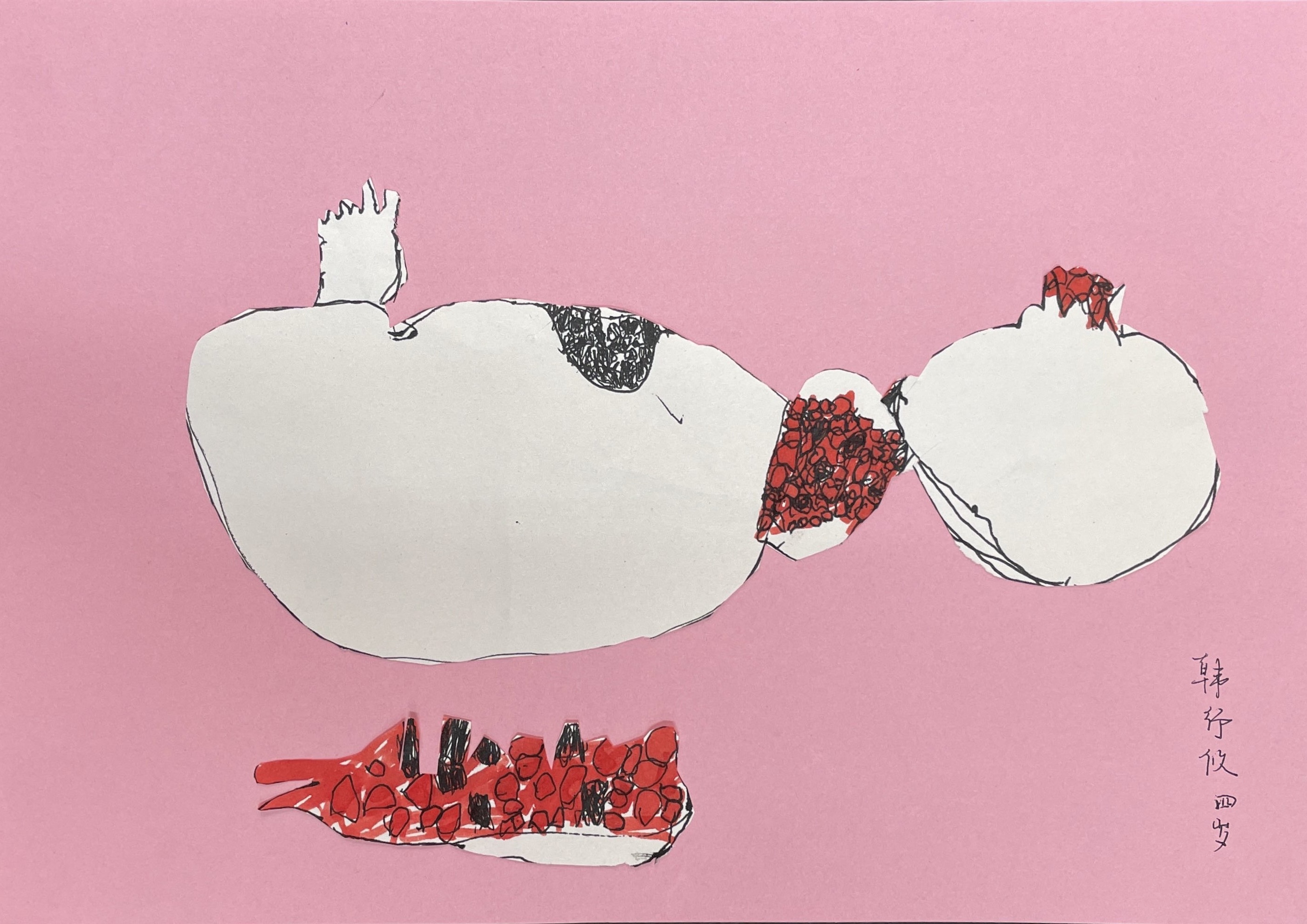
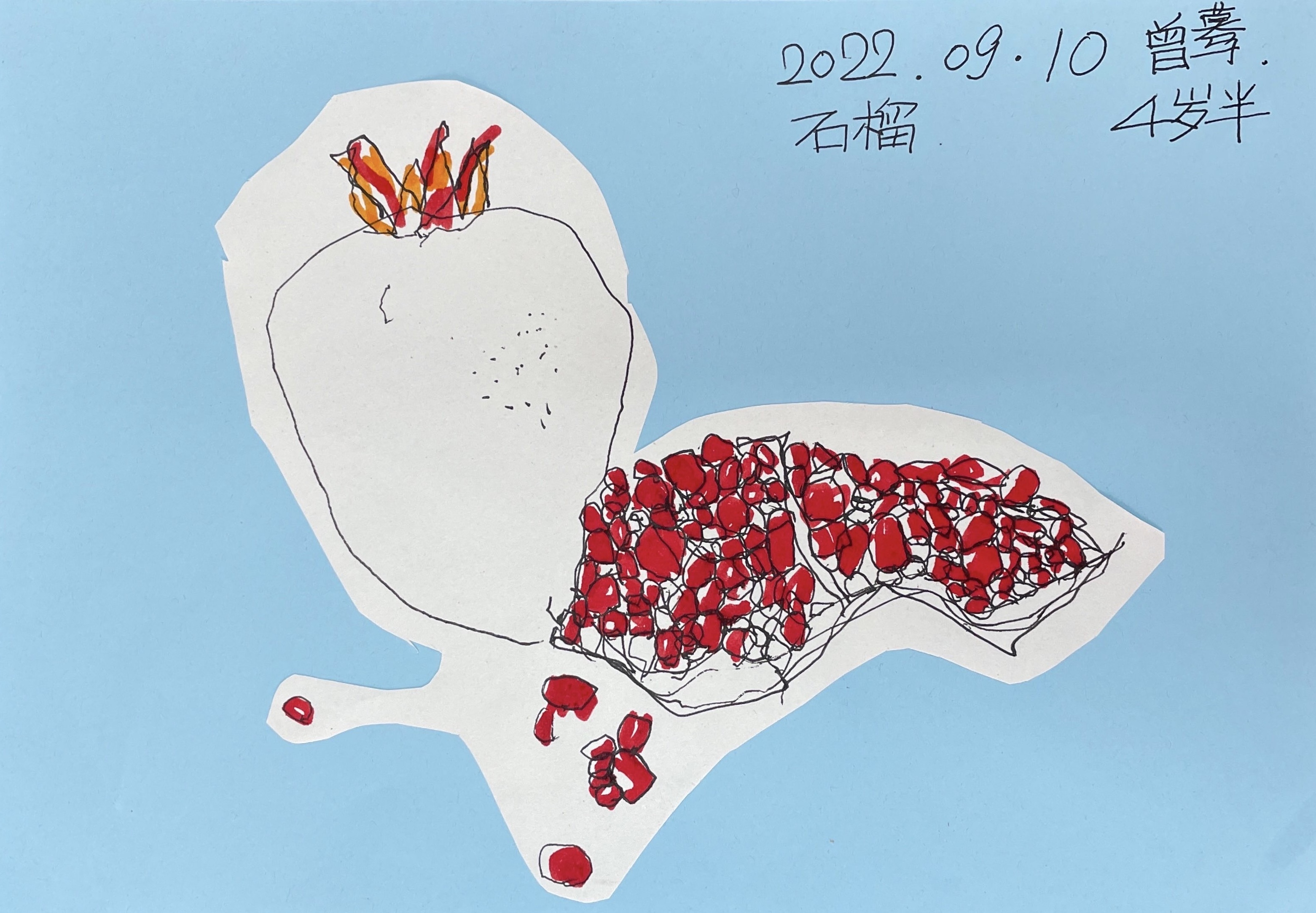
The pure beauty of lines
In this collection, students explore the expressive power of lines—how a single stroke can convey rhythm, movement, and emotion. Through simple yet intentional gestures, they discover the pure beauty that emerges from sincerity and focus. Each line becomes a trace of thought and feeling, reflecting the child’s inner world with honesty and clarity.
This practice encourages students to slow down, observe carefully, and find balance between control and spontaneity. In their drawings, the purity of lines reveals not only aesthetic beauty, but also the innocence and vitality of artistic growth.

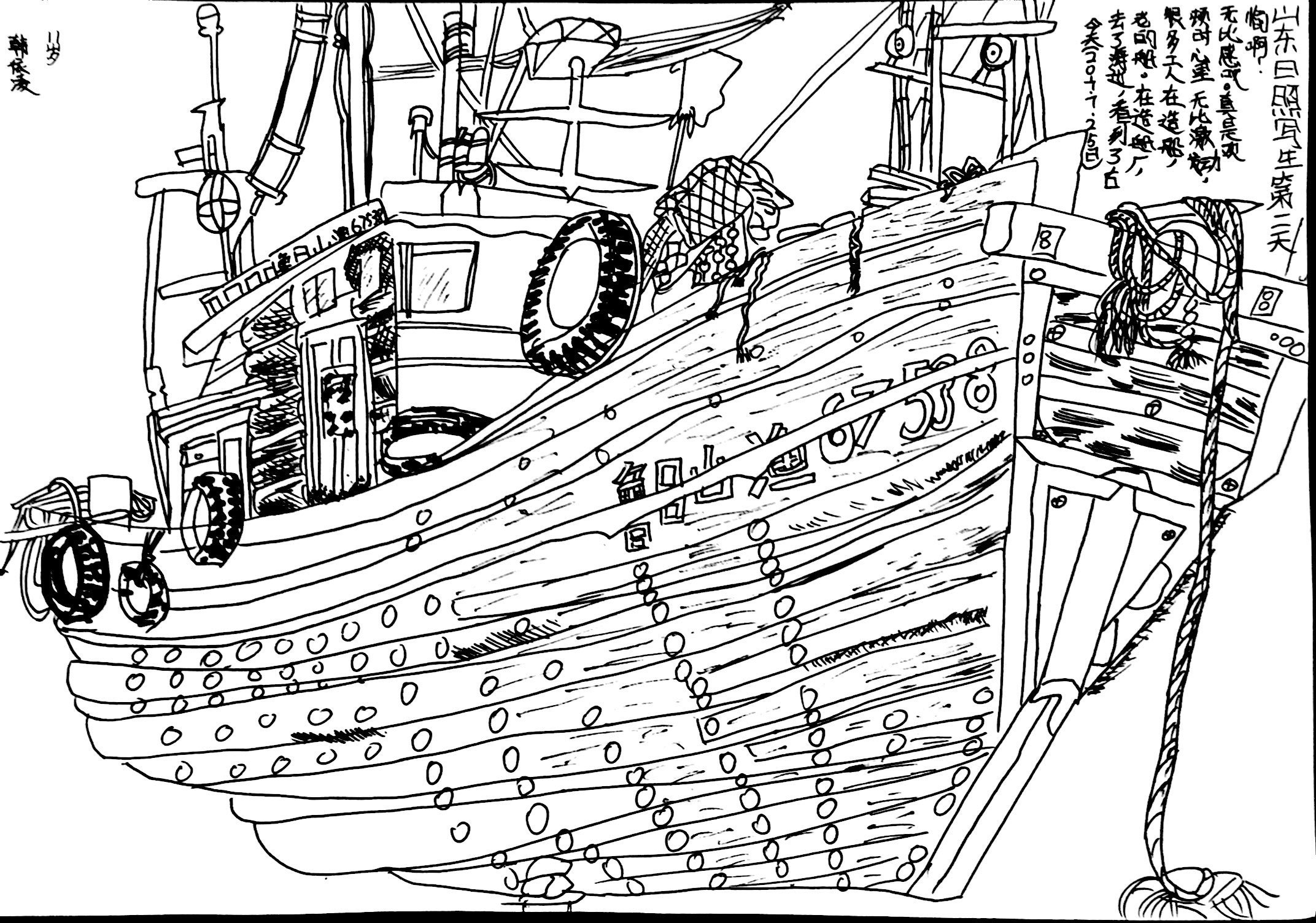
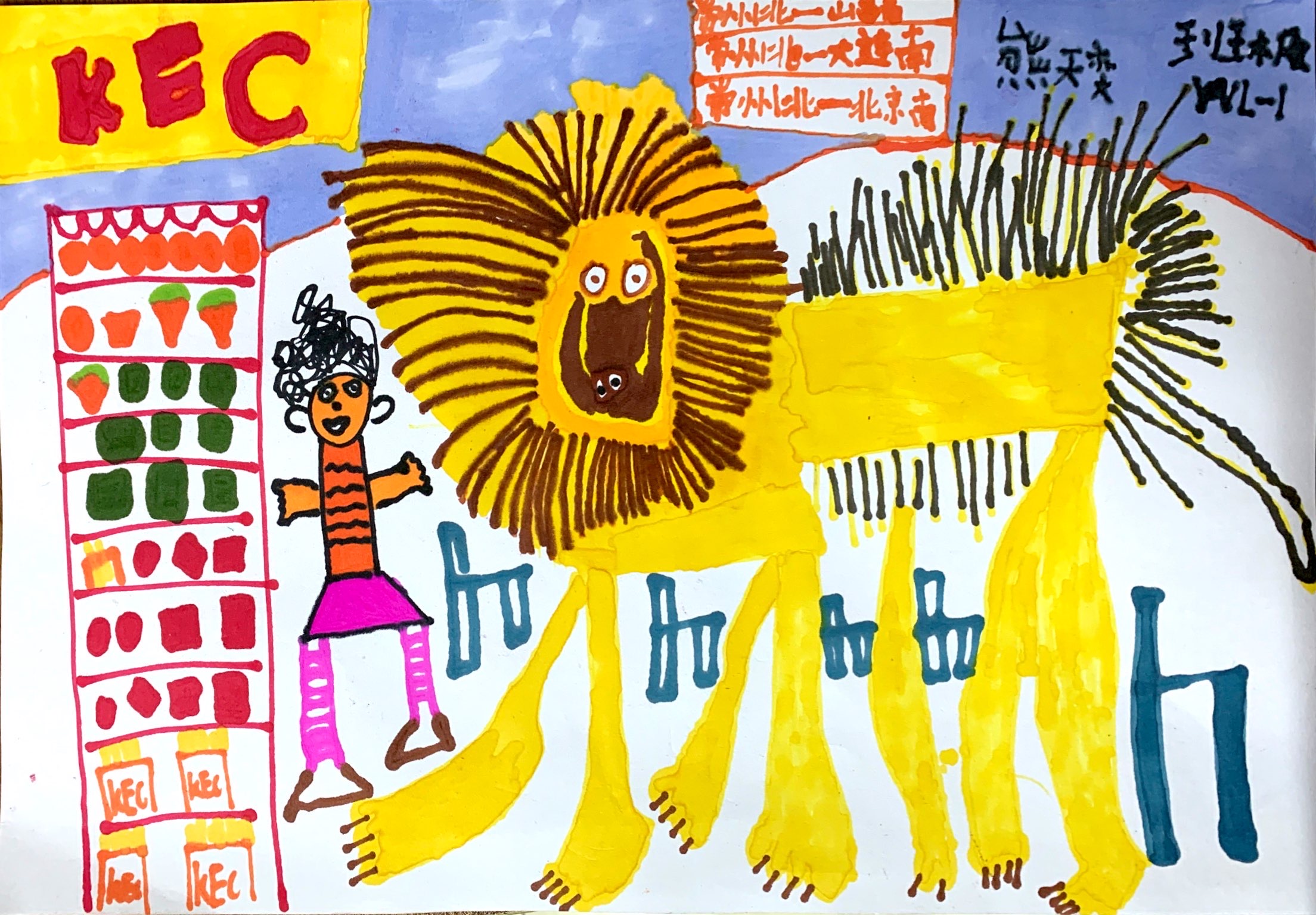
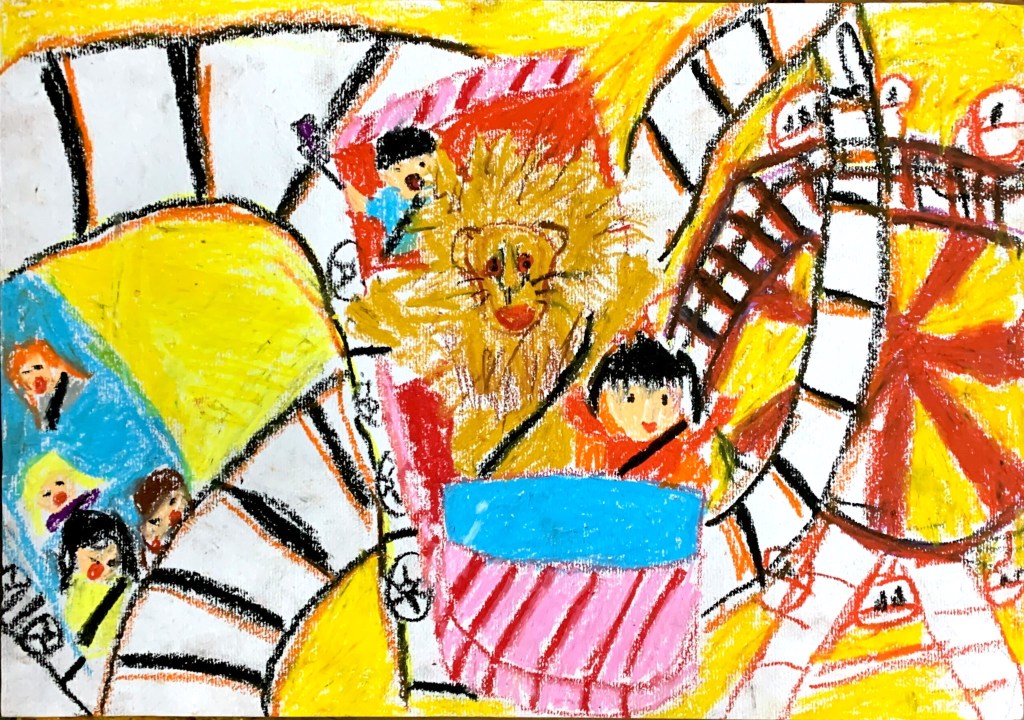
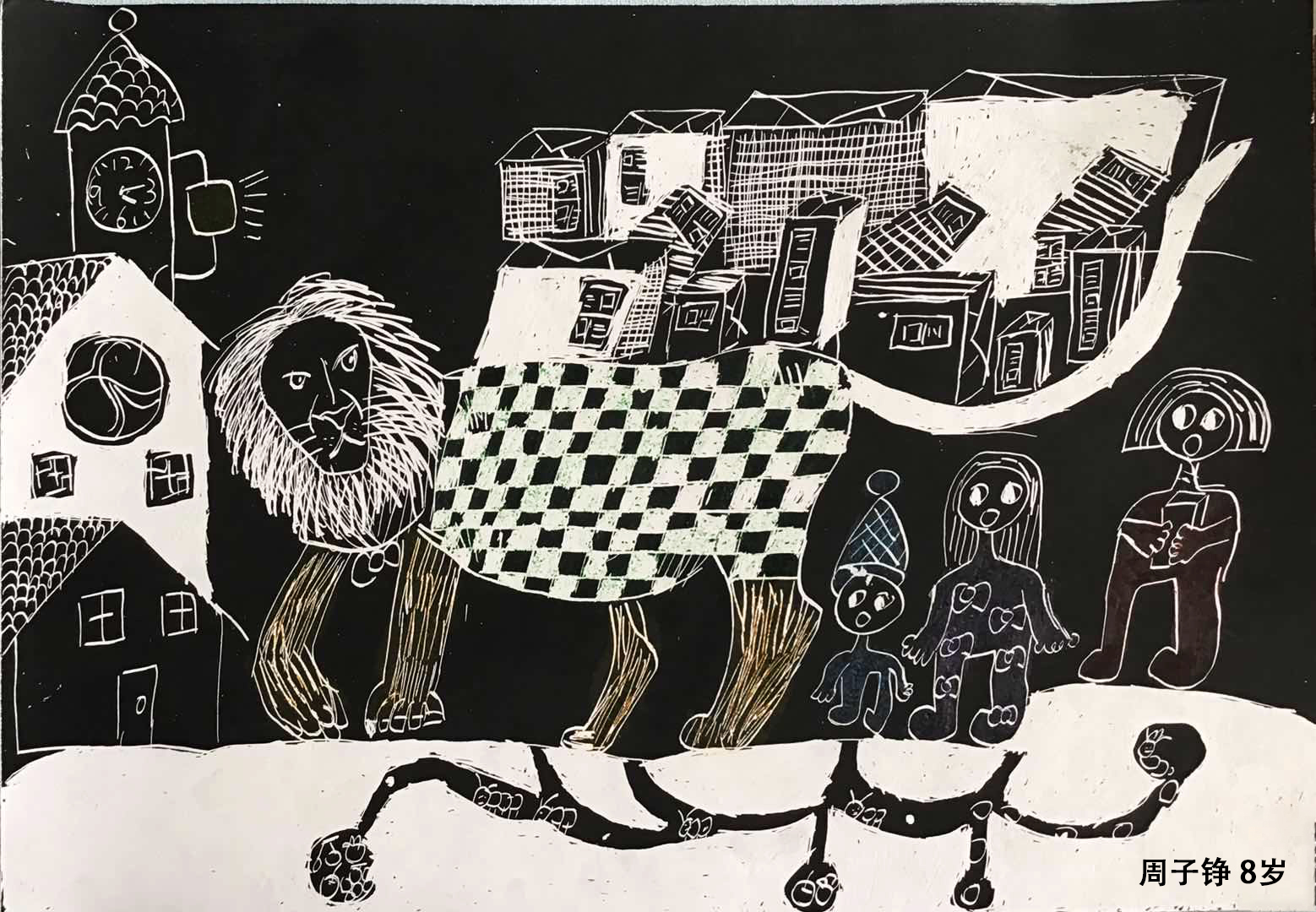
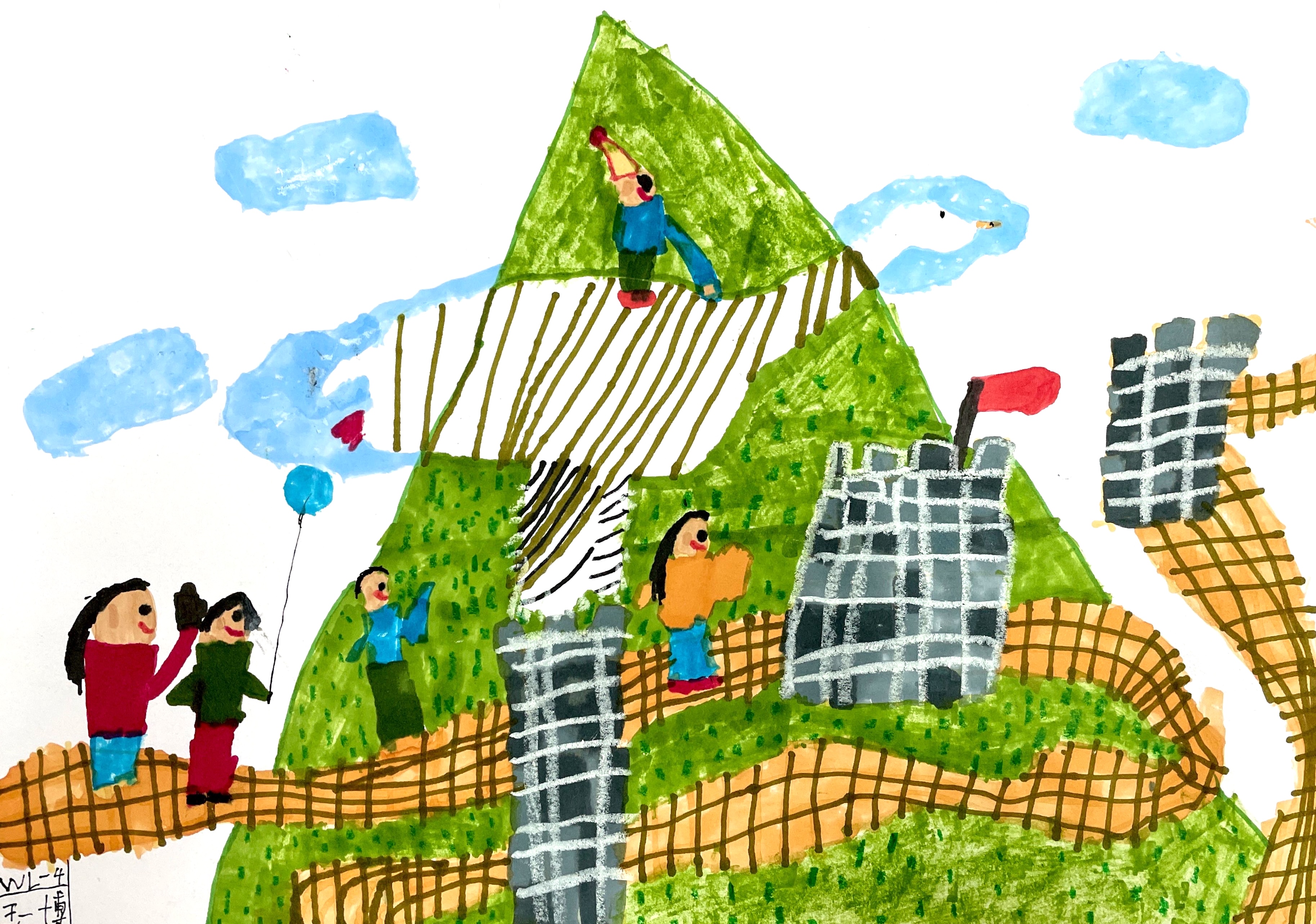
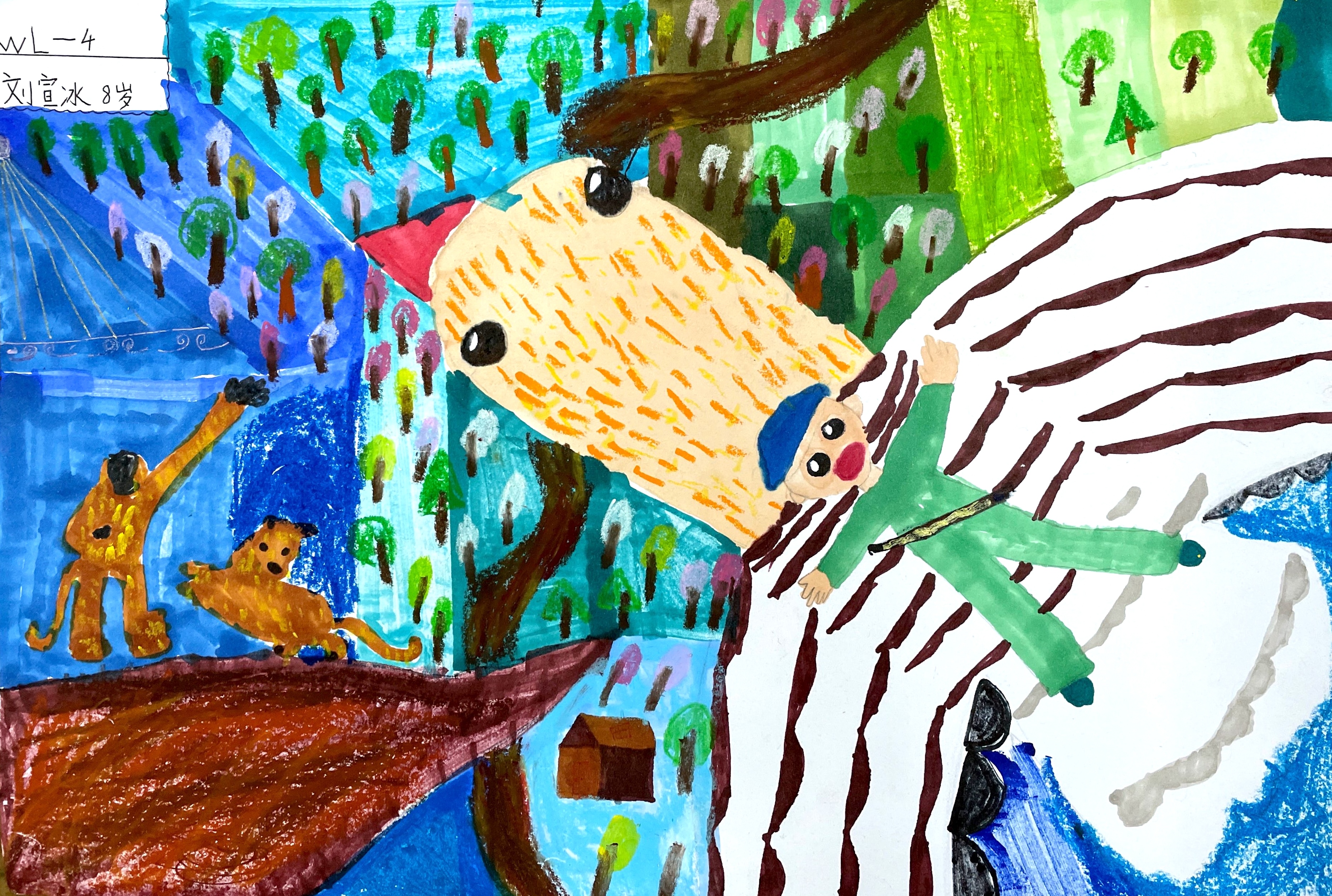
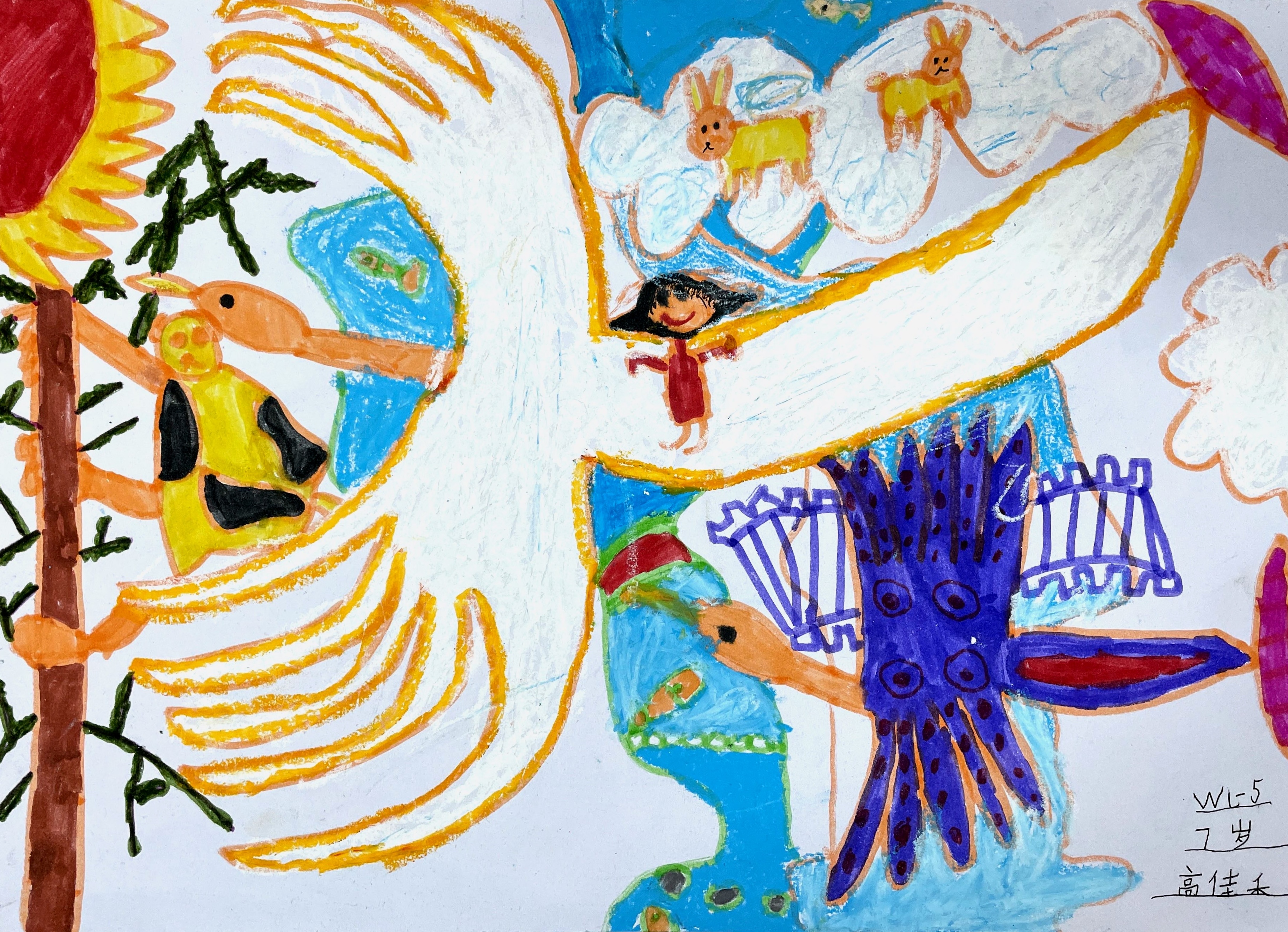
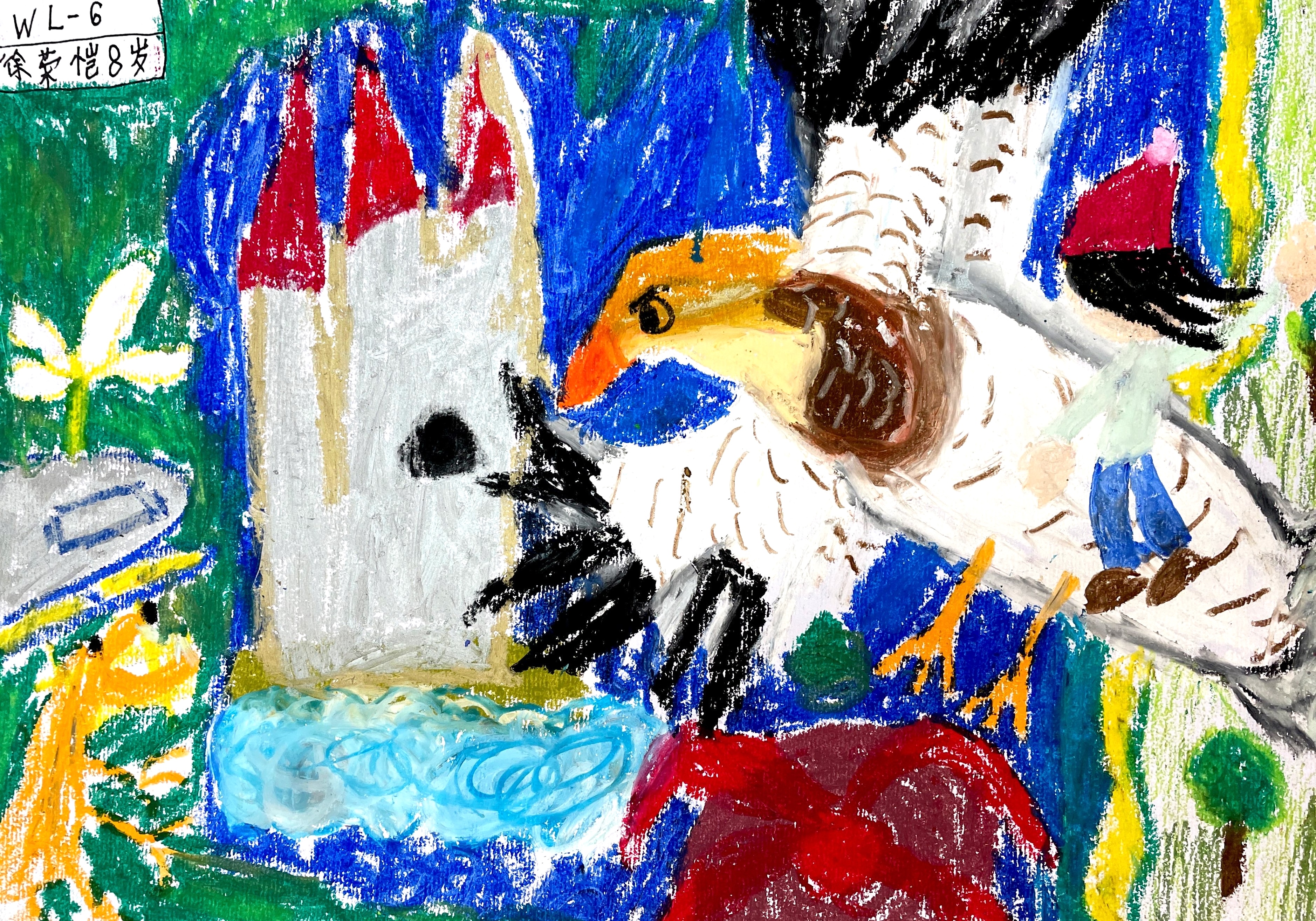
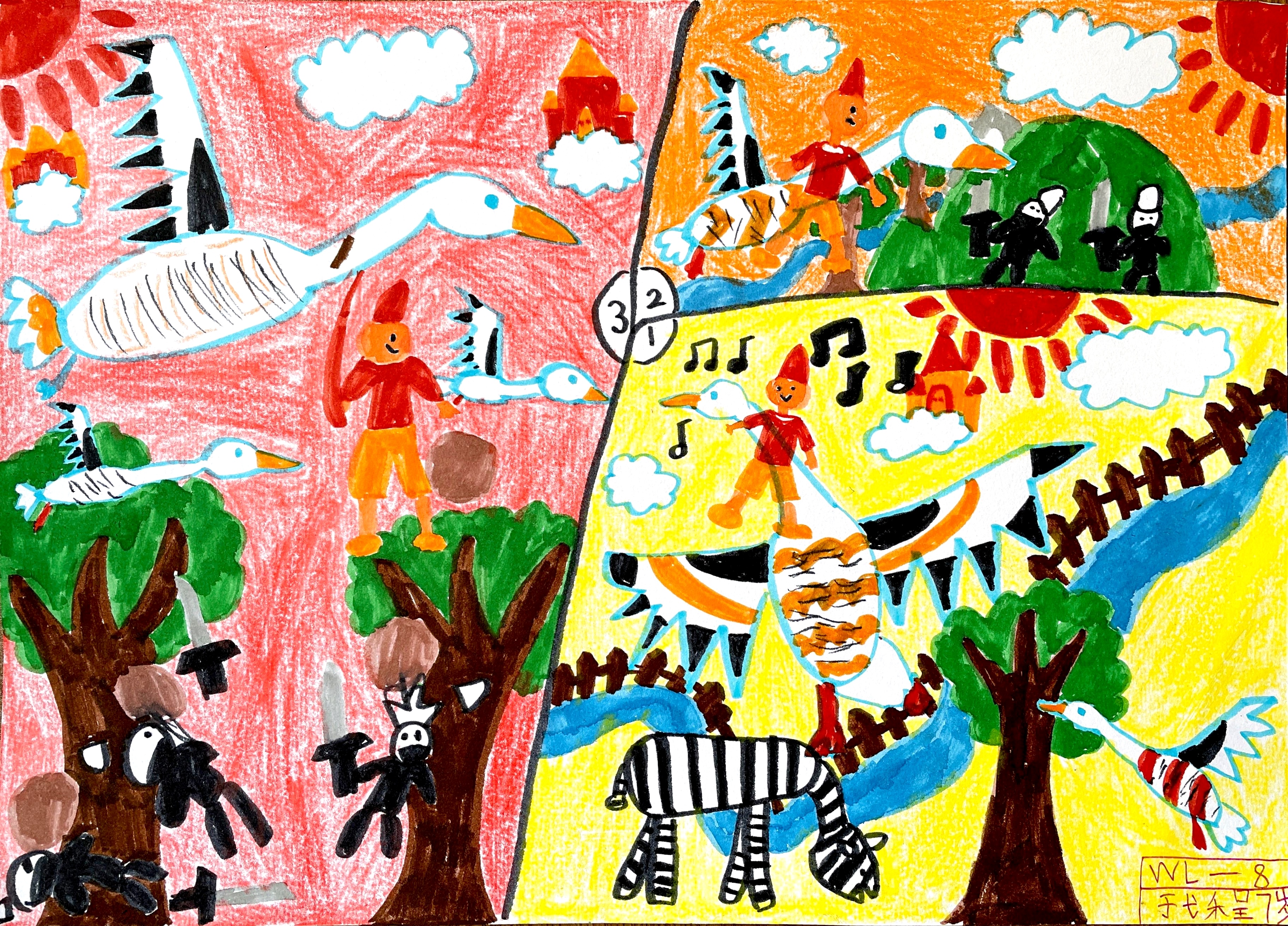
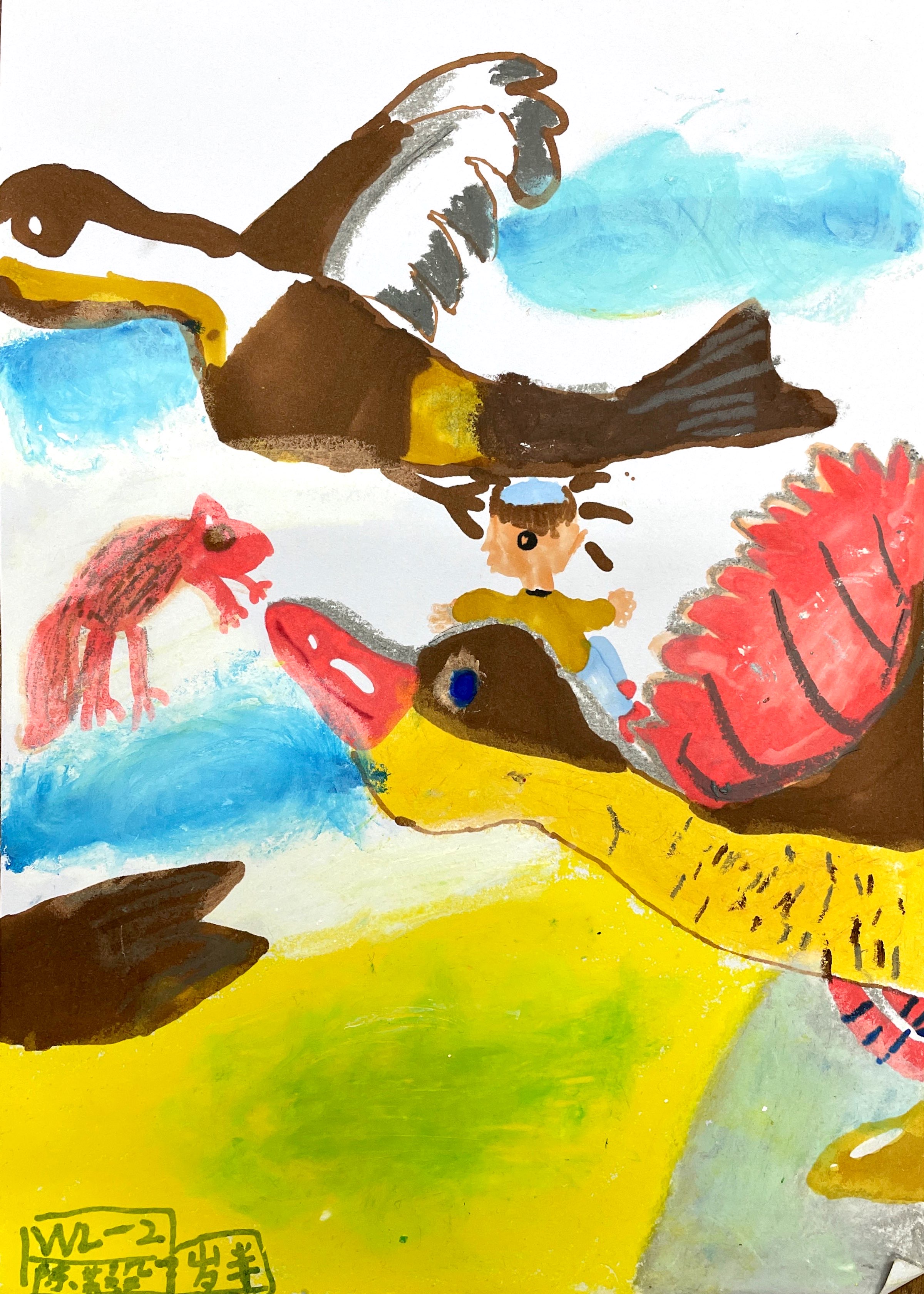
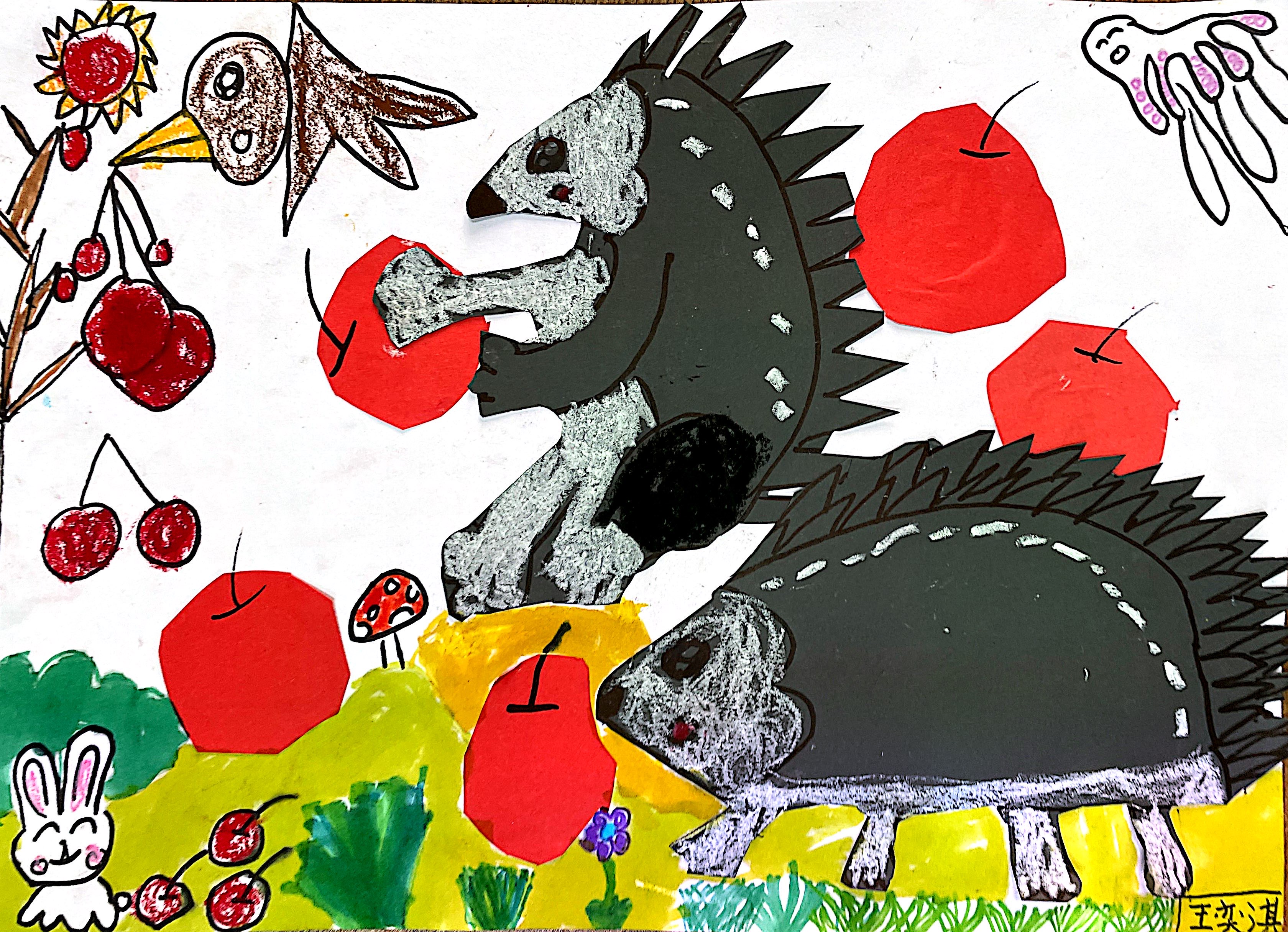
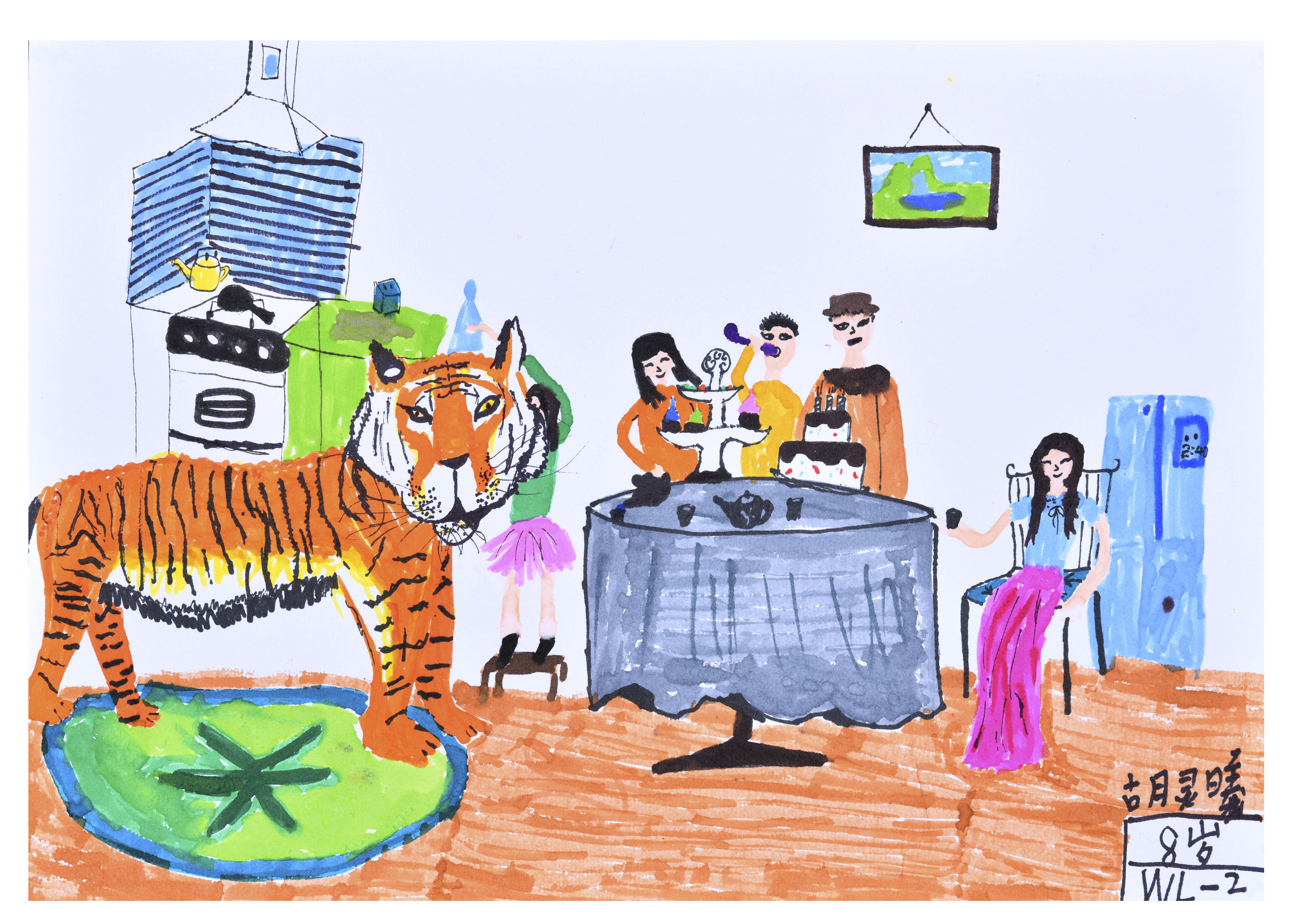

Story- based drawing
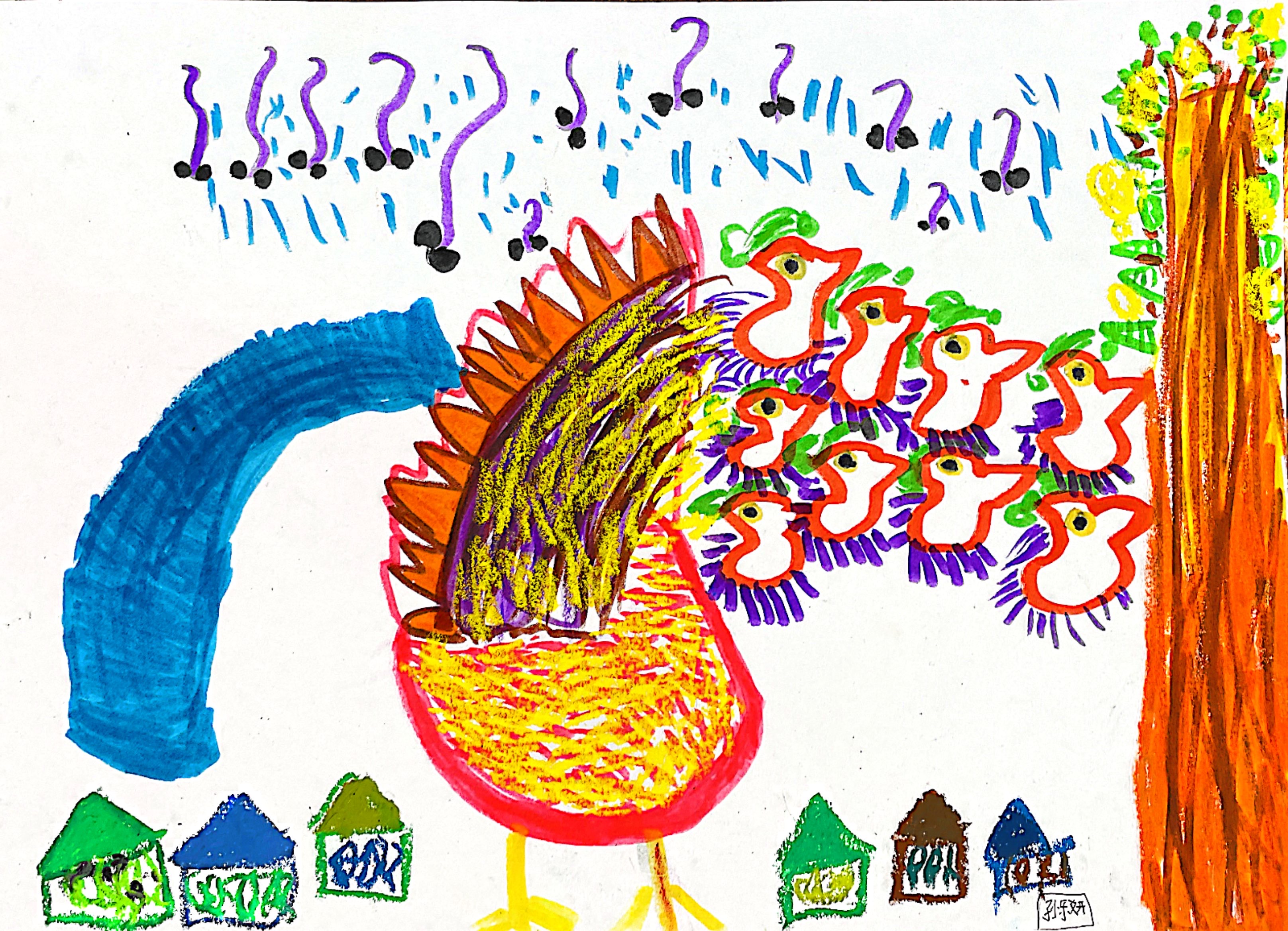
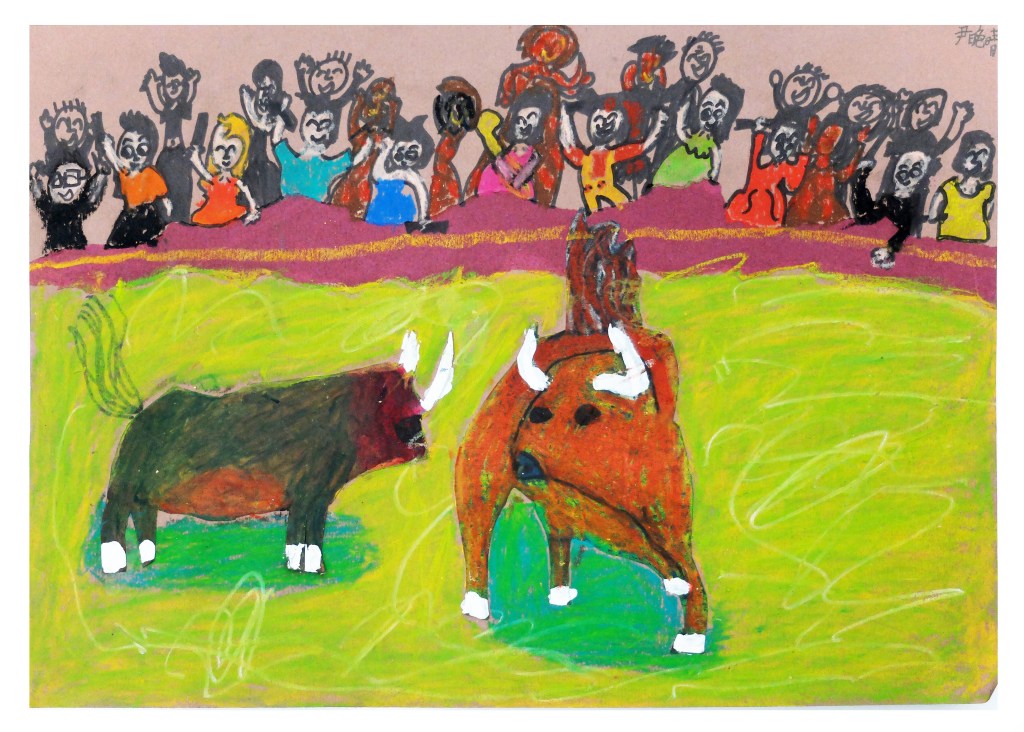
In this exhibition, students engage in story-based drawing—an artmaking process that invites them to transform personal memories, dreams, and daily experiences into visual narratives. Each artwork tells a story, whether it is a moment of joy, a scene from nature, or an imagined world filled with emotion and meaning. Through drawing, students learn to weave images and stories together, discovering how visual art can express feelings that words alone cannot capture.
This creative process nurtures empathy, reflection, and confidence, encouraging young artists to see themselves as storytellers who shape their own worlds through lines, colors, and imagination.

Cultural Dialogues Through Art
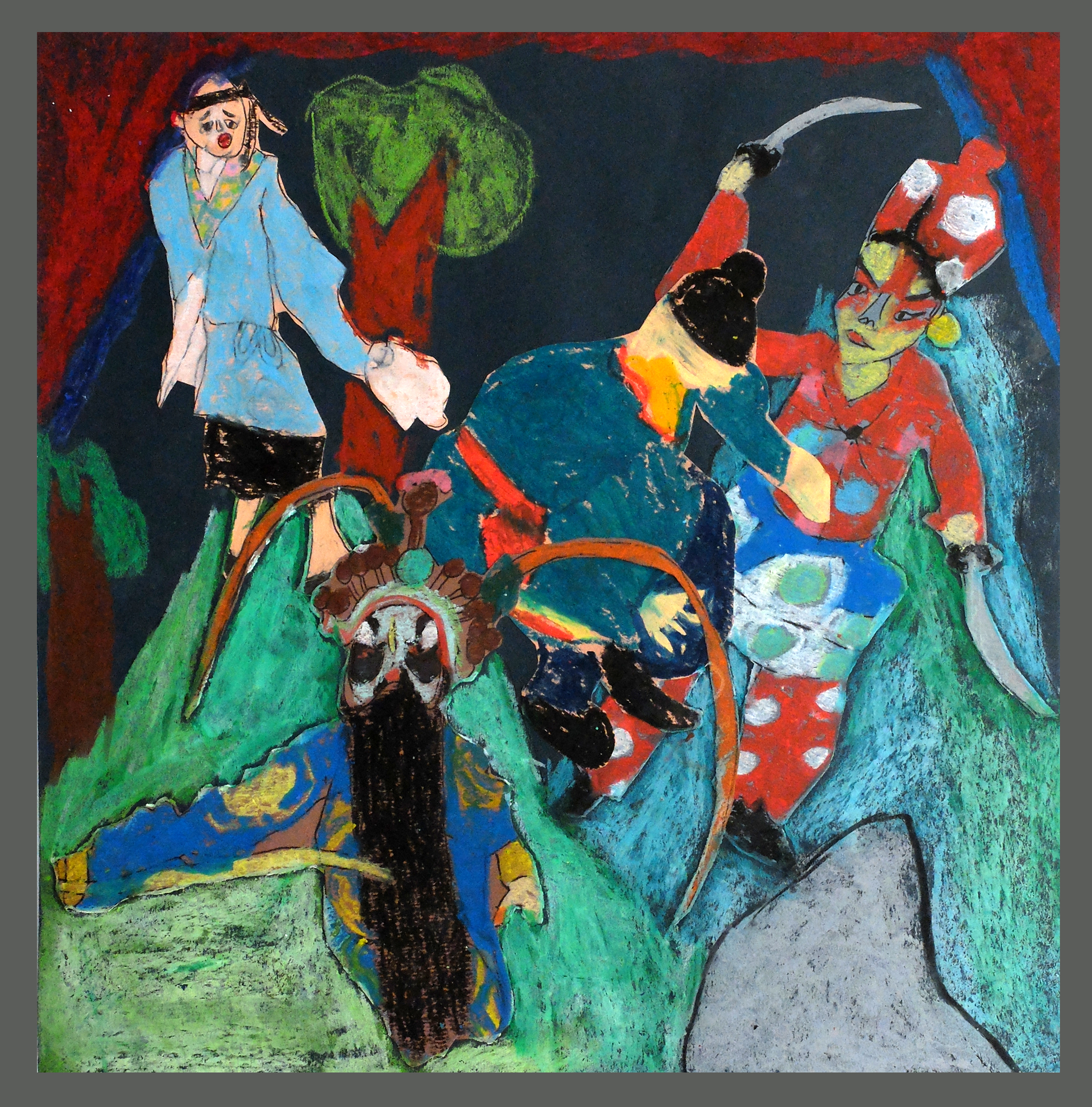
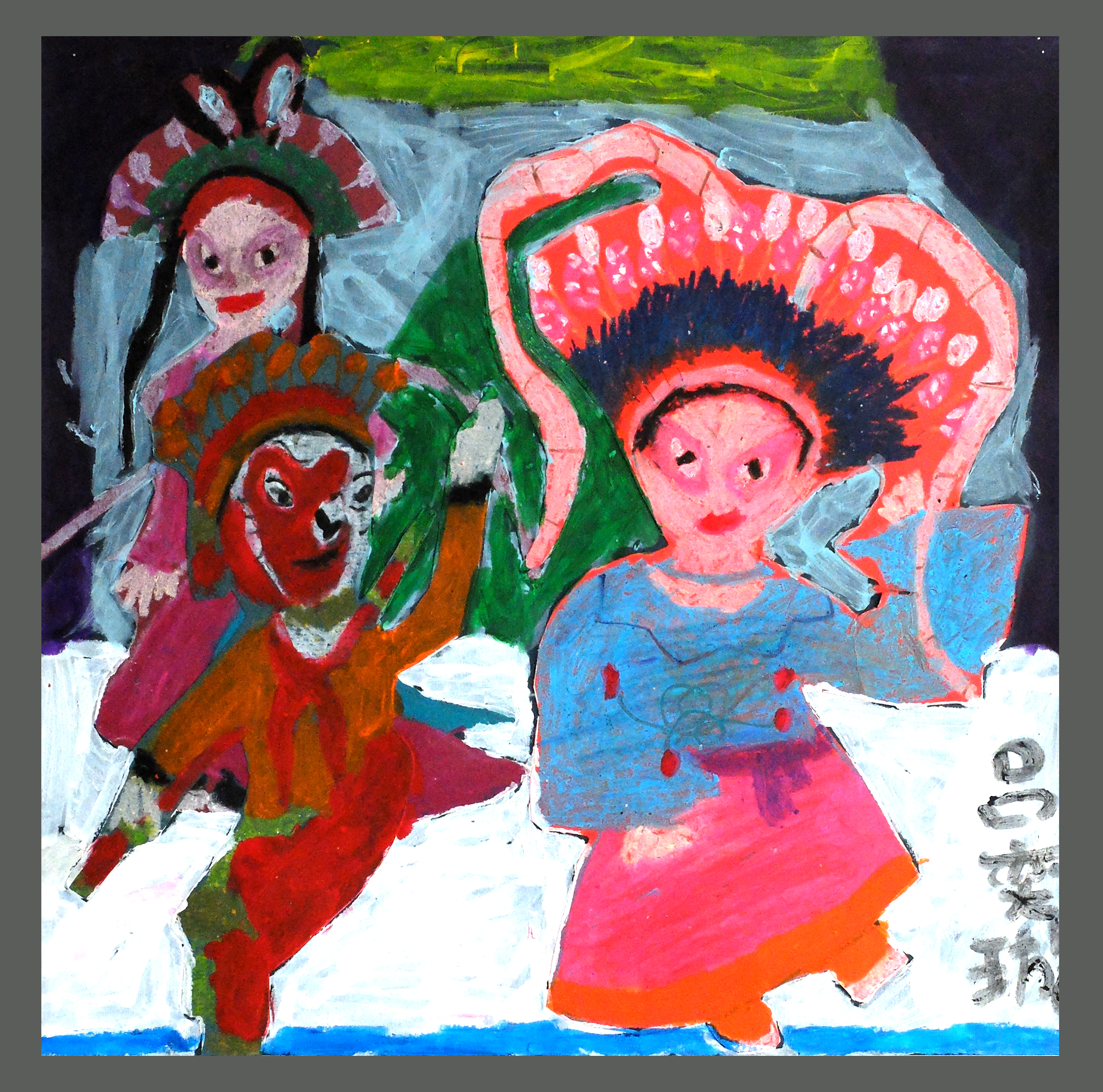
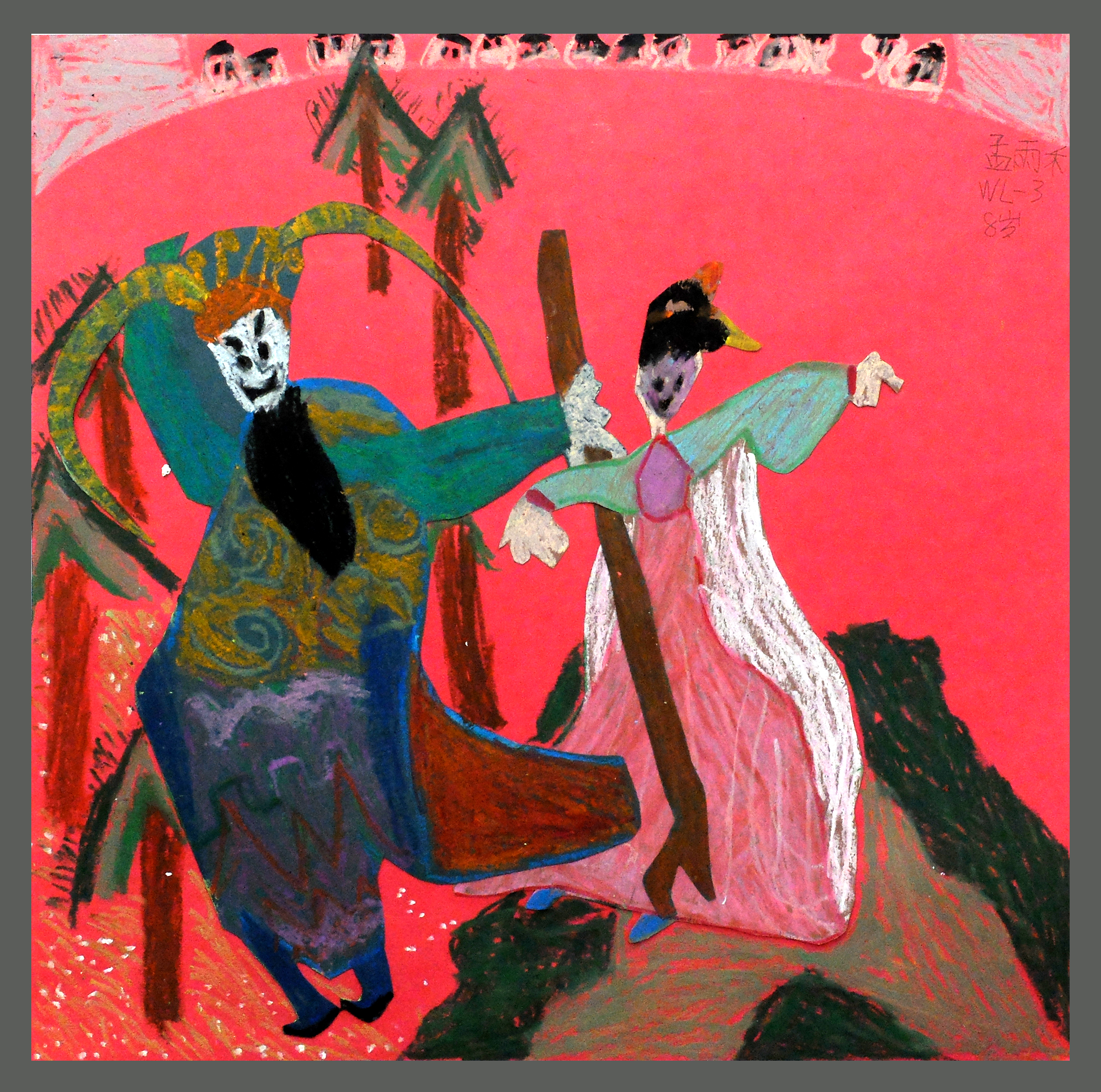
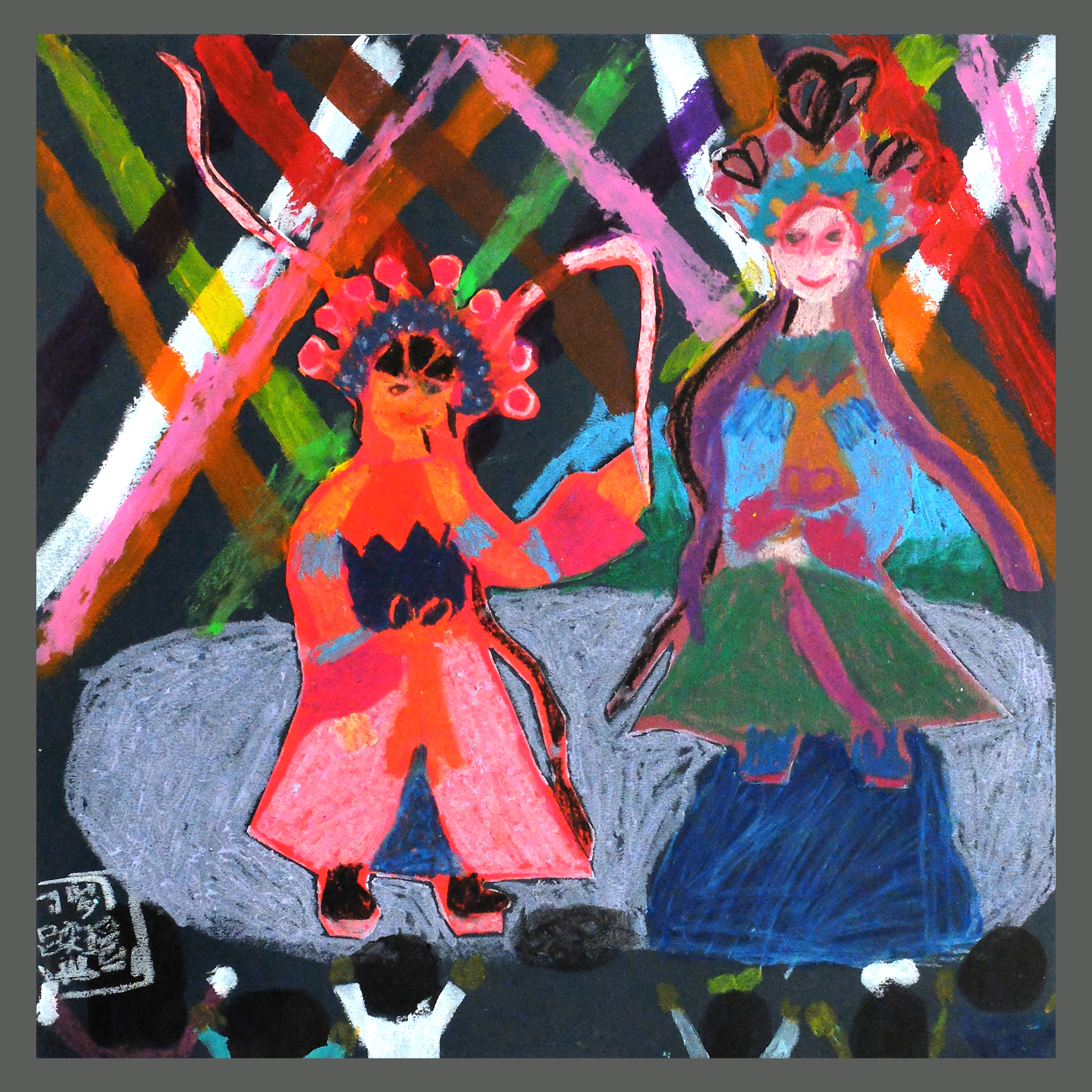
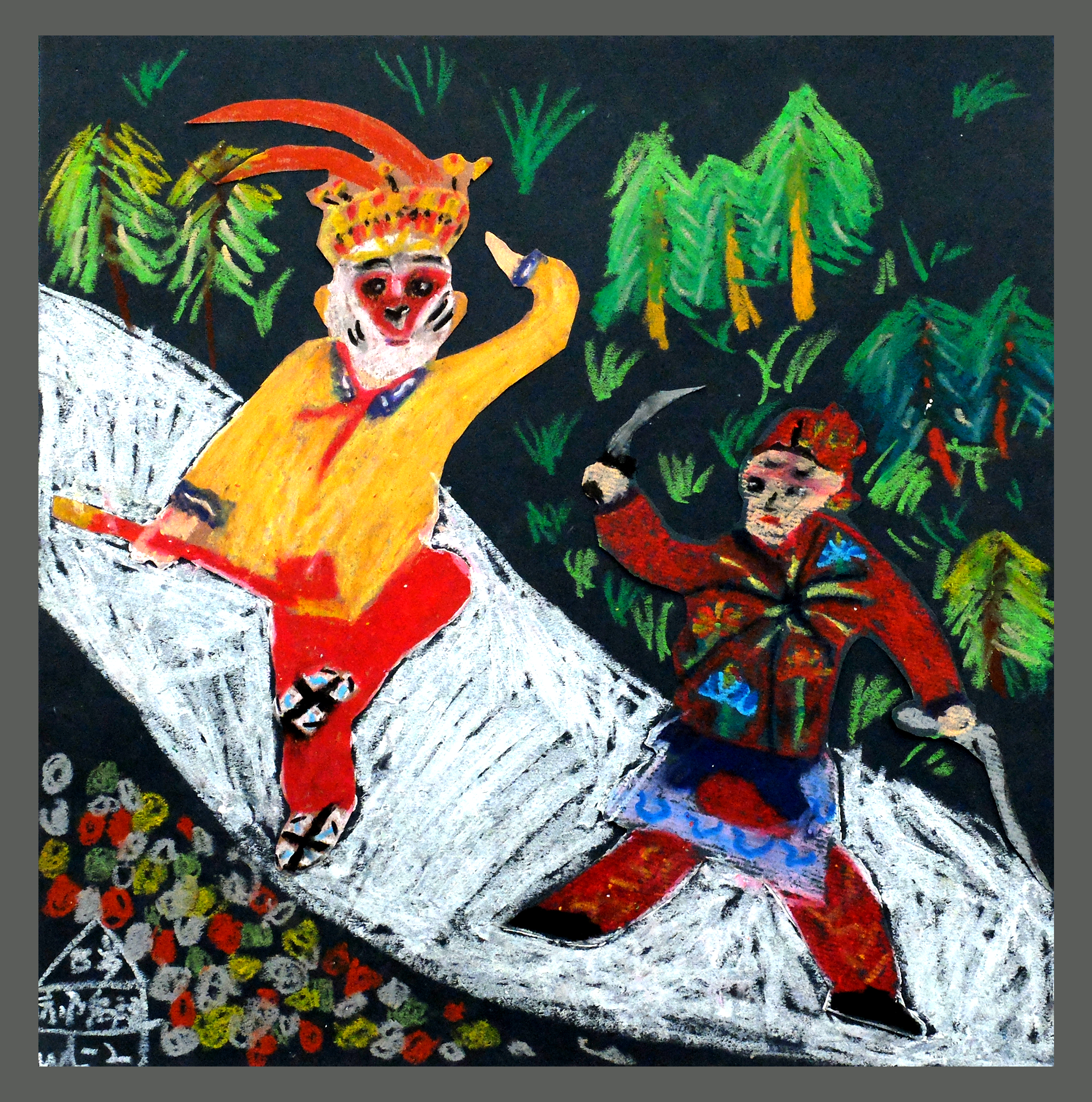
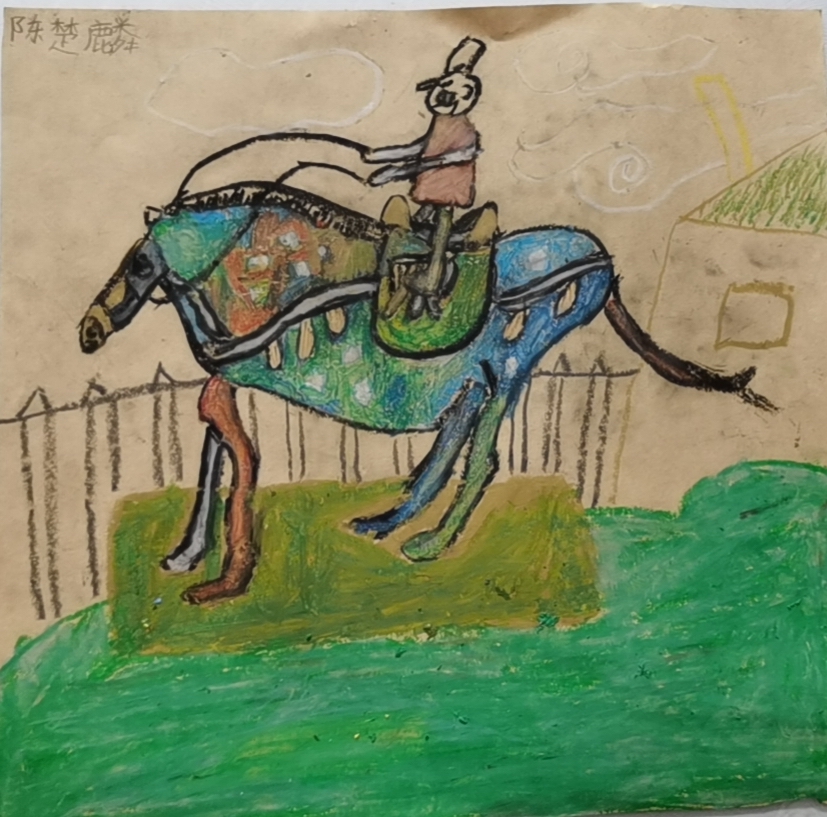
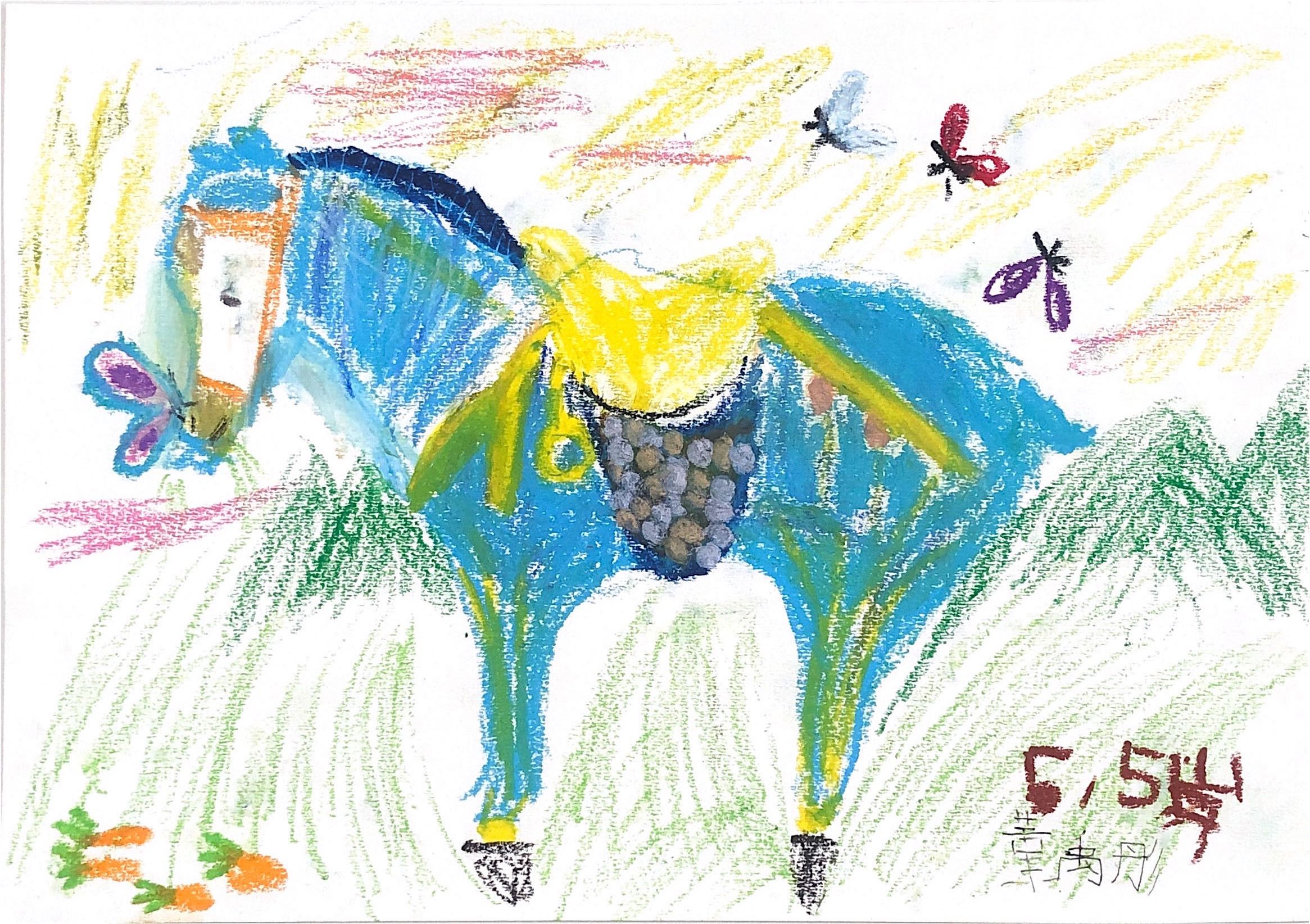
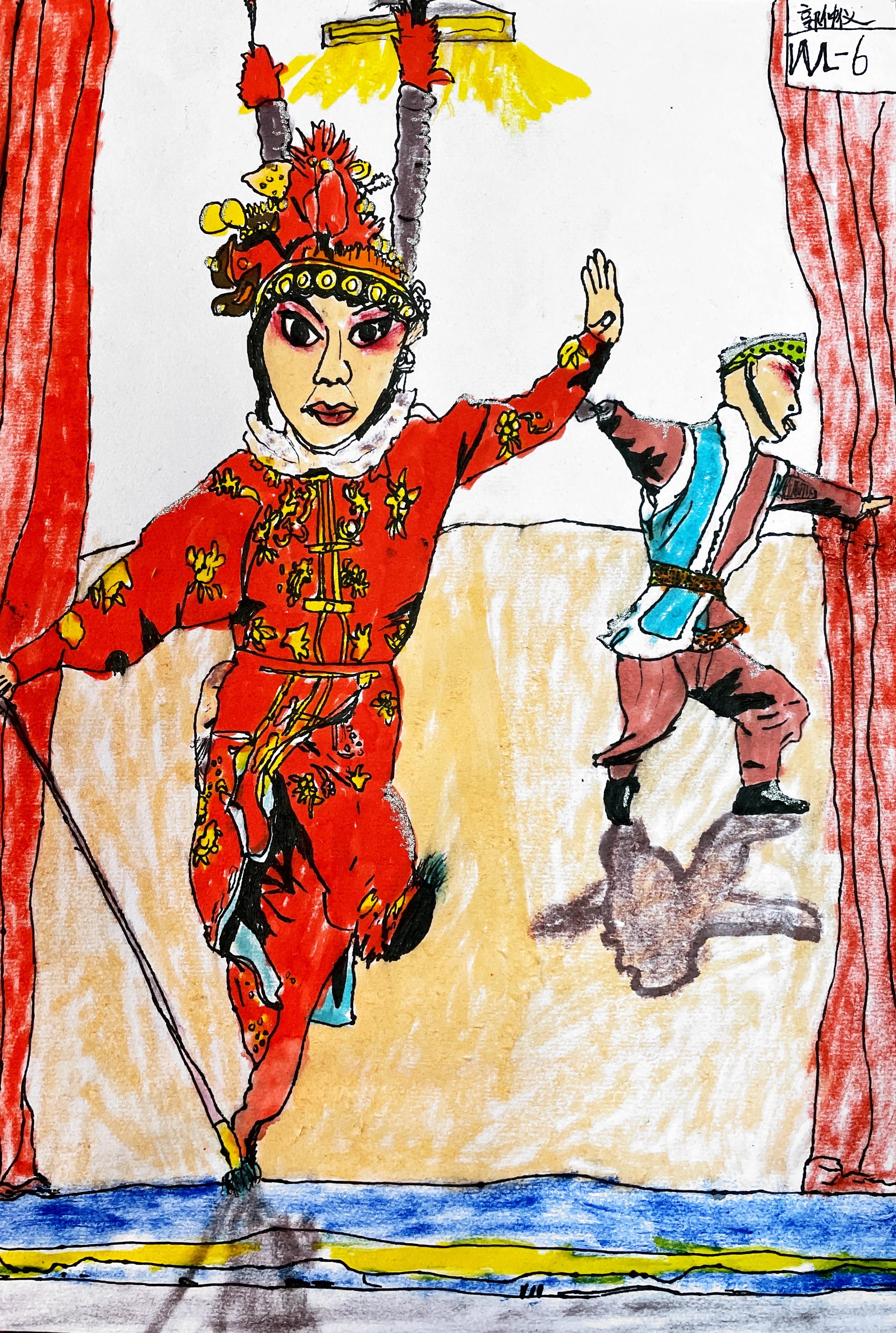
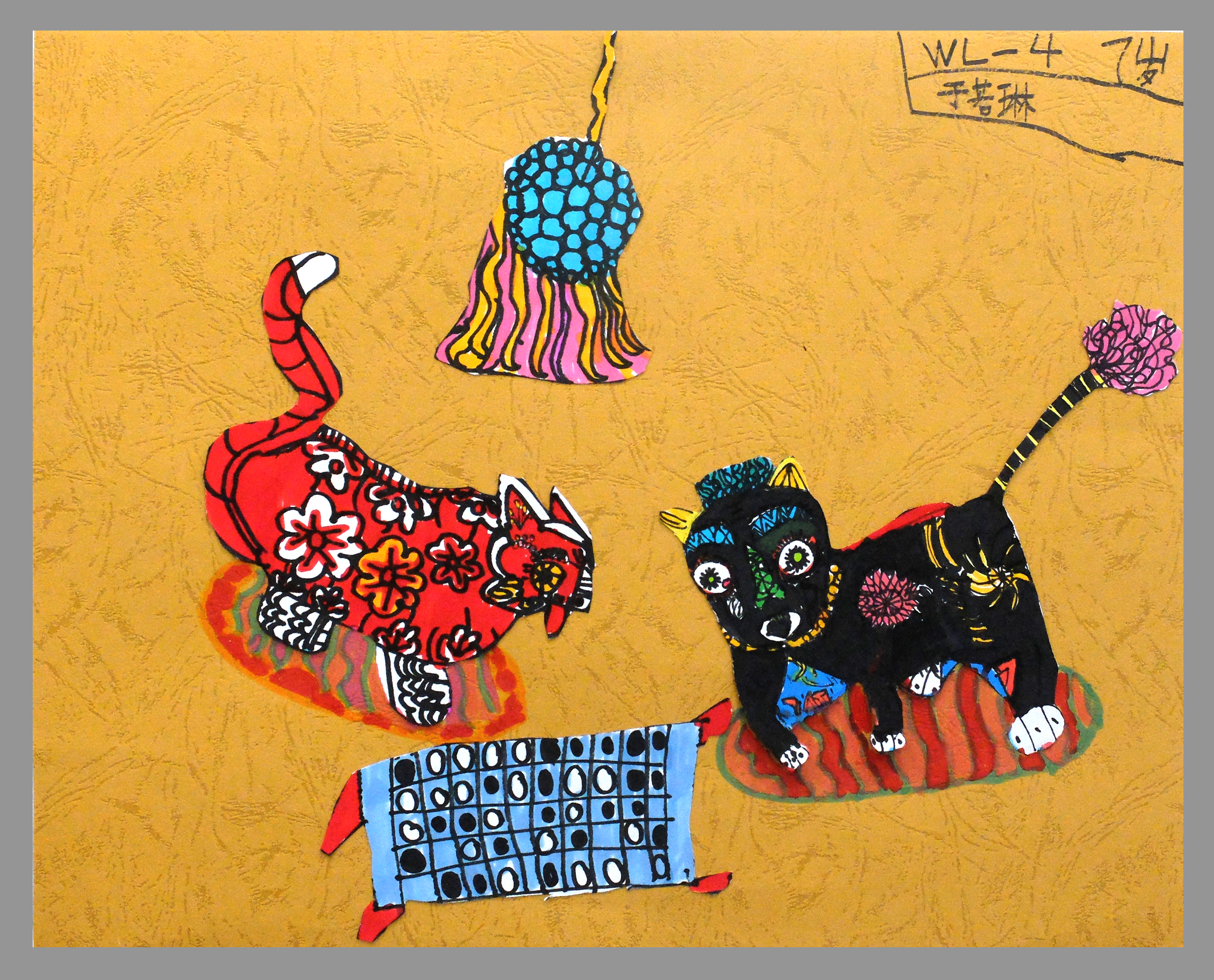
In this project, students explore the beauty and meaning of China’s material cultural heritage — from the vivid glaze of Tang Sancai pottery to the expressive gestures and costumes of traditional Chinese opera. By learning the stories, symbols, and craftsmanship behind these art forms, they begin to understand how history breathes through colors, patterns, and movement. Students are encouraged to connect these traditions with their own lives — to reinterpret the spirit of heritage through painting, collage, and mixed media. In doing so, they not only express creativity, but also build a personal bridge between the past and the present, letting culture live anew in their art.
Exploring Color Perception
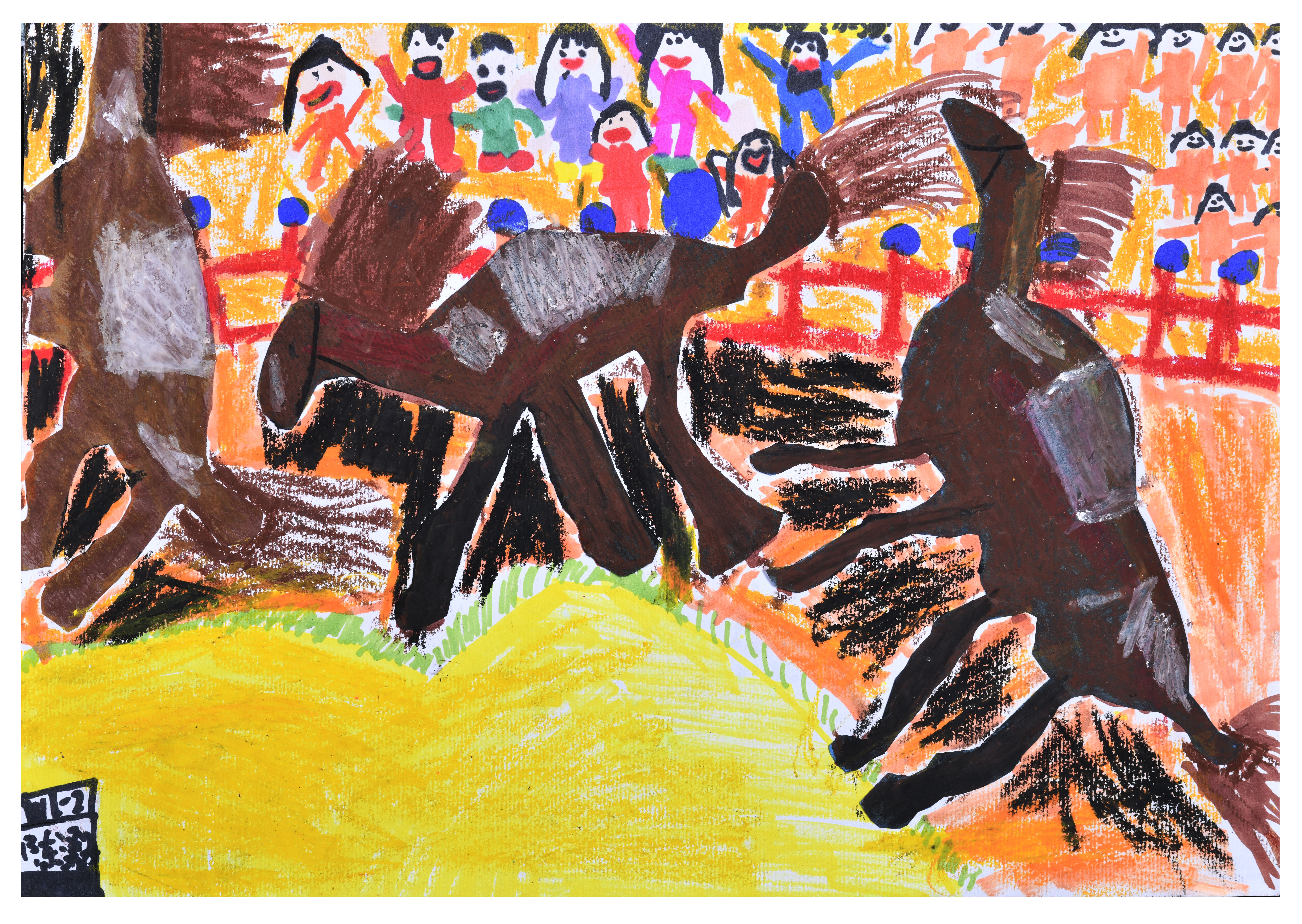
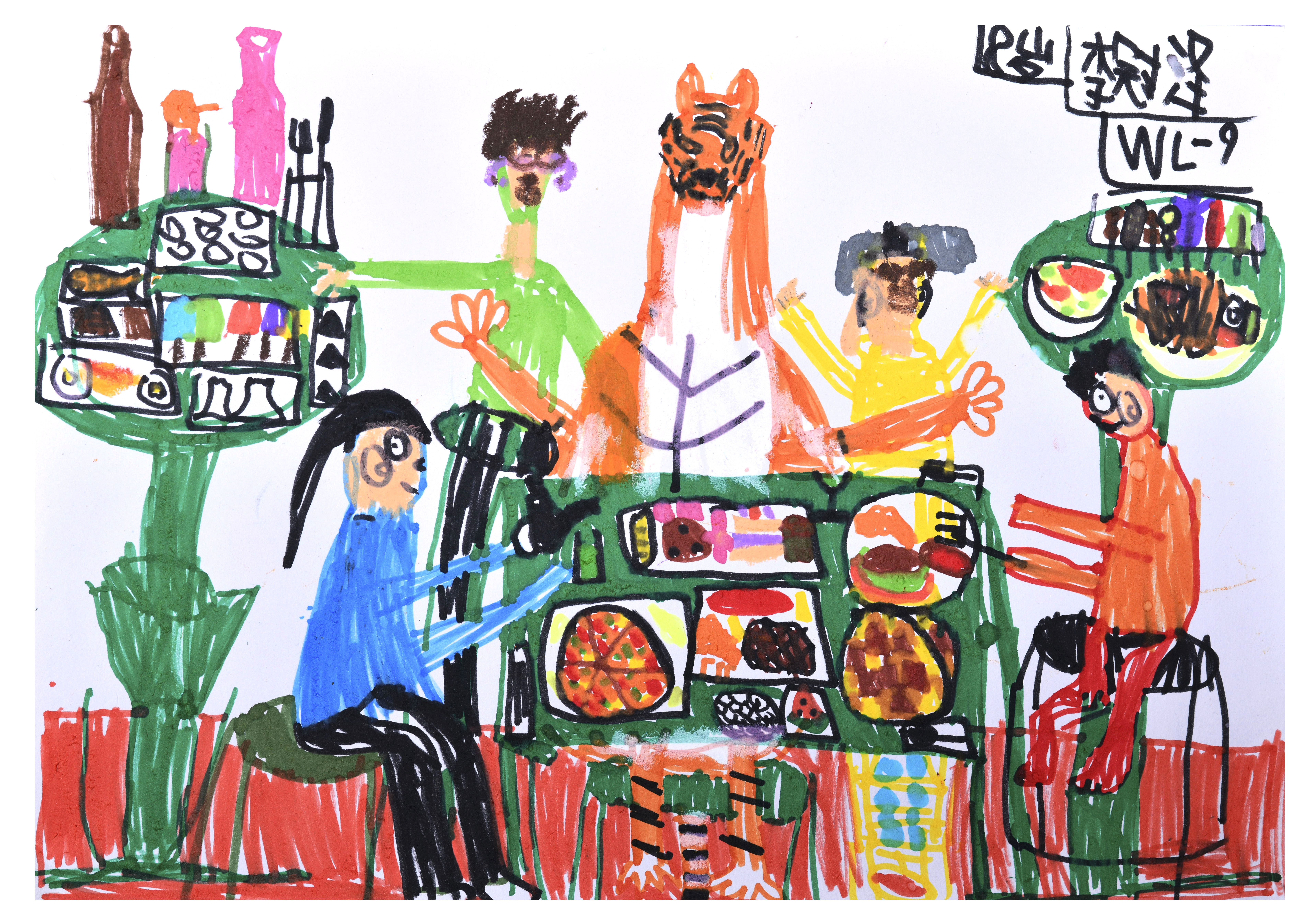
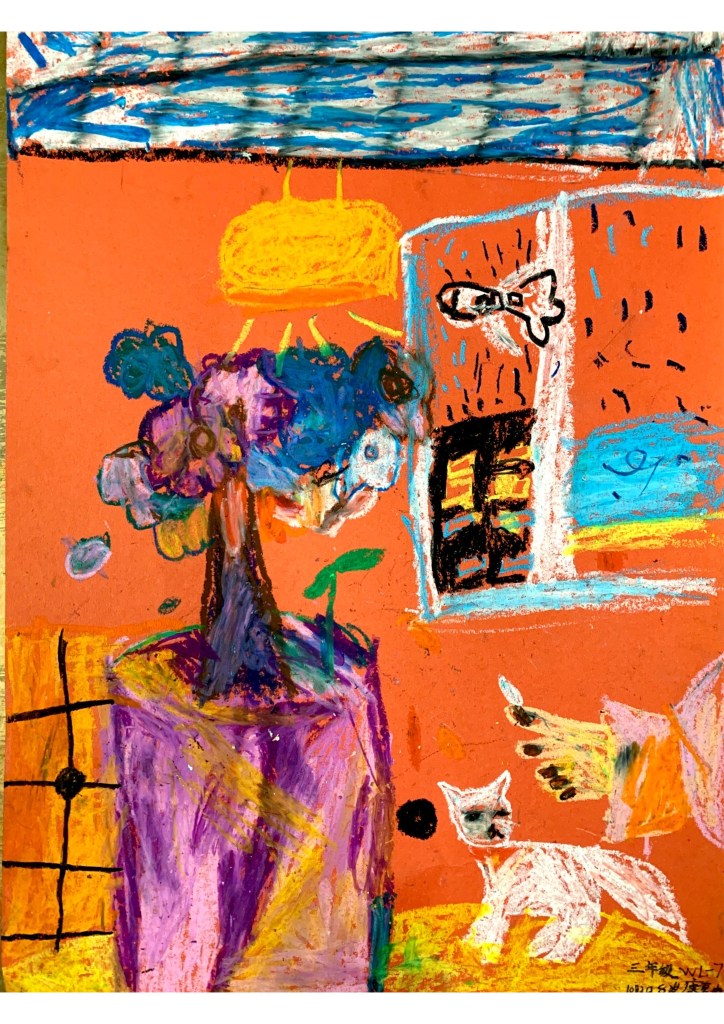
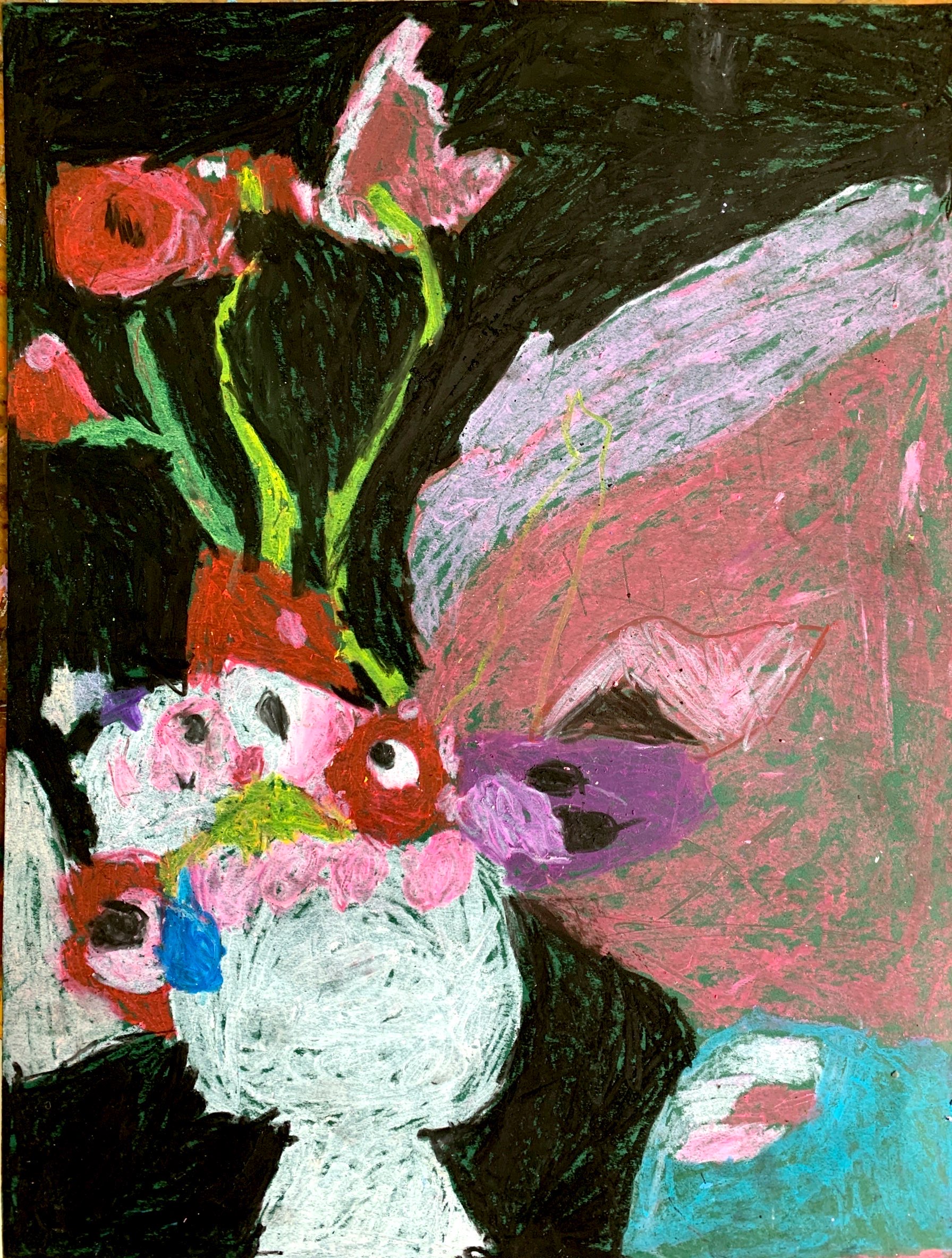
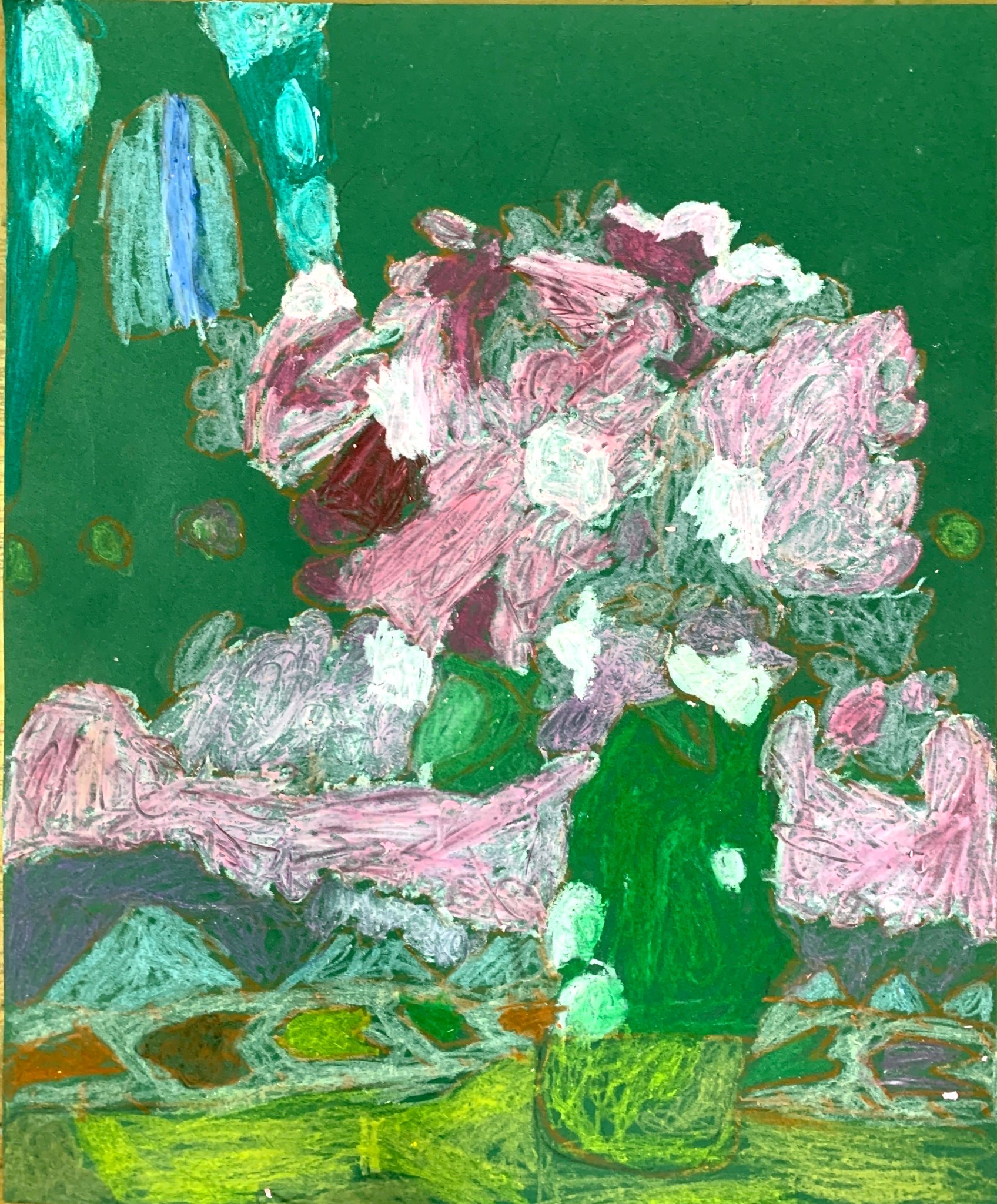
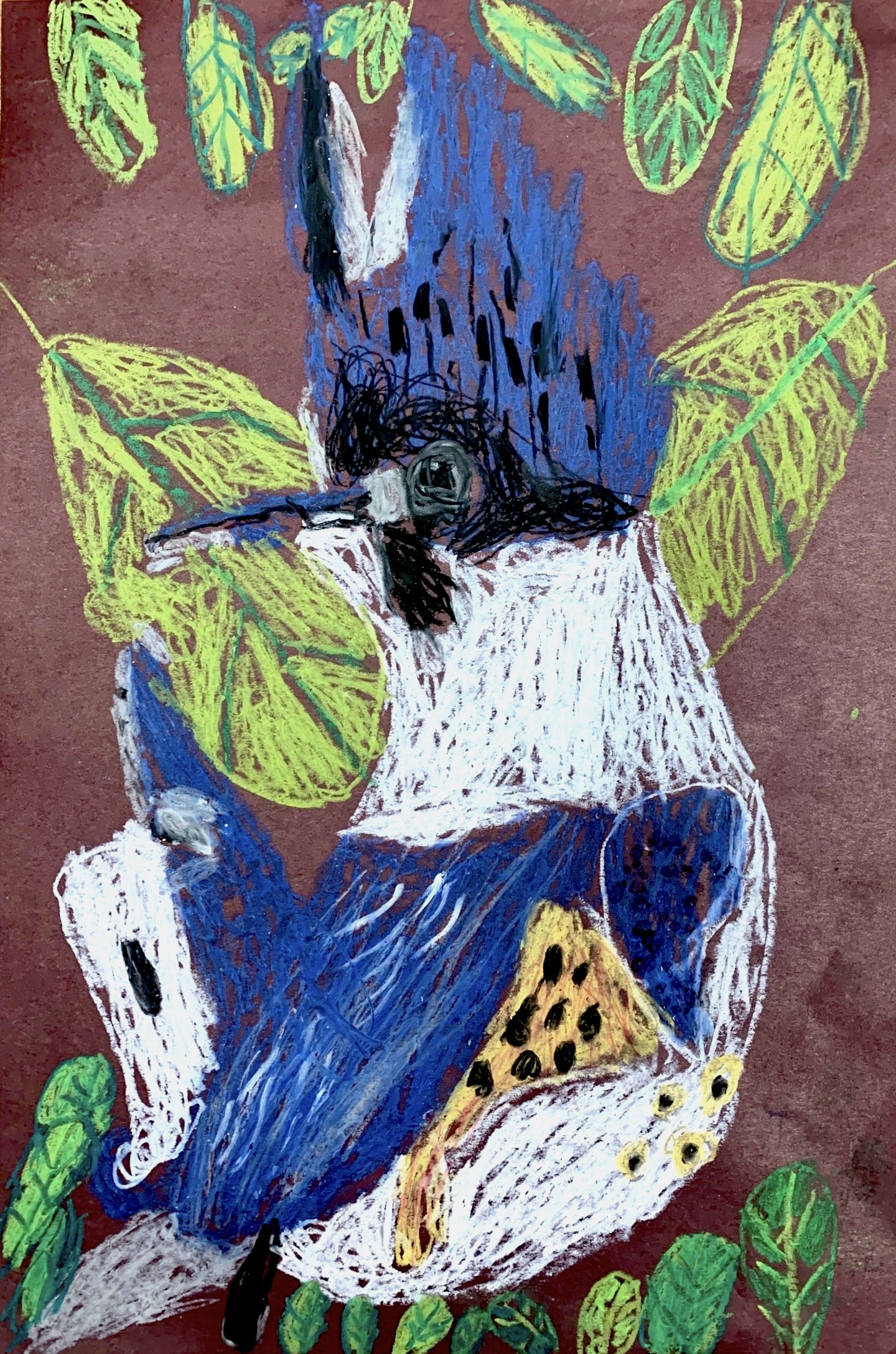
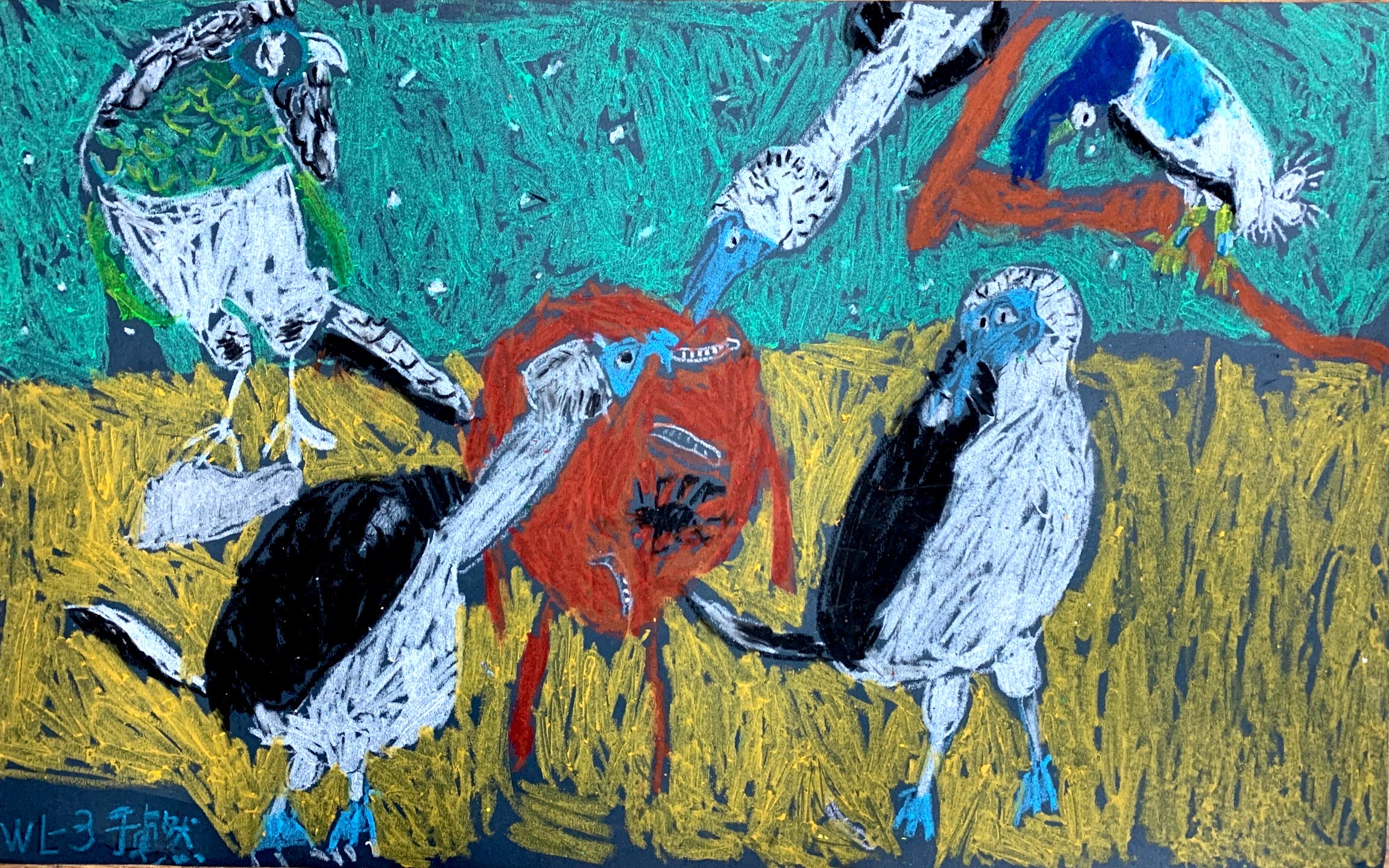
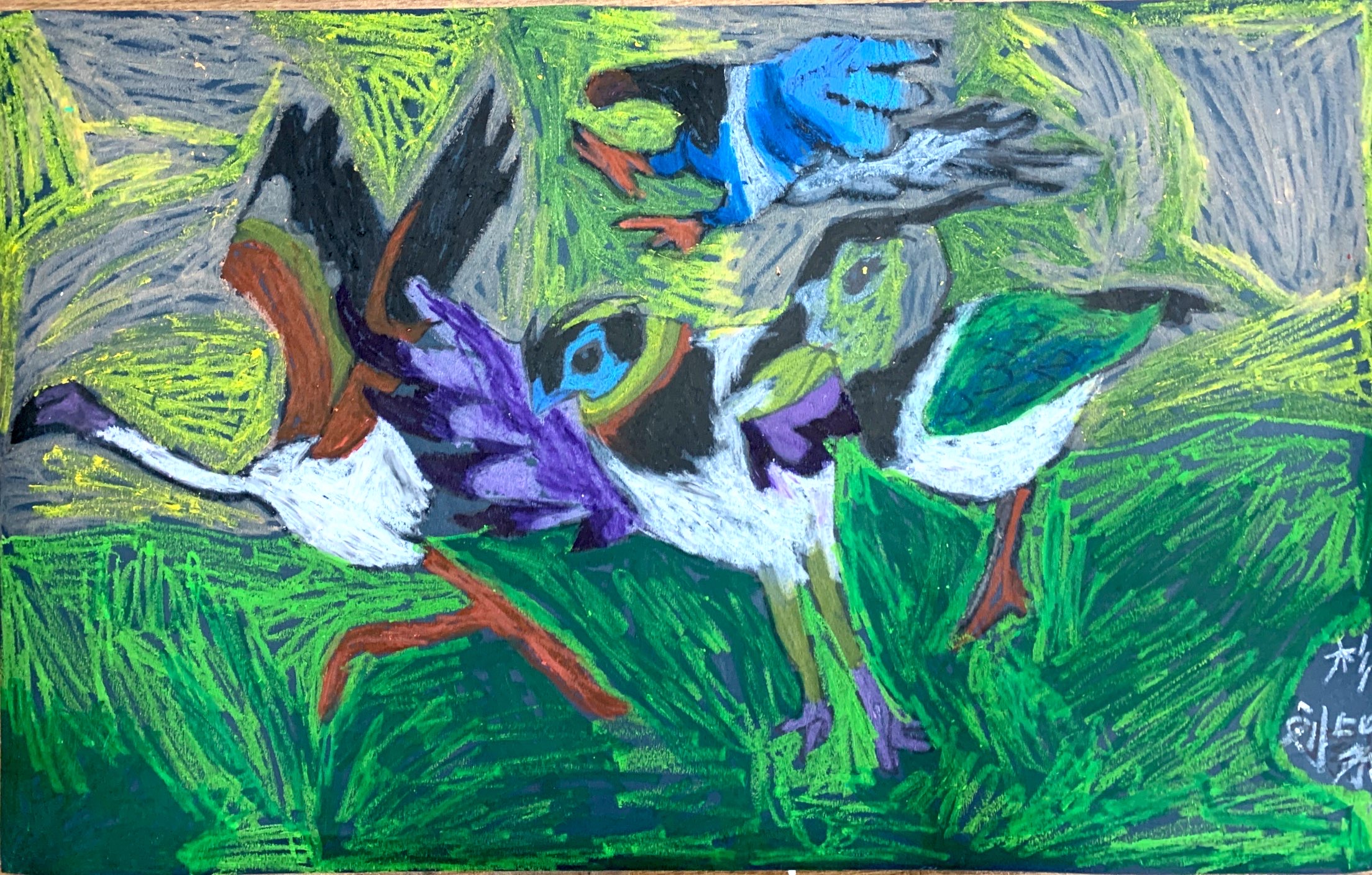
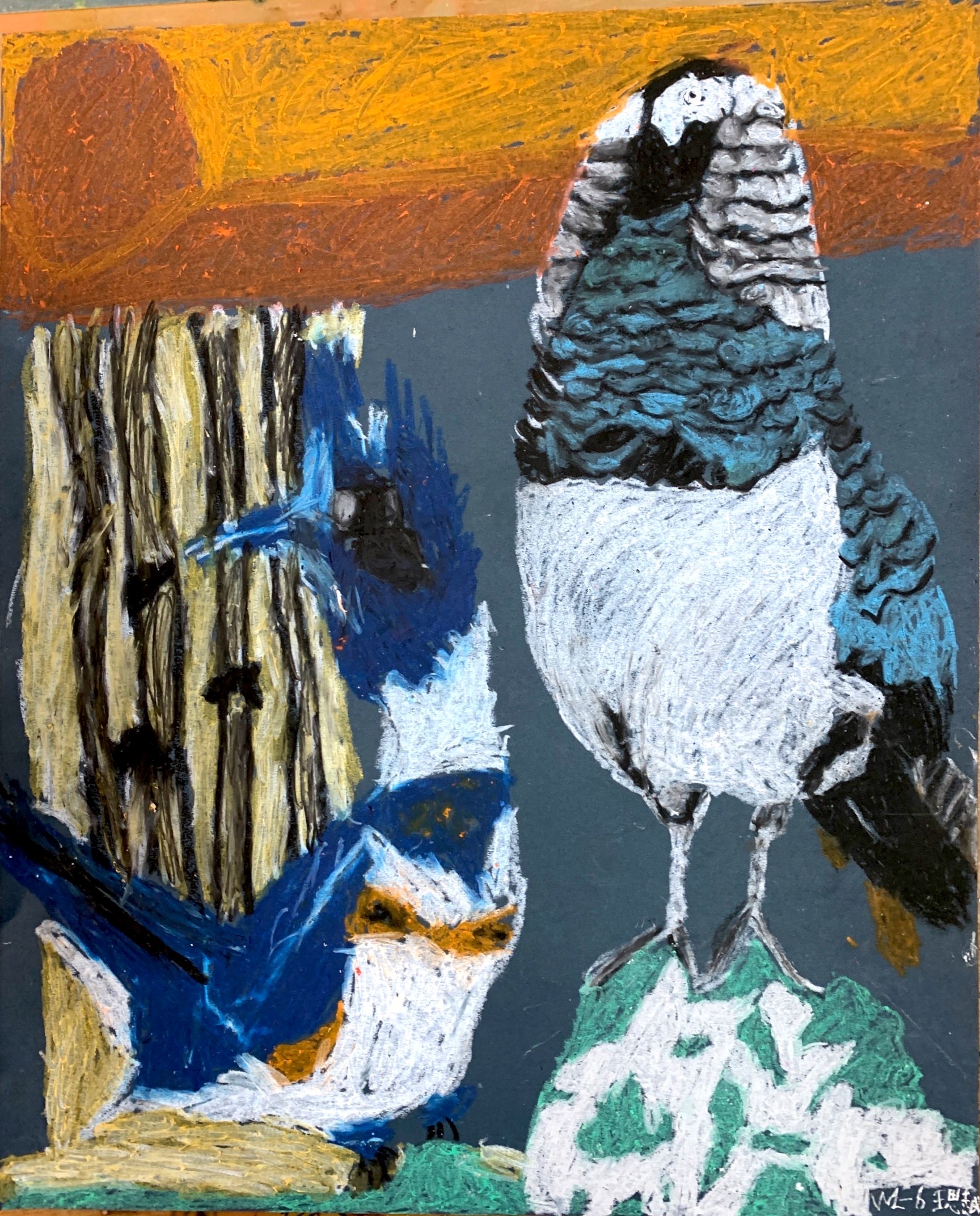
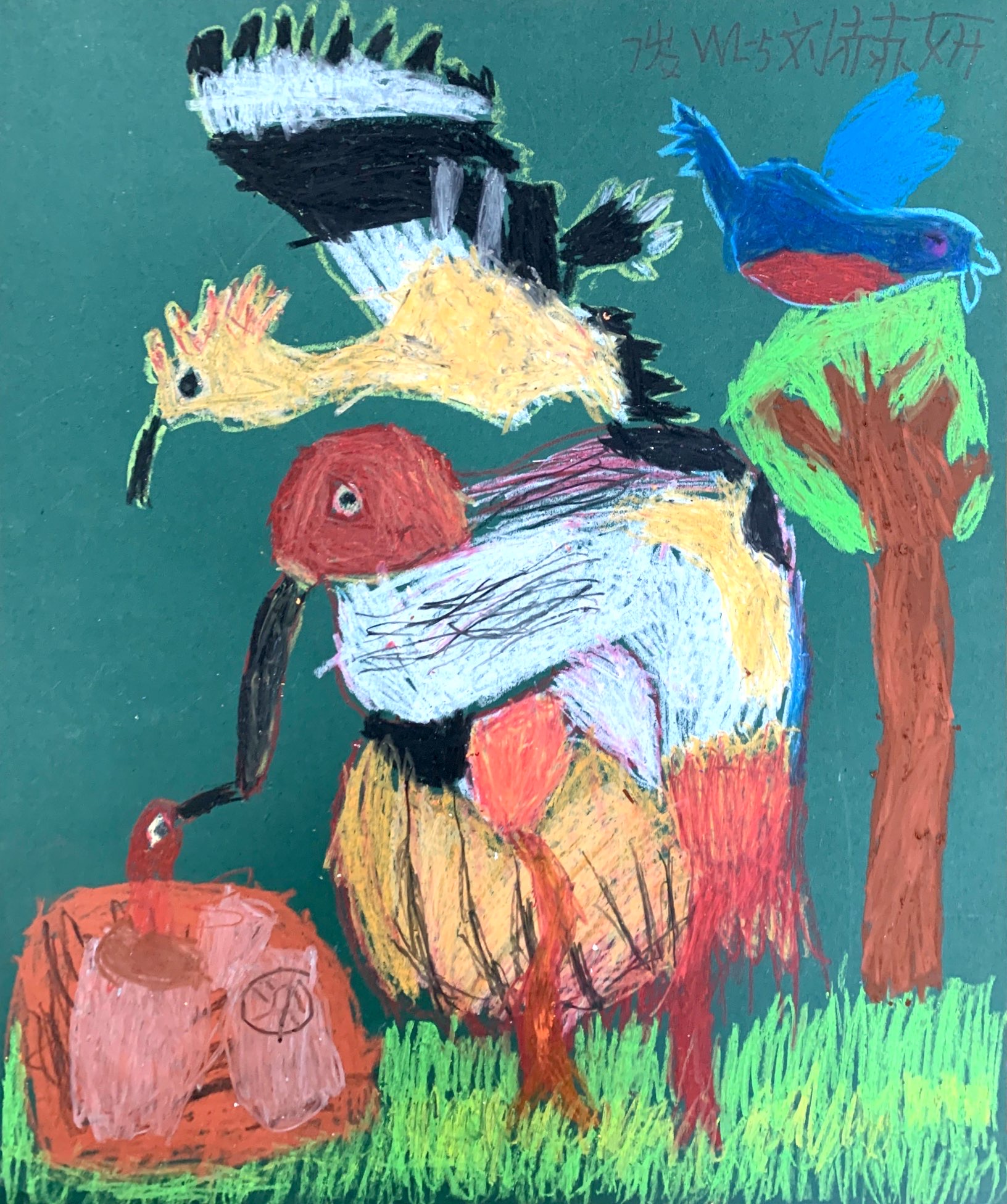
Children are natural explorers of color. Through oil pastels, crayons, and other expressive materials, they can see colors with their eyes, feel them with their hearts, and discover endless possibilities on paper. In our color perception practice, we encourage children to observe how colors change under light, how warm and cool tones dance together, and how their emotions can shape new worlds of imagination. Every stroke becomes a conversation between the child and color — a joyful journey of self-expression and discovery.
Growing Together: Exploring Parent-Child Connection Through Art
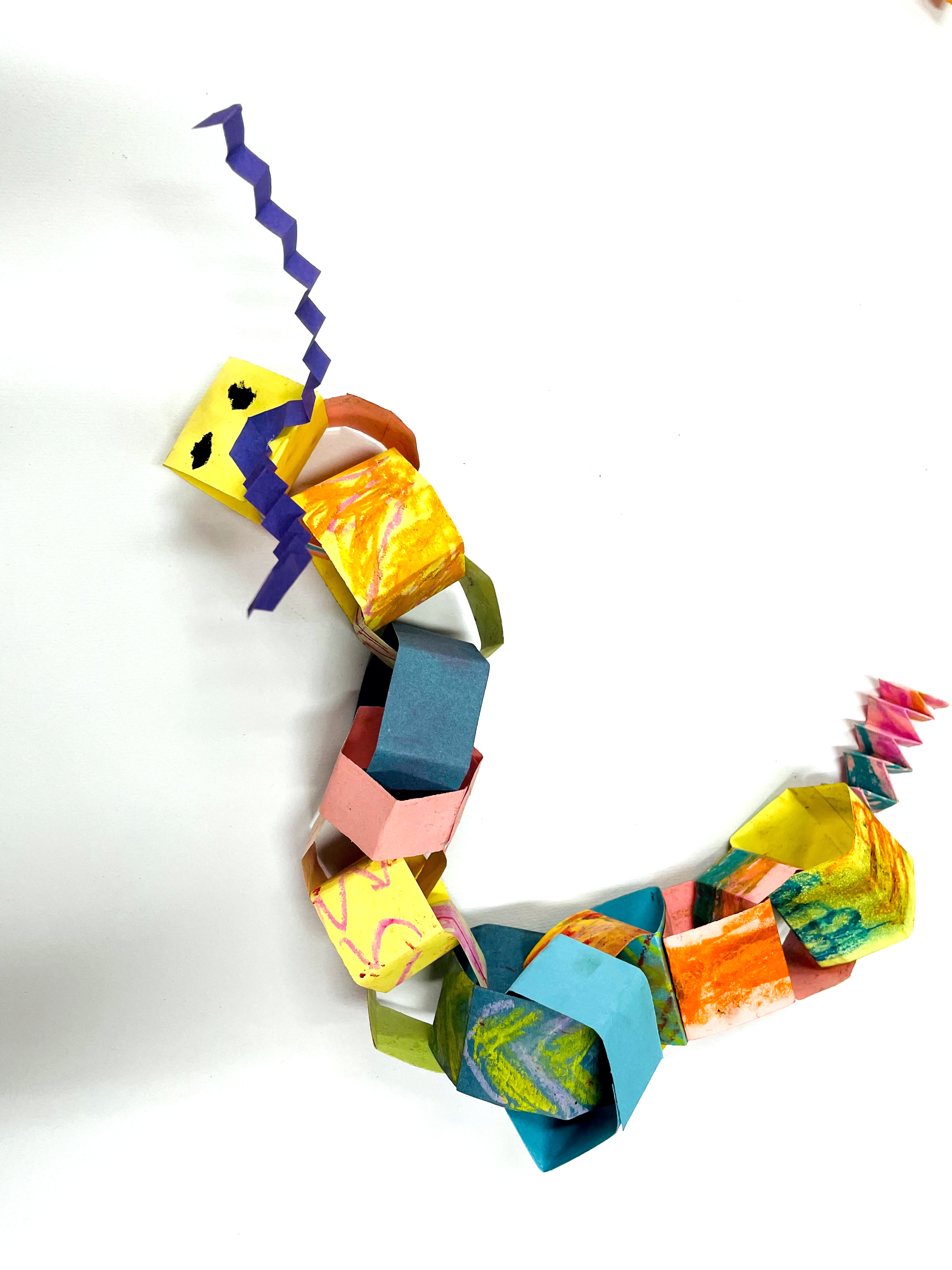
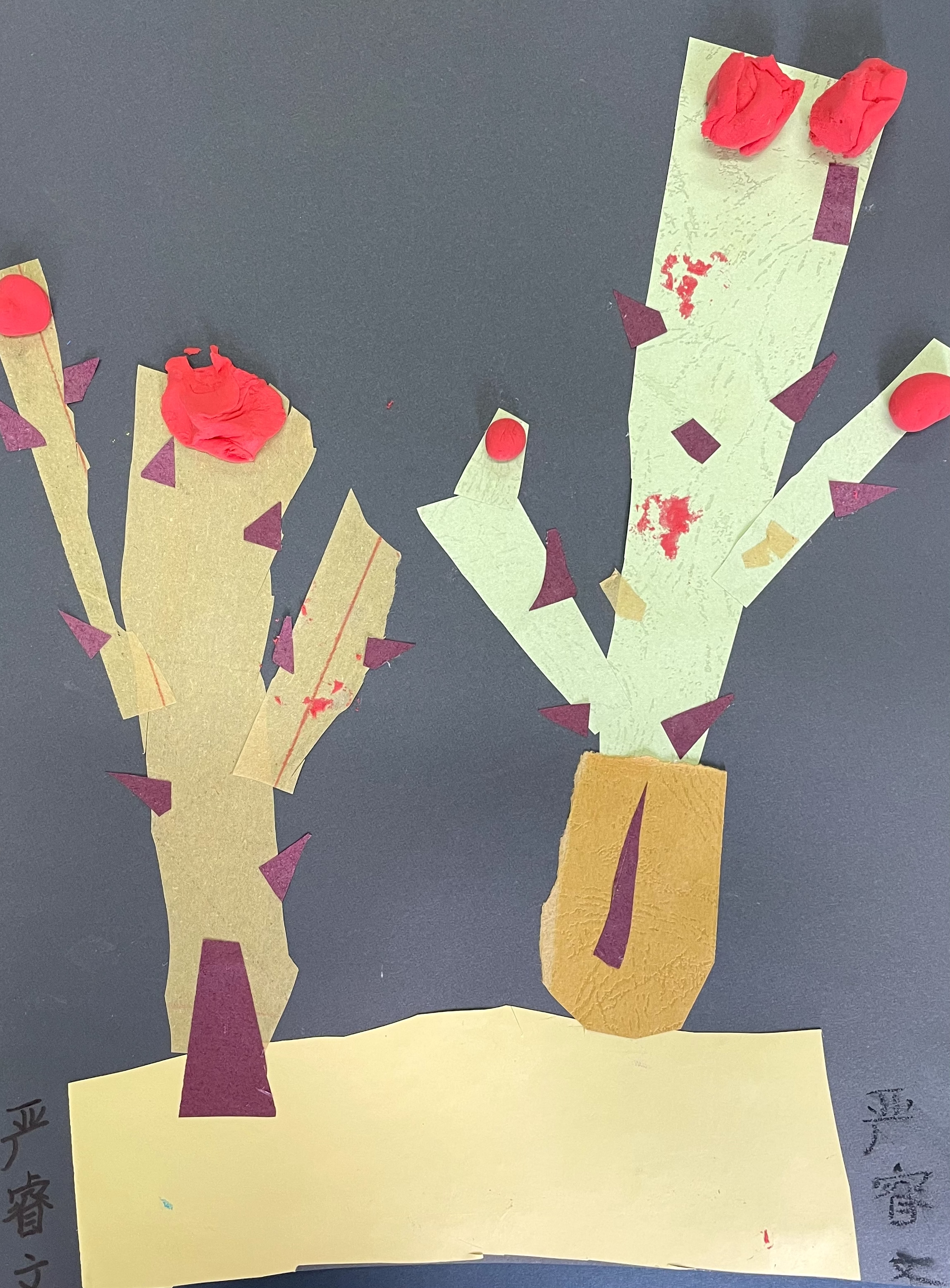
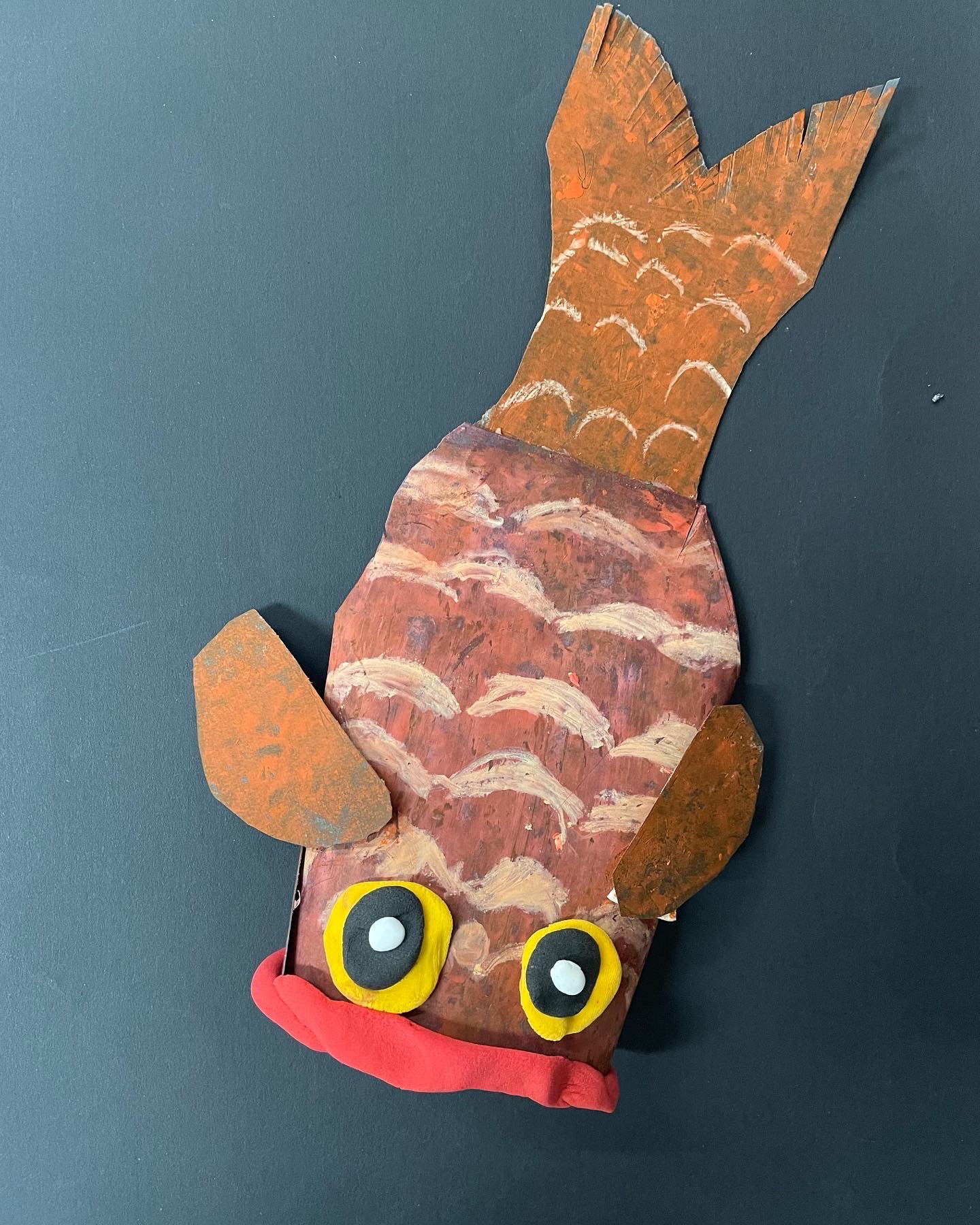
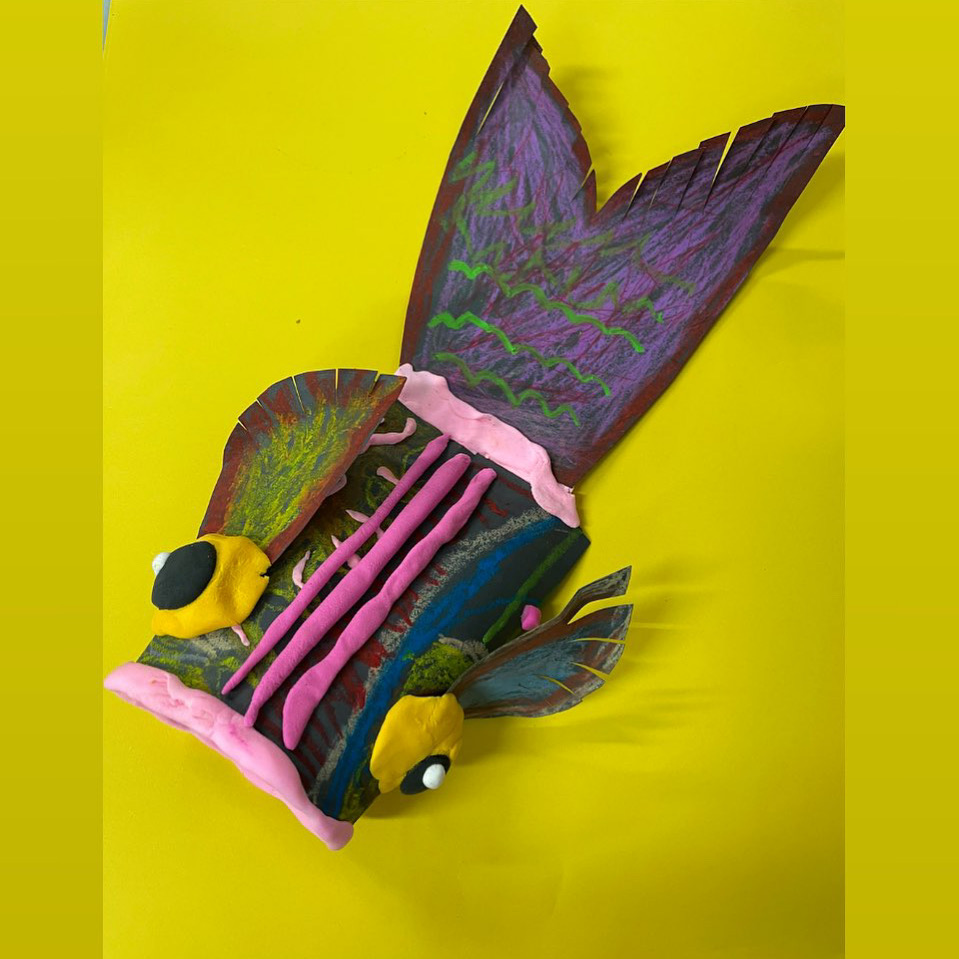
In this project, parents and children create art together, using colors, textures, and forms to weave invisible threads of connection. Through painting, collage, and tactile materials, they explore shared memories, emotions, and the simple joy of being together. Art becomes a language beyond words—a gentle way to listen, to understand, and to grow closer. In each brushstroke lies a moment of love; in each creation, a story of family unfolds.
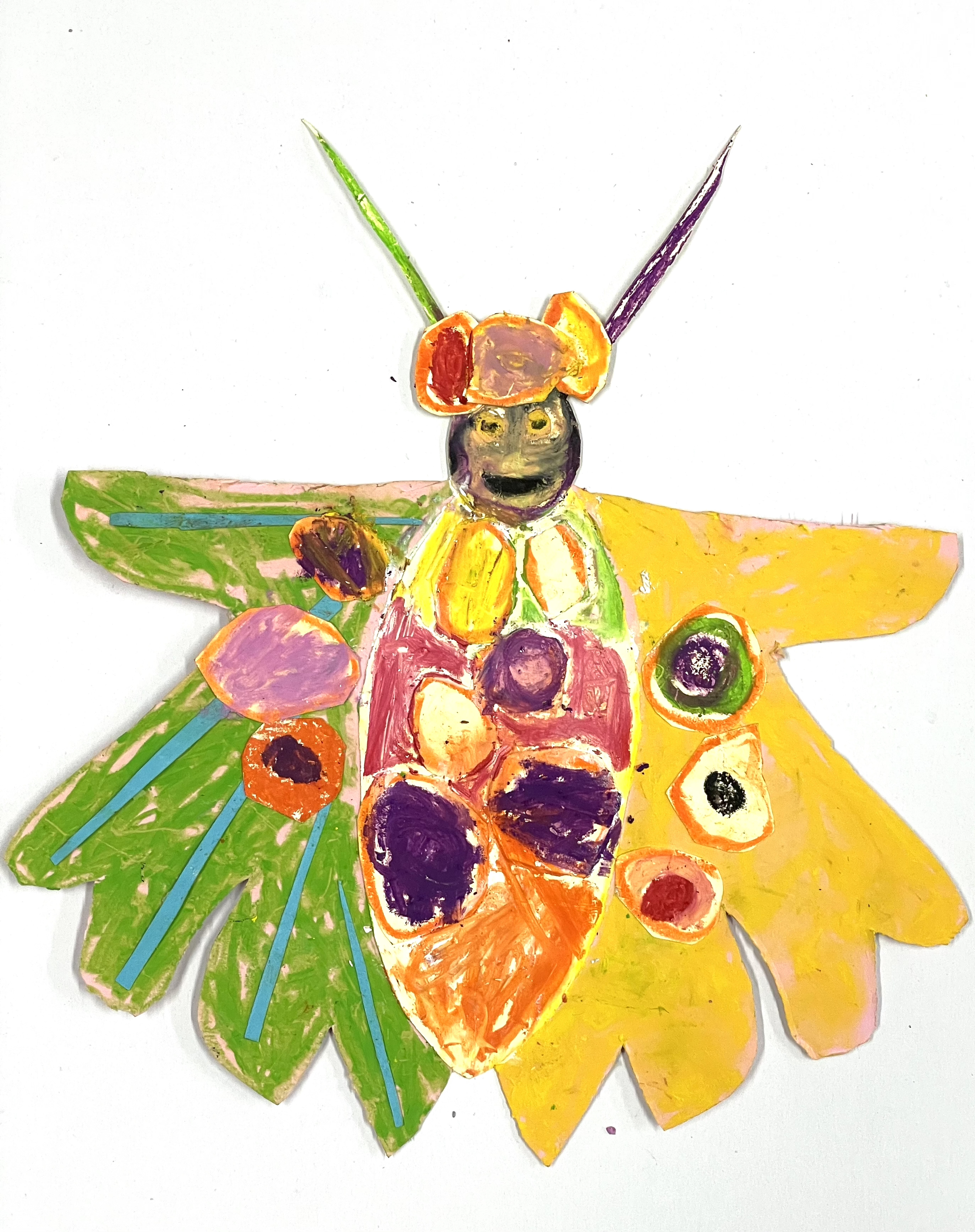
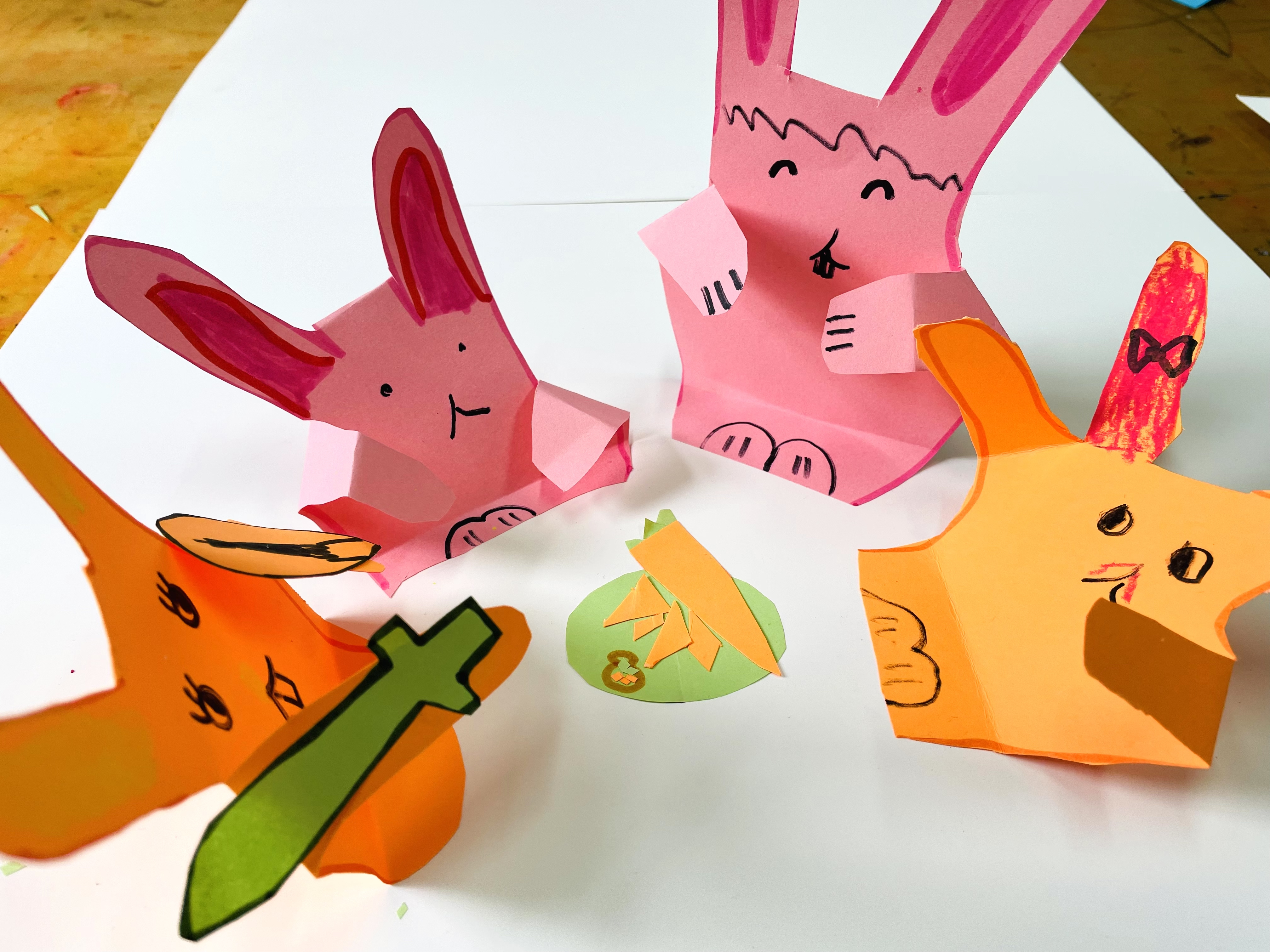
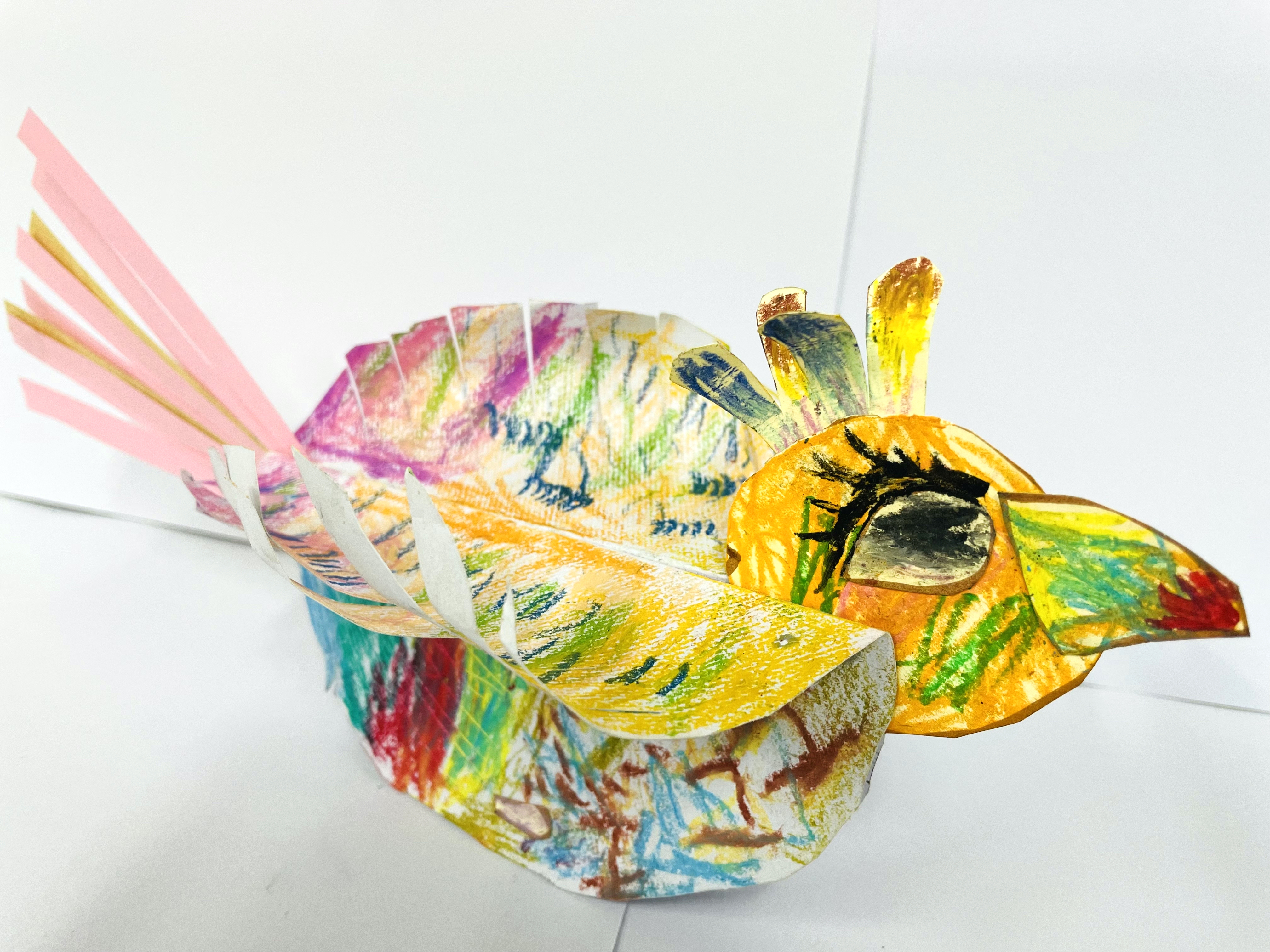
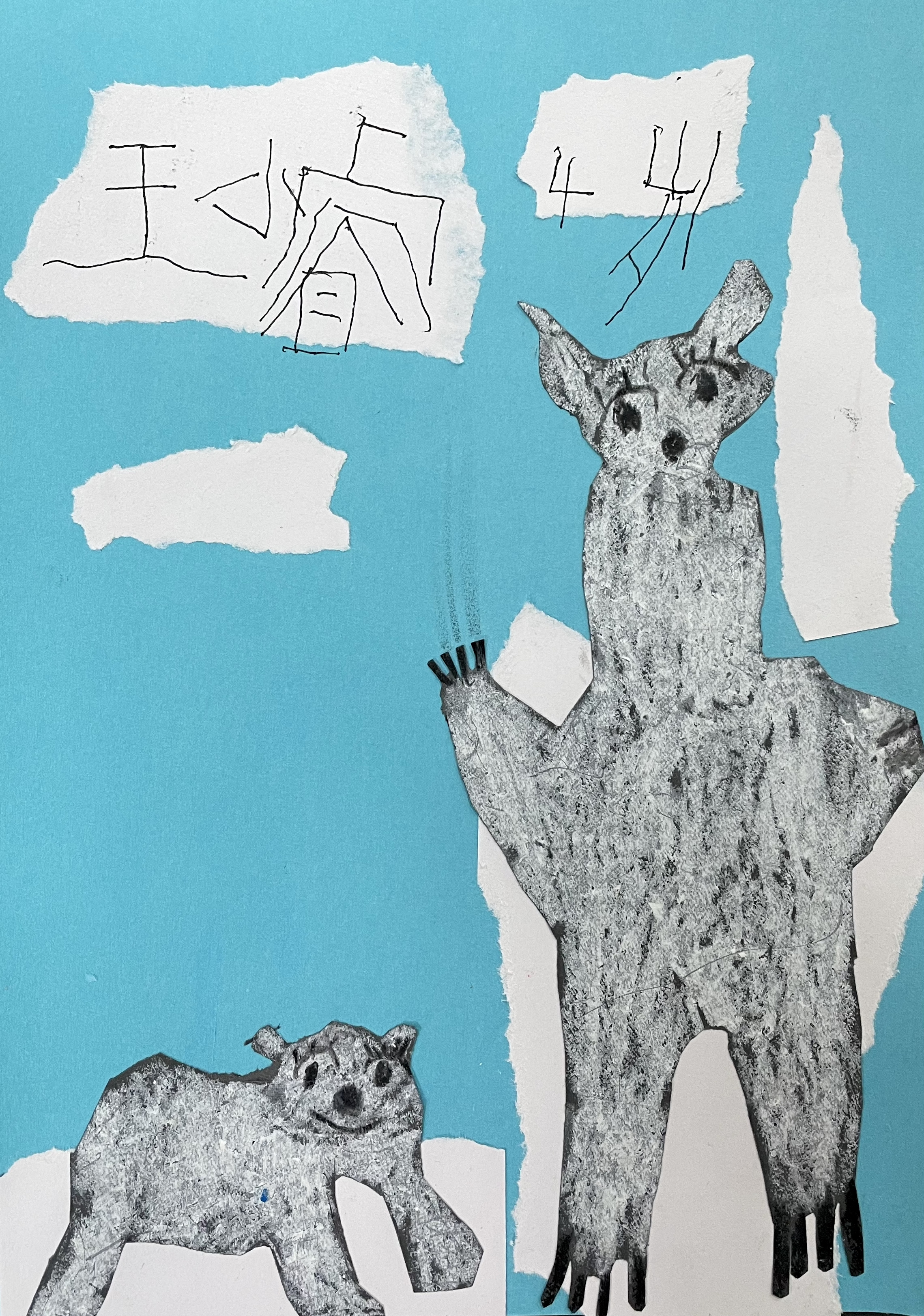
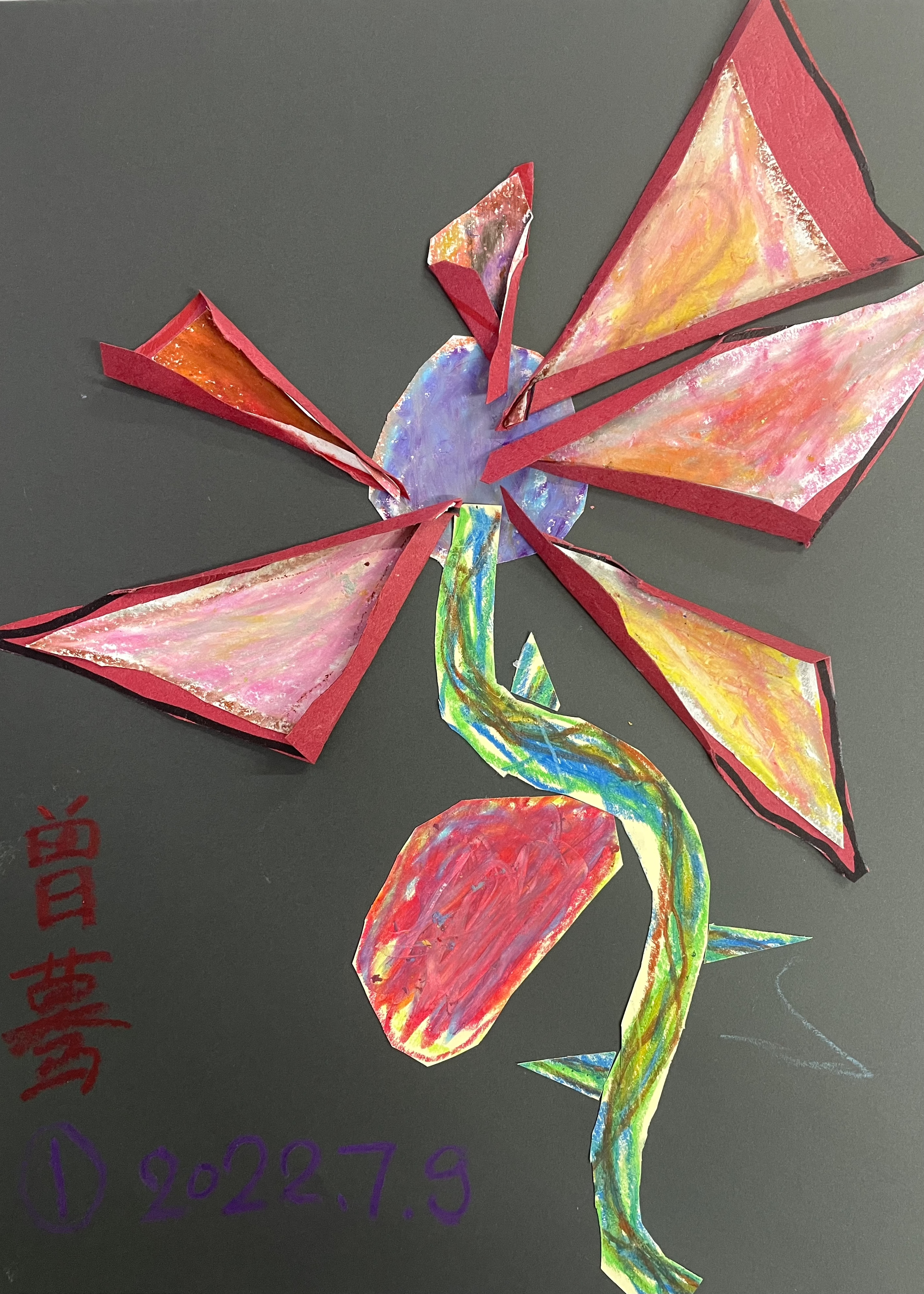
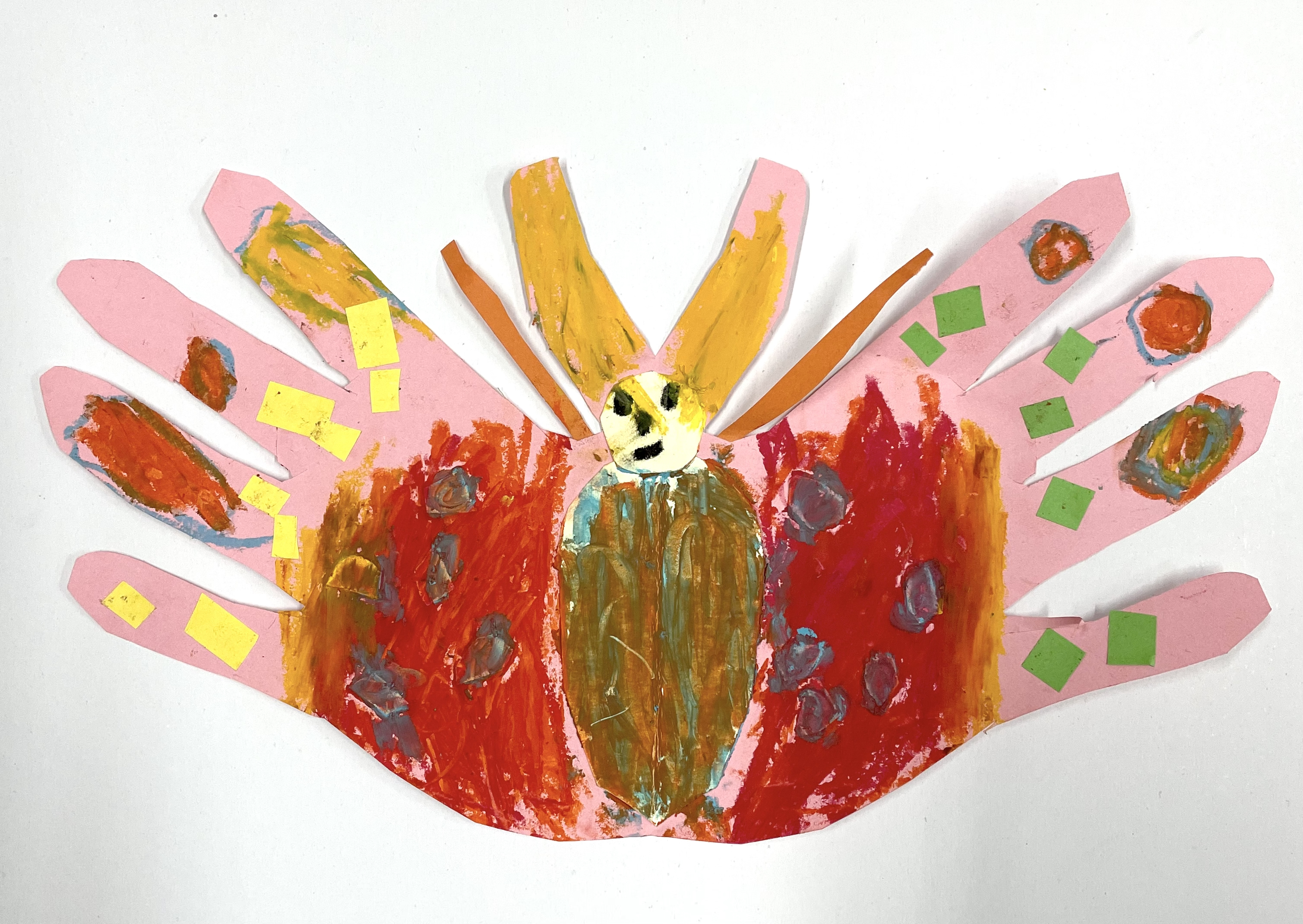
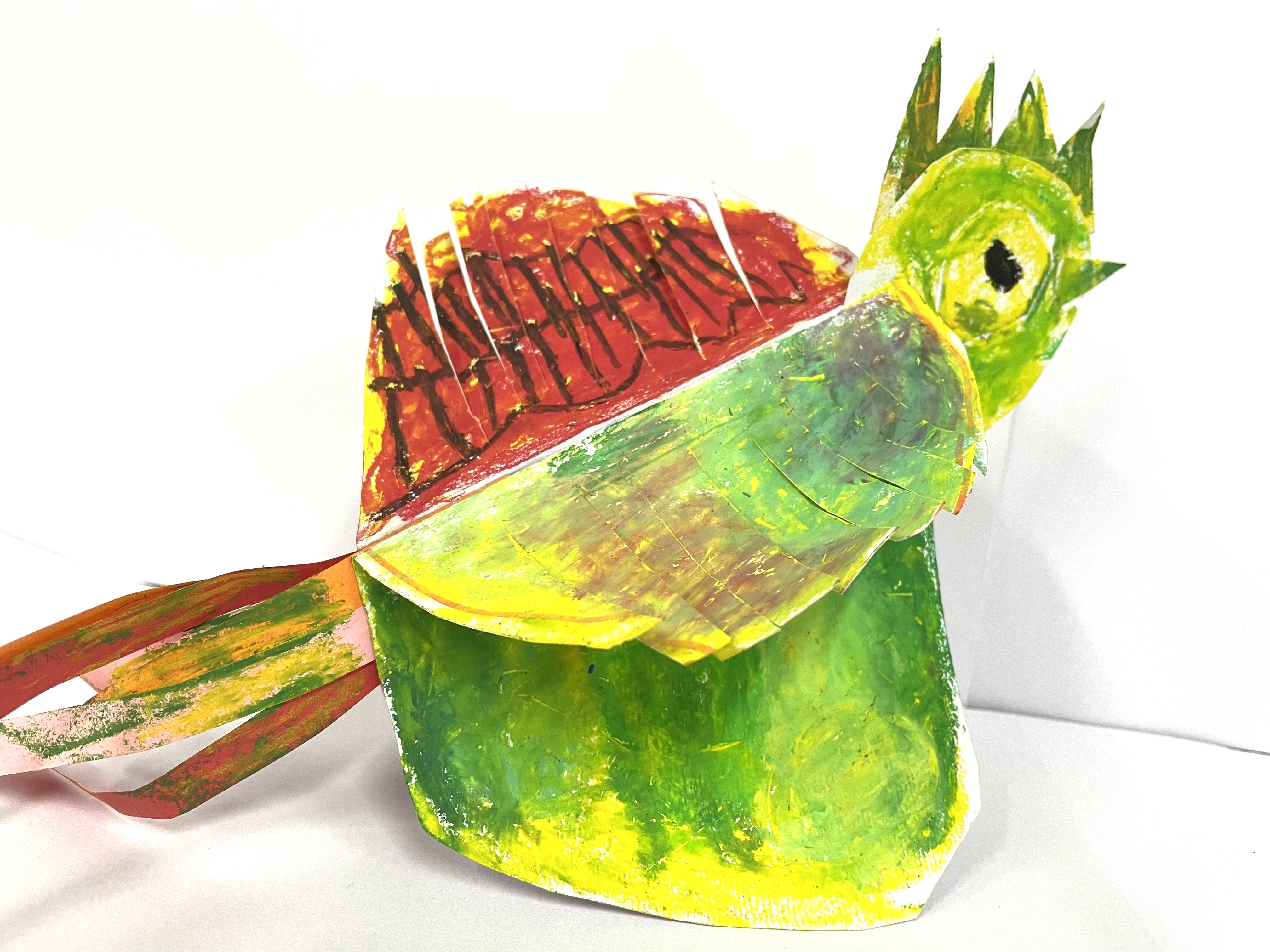
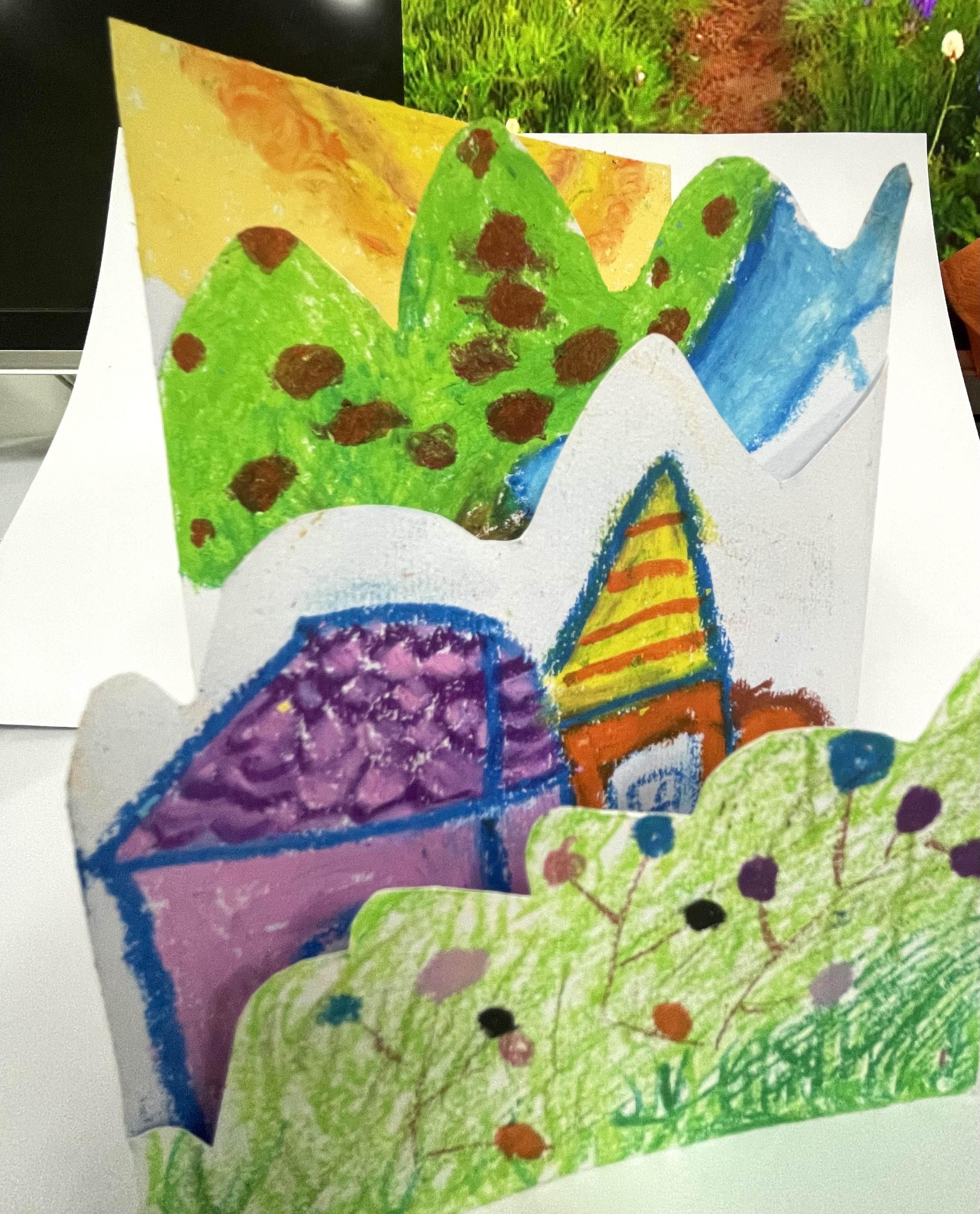

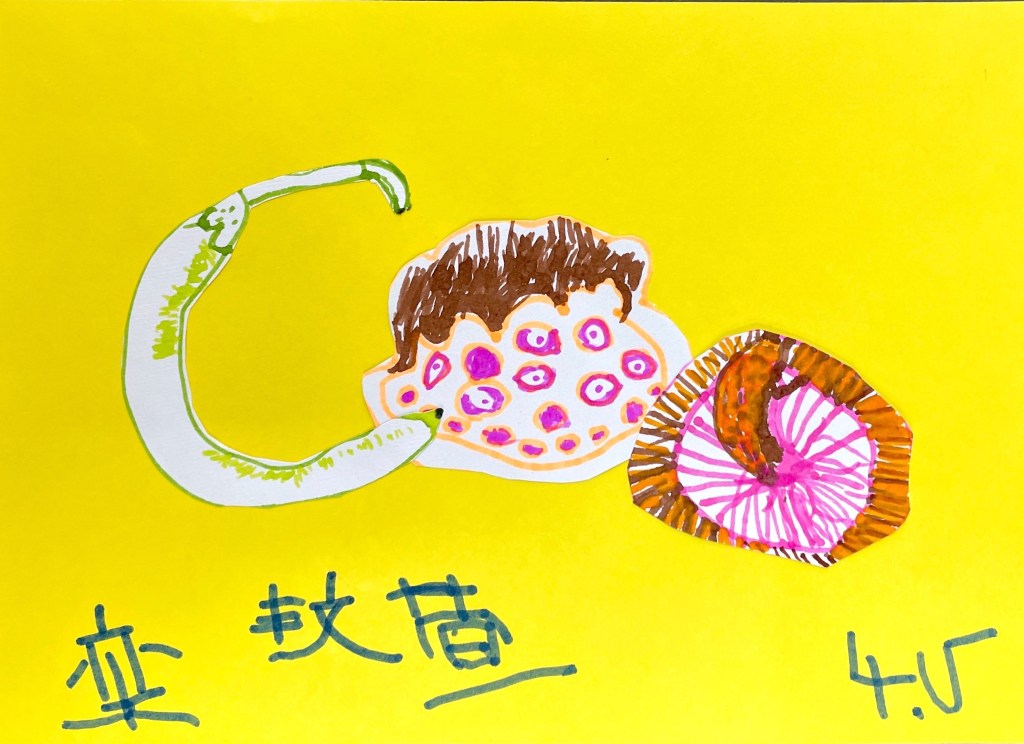
Learning Together at a Distance【Online teaching】
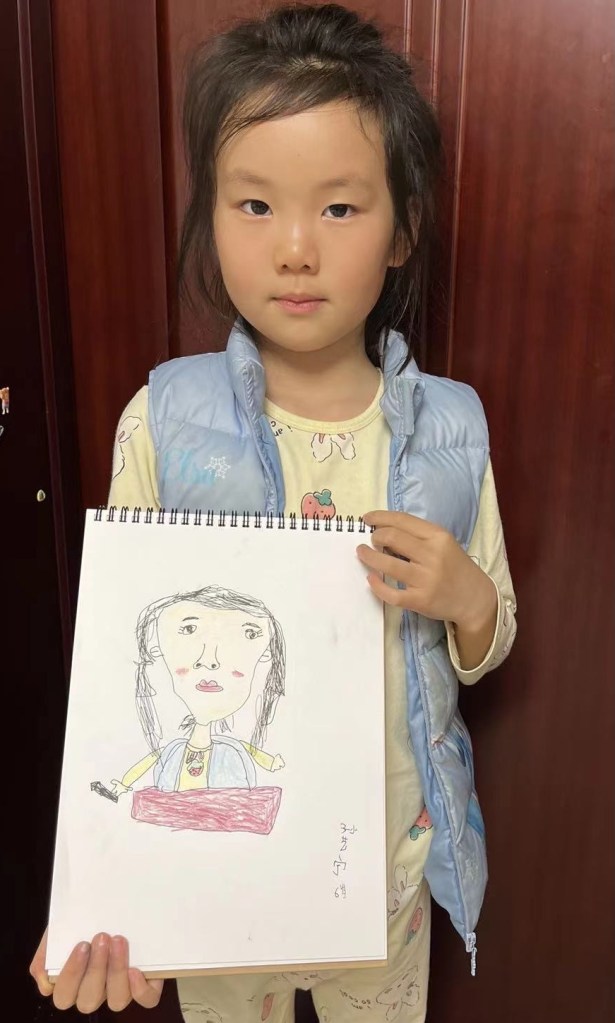
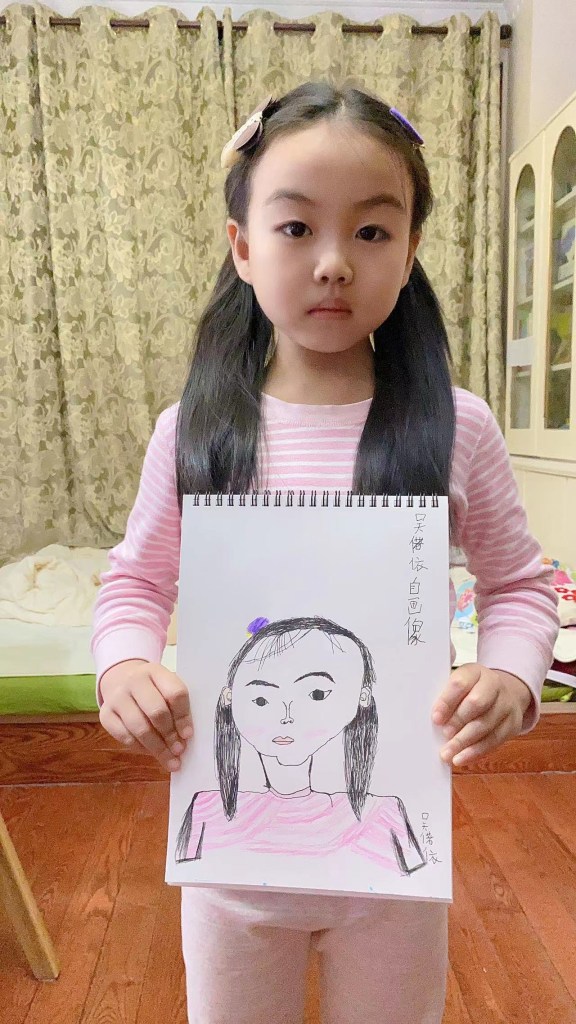
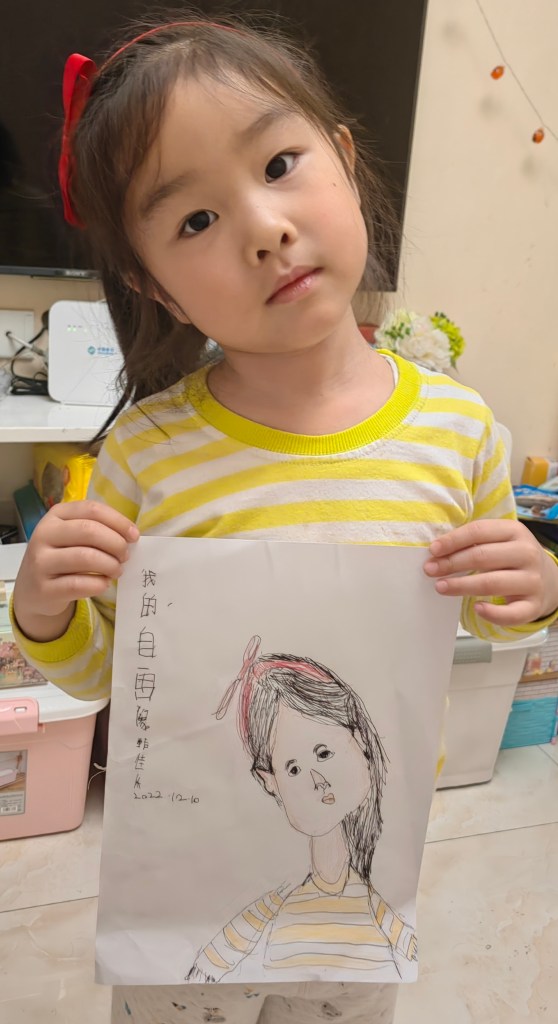
In this section, I document my teaching experiences during the COVID-19 pandemic. I worked with students from diverse age groups, which presented significant pedagogical challenges at the outset. The lack of immediate, face-to-face feedback, combined with technological limitations and internet instability, often led to miscommunication and misunderstanding. However, as I gradually reframed my teaching mindset and developed greater trust in my students’ learning processes, I began to cultivate a stronger sense of confidence—both in them and in myself. In retrospect, this period was not only professionally formative but also deeply meaningful and rewarding.
Section 1: Exploring myself through a mirror
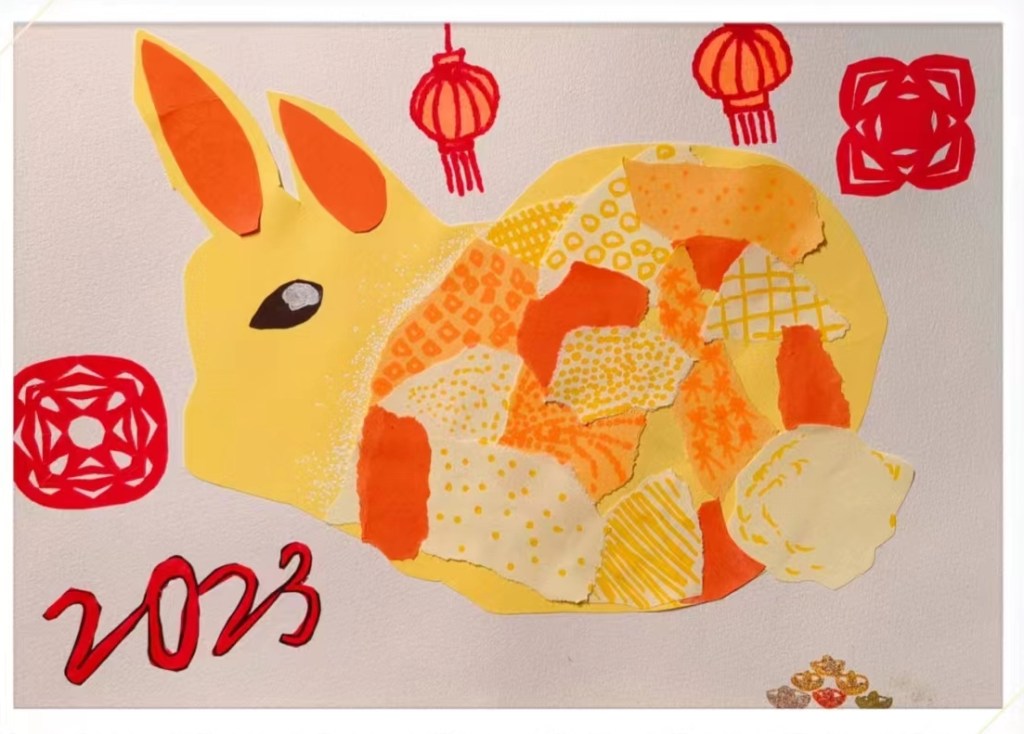
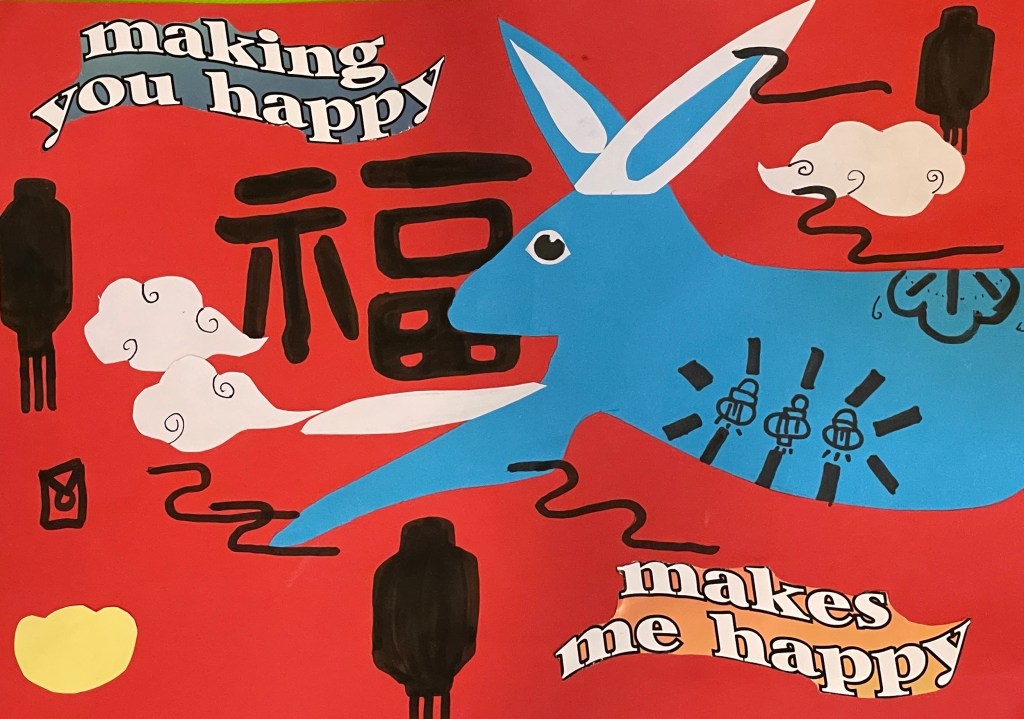
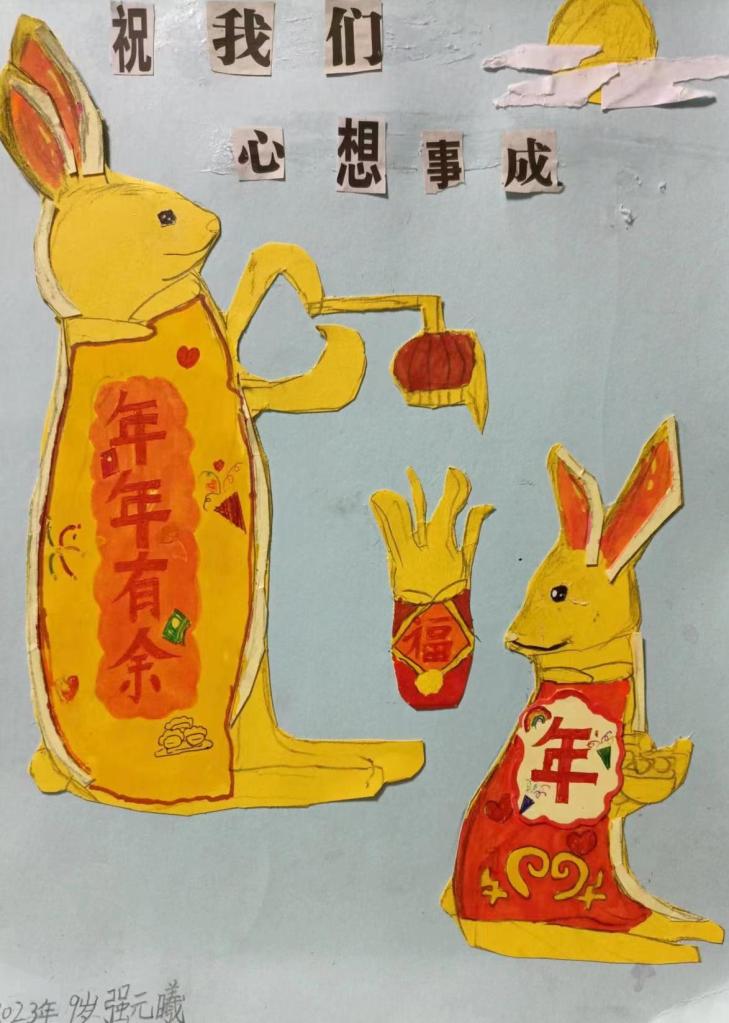
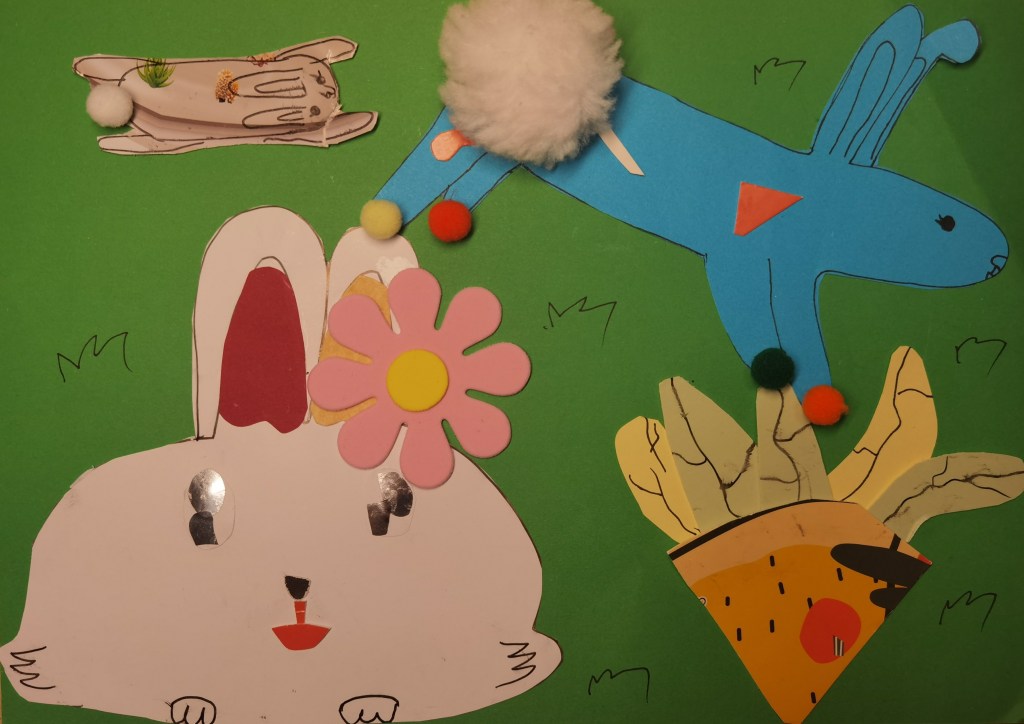
Section 2 : Celebrating the rabbit year
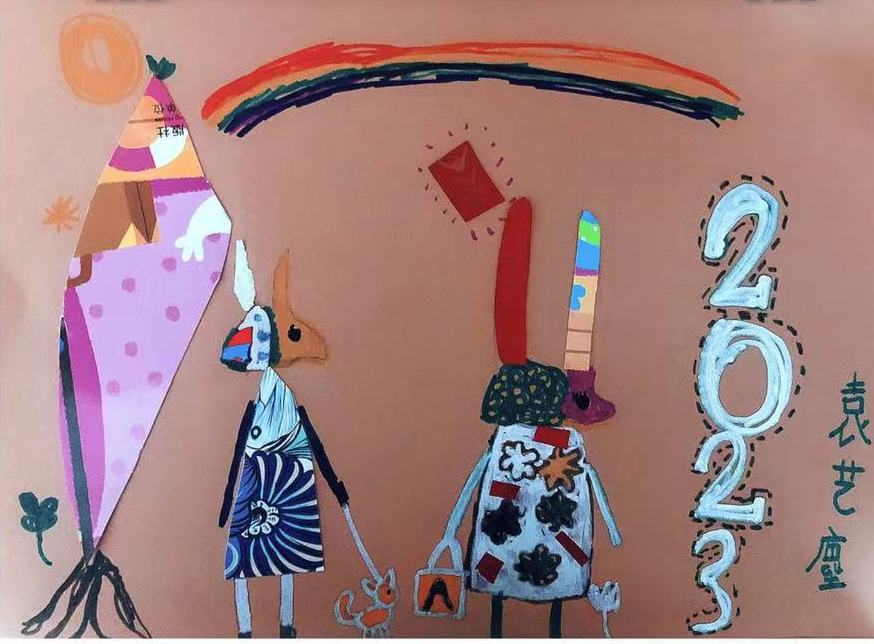
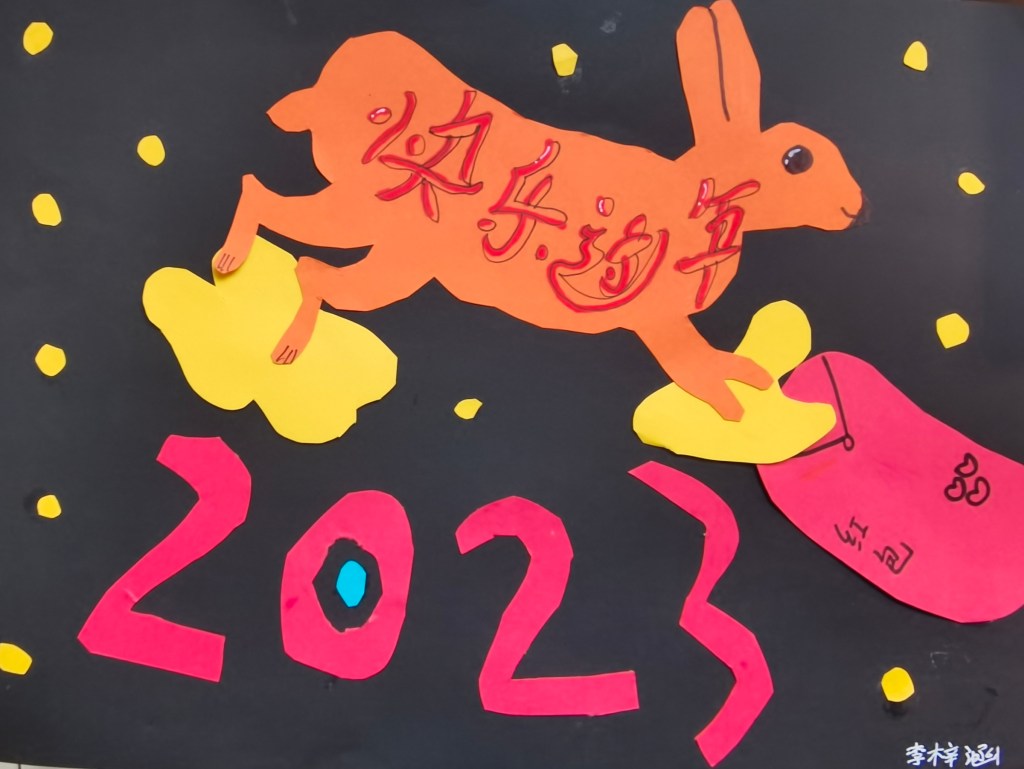
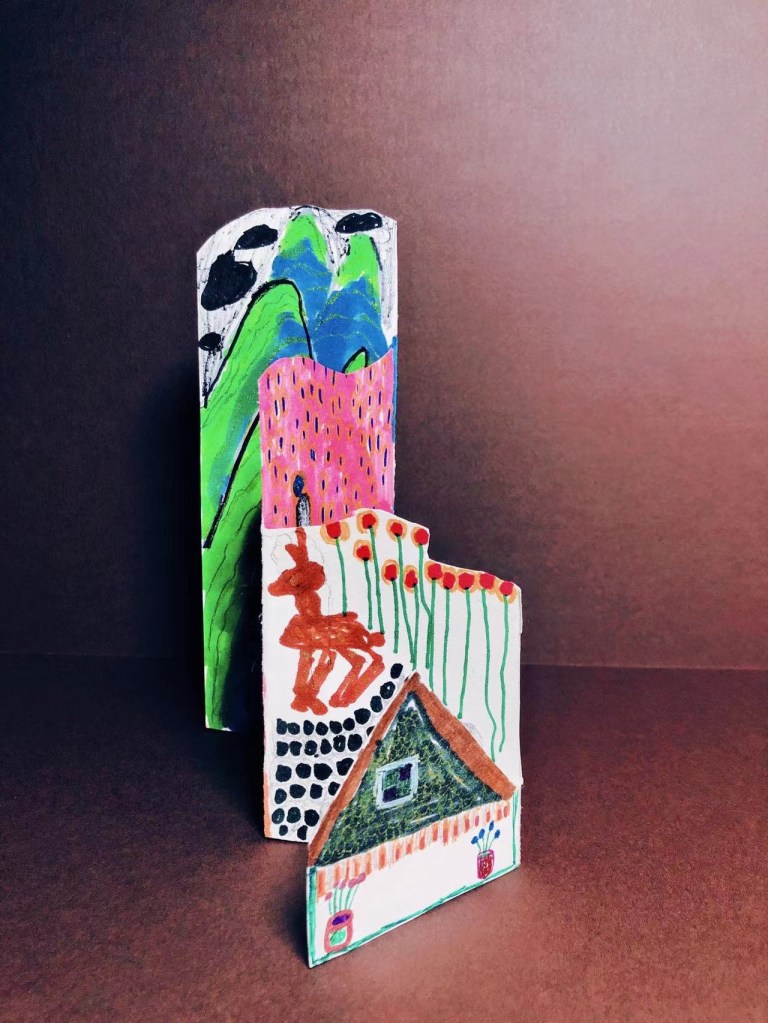
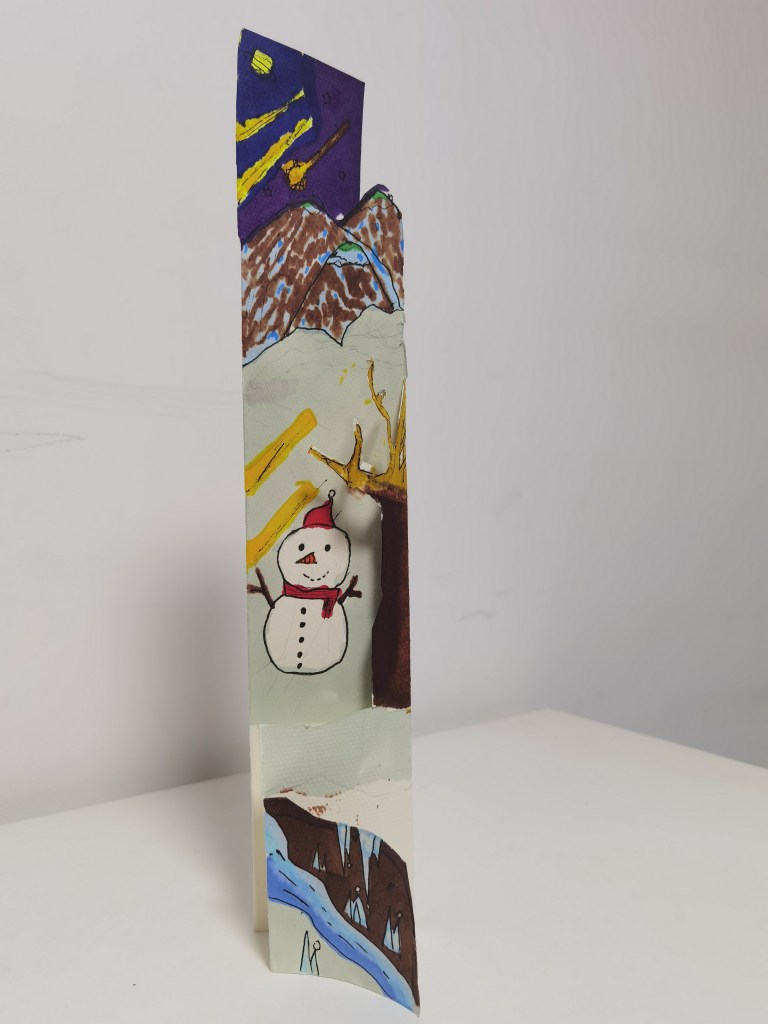
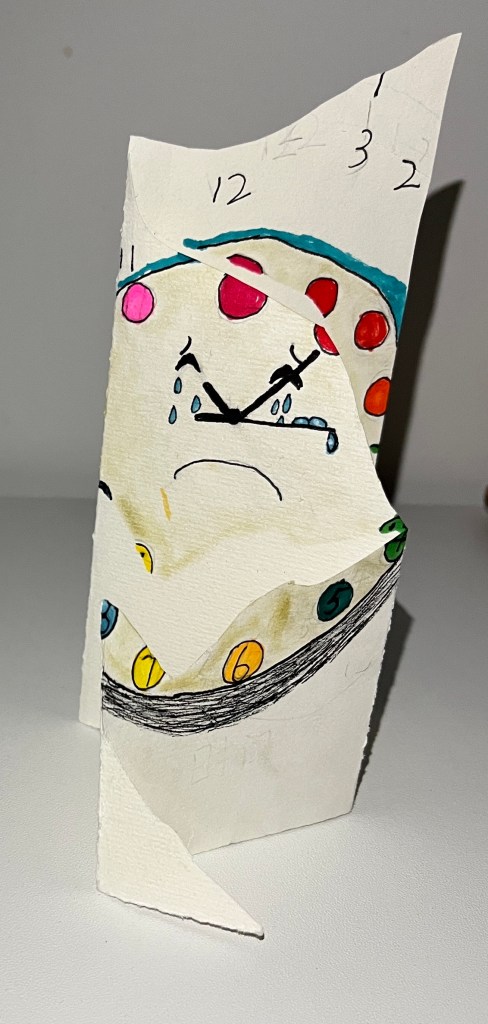
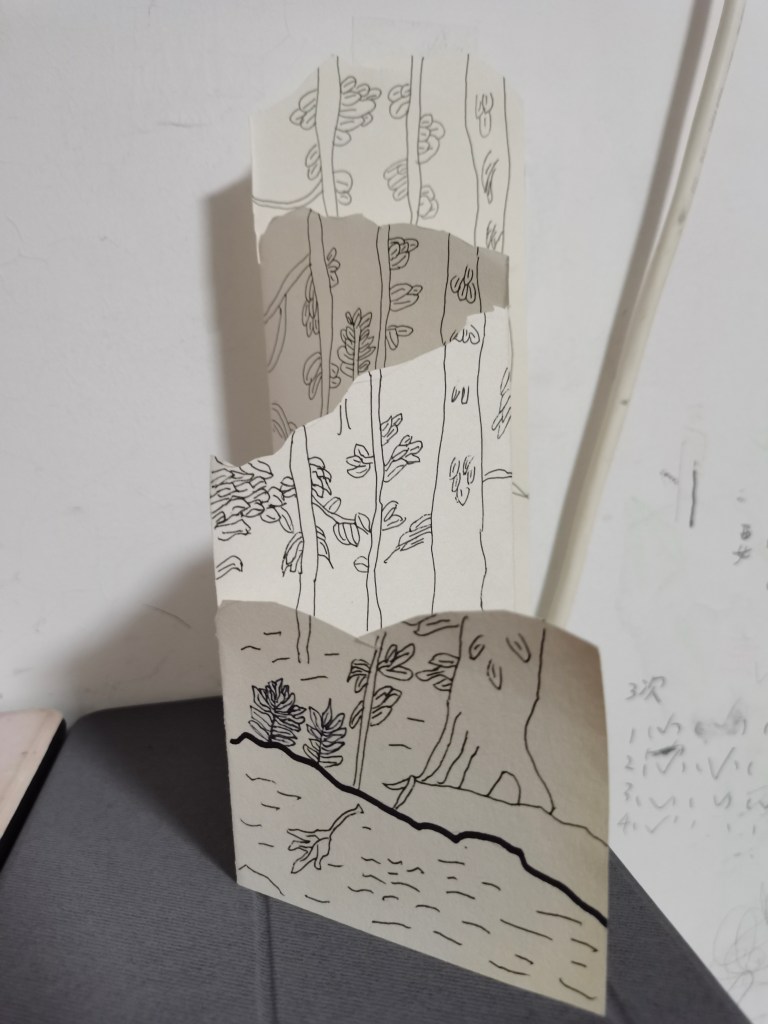
Section 3: Developing spatial awareness
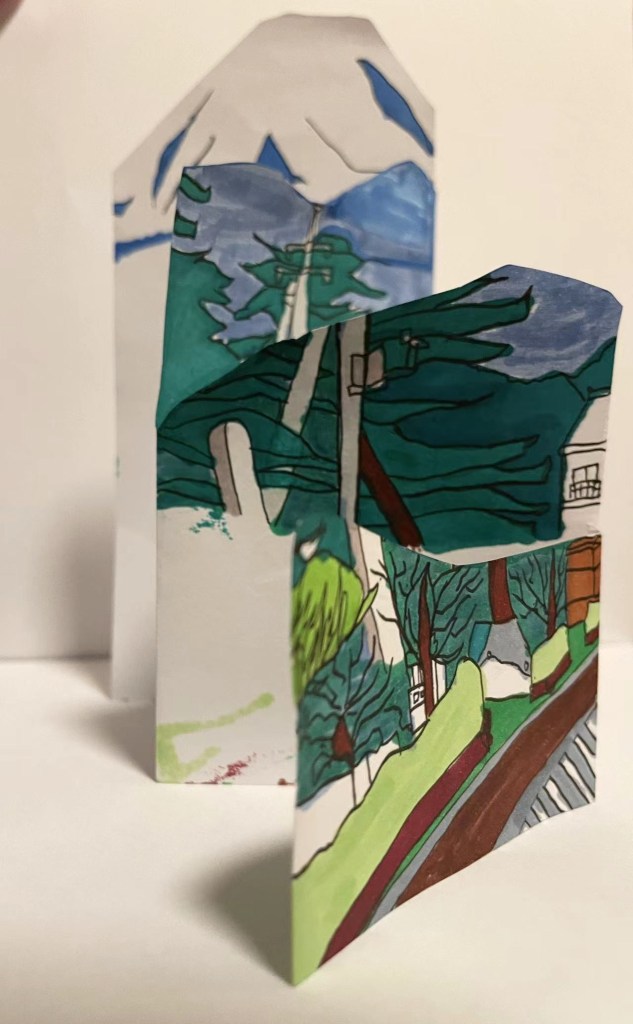
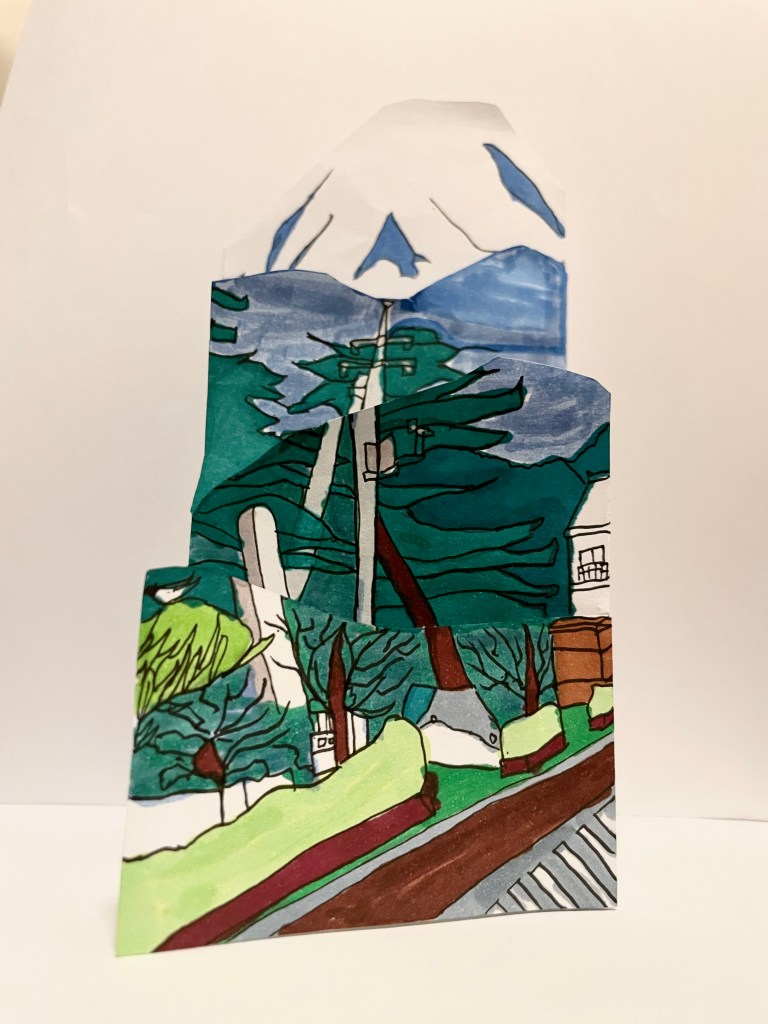
TEACHING JOURNAL
This section shares my thoughts from the teaching process. I see teaching as a dialogue where learning flows both ways. Through artmaking and conversation, I explore how creativity can build connection, empathy, and cultural understanding. Each class becomes a space for reflection, growth, and shared discovery.
- This article explores how children express their inner world and emotions through diary drawings. The study reveals that these drawings not only record daily experiences but also convey children’s “inner voices” — their perceptions, feelings, and reflections about themselves and their surroundings. The article highlights the importance of artistic expression as a meaningful way for children to communicate thoughts that may not be easily expressed through words.
From Motion to Meaning: Children’s Visual Narratives of Sport and Community
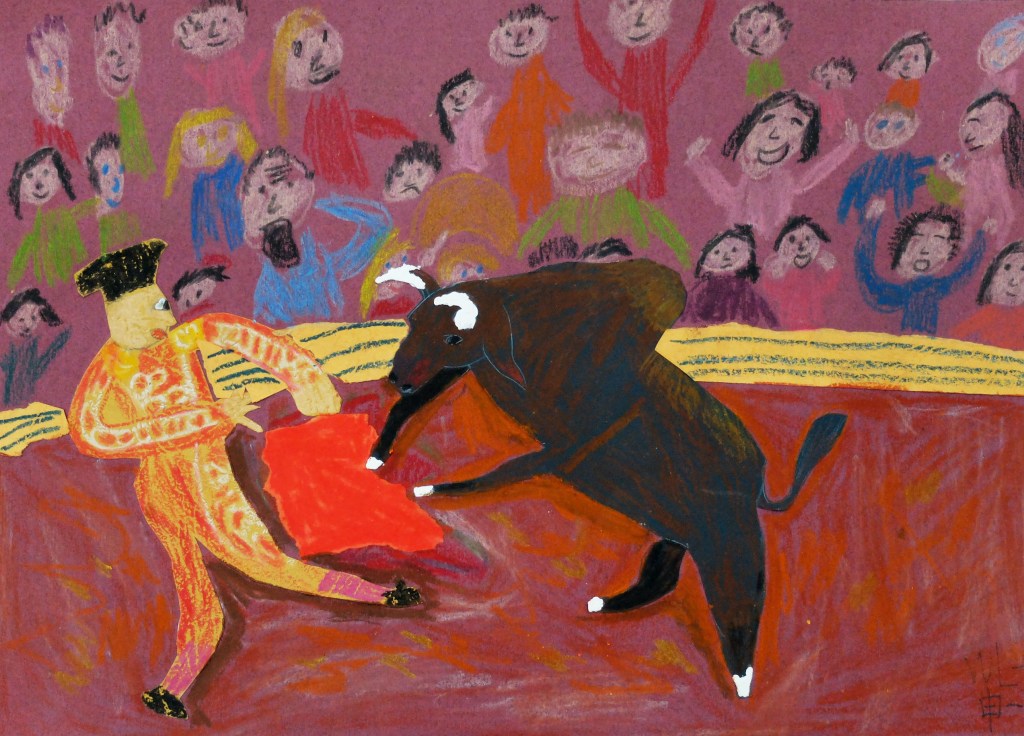
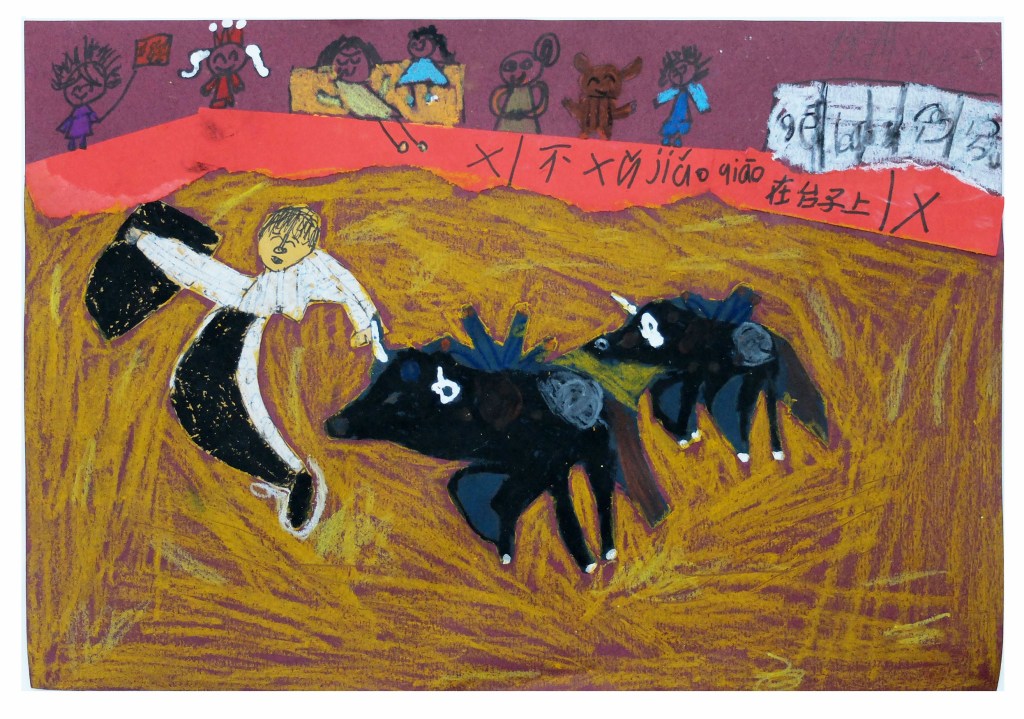
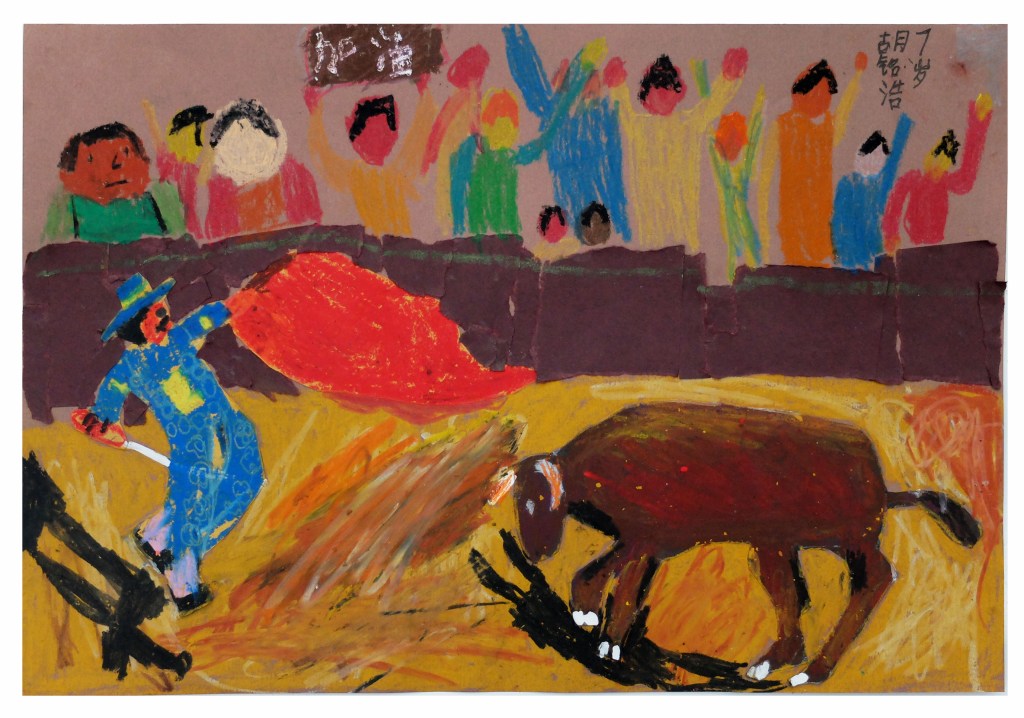
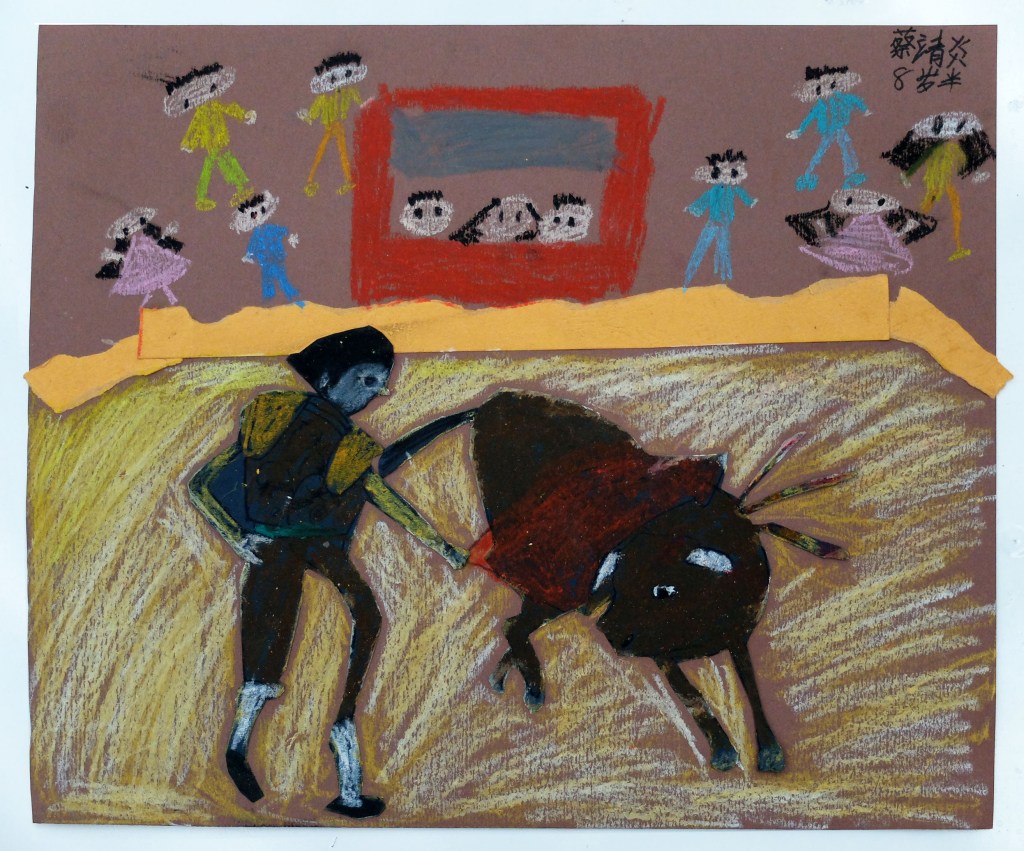
This art project centers on the theme of sport and invites children to explore movement, strength, and expression through a variety of artistic media, including drawing, collage, sculpture, and mixed materials. Rather than simply depicting athletic actions, children are encouraged to observe how bodies move in space and how emotions, energy, and rhythm can be communicated through posture, gesture, and form. By experimenting with lines, shapes, textures, and colors, they learn to express the dynamic qualities of motion—such as speed, balance, tension, and flow—while developing a deeper sensitivity to the expressive potential of the human body.
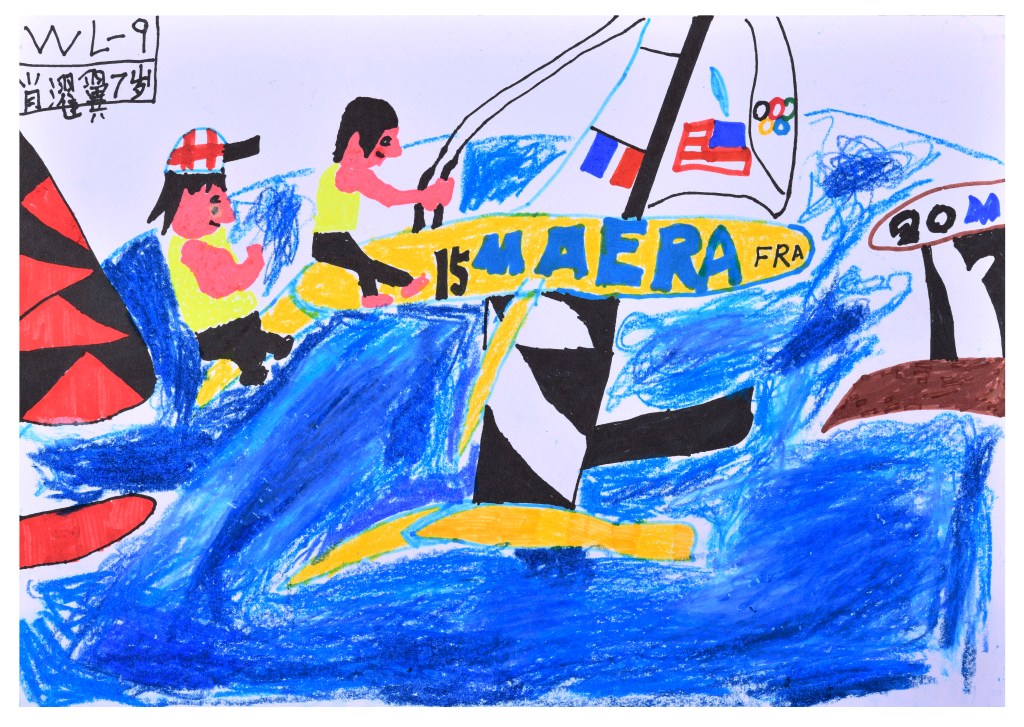
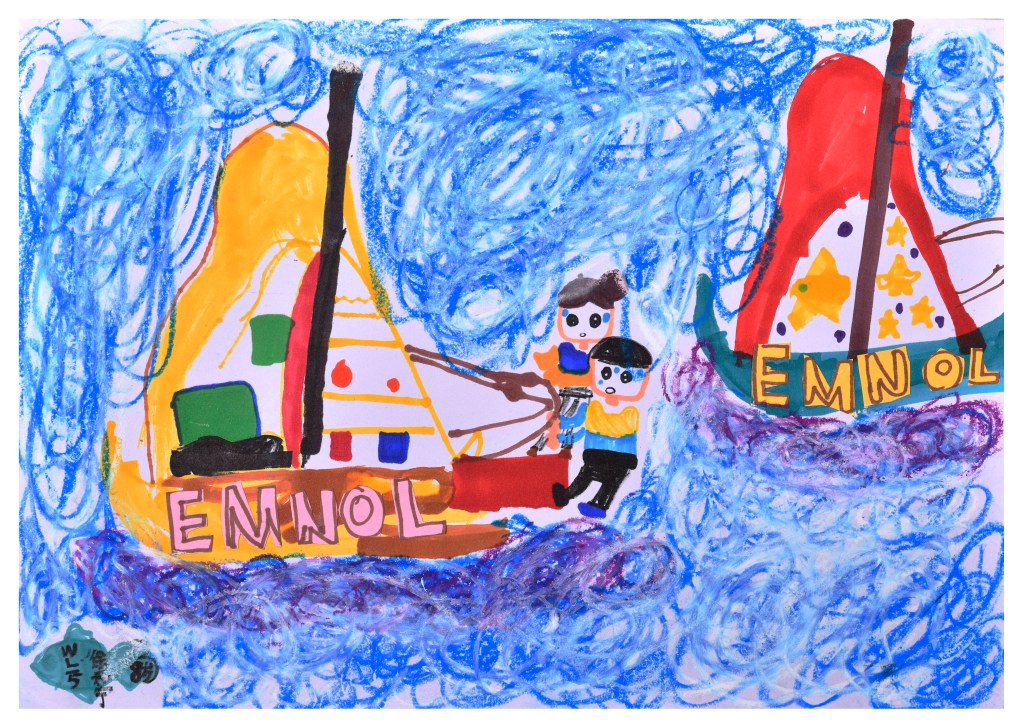
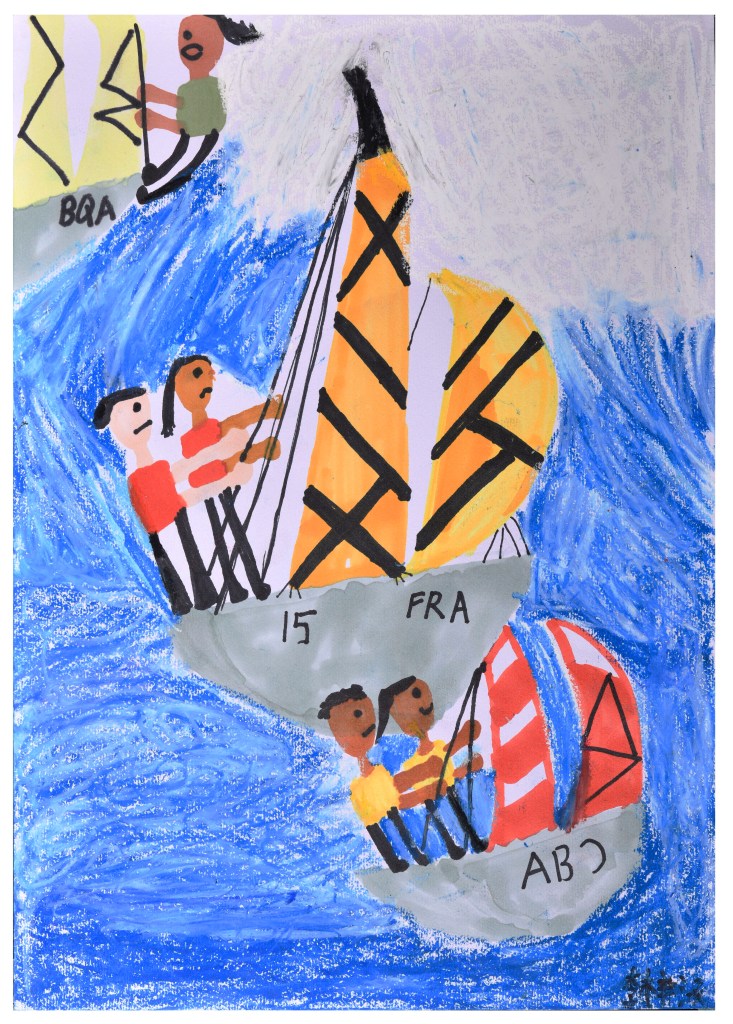
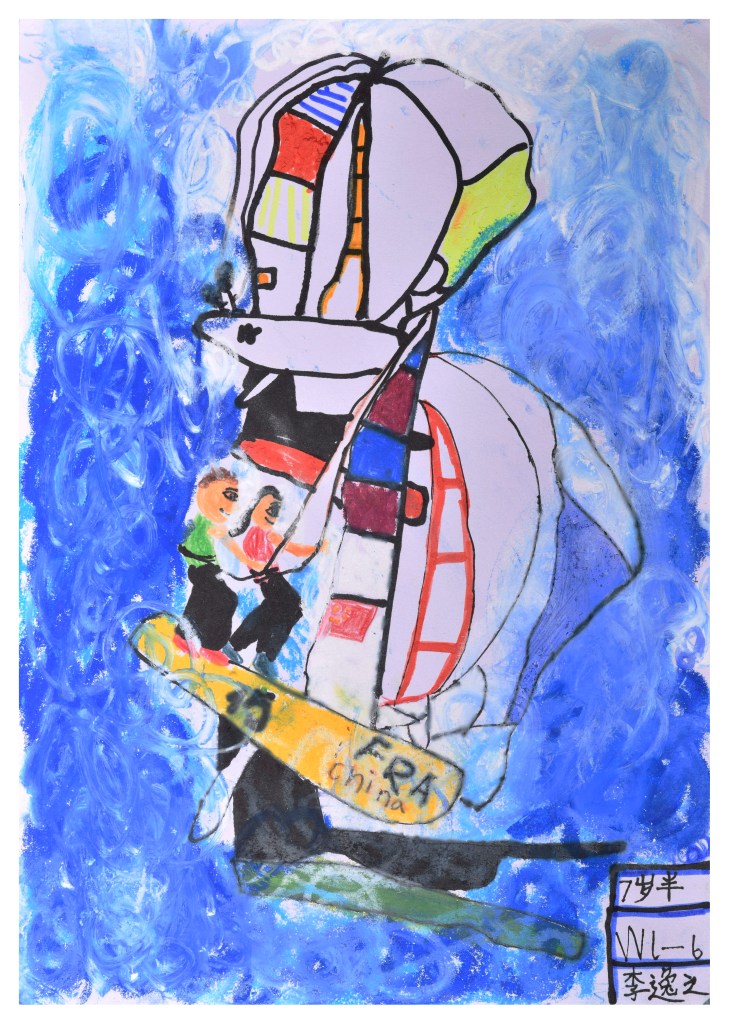
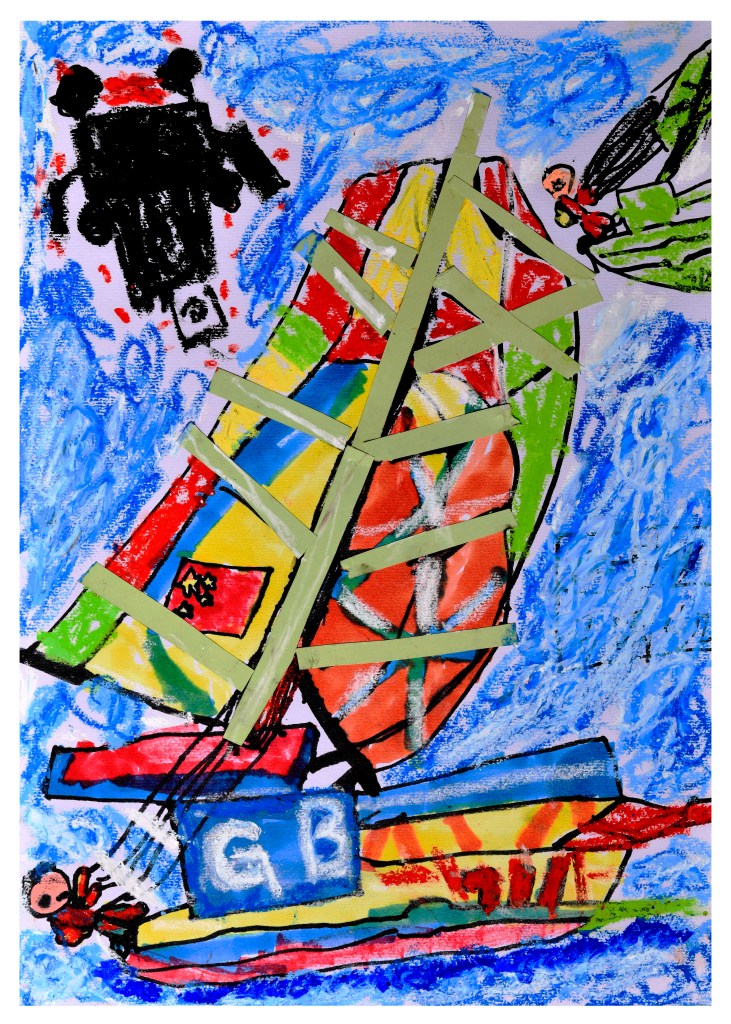
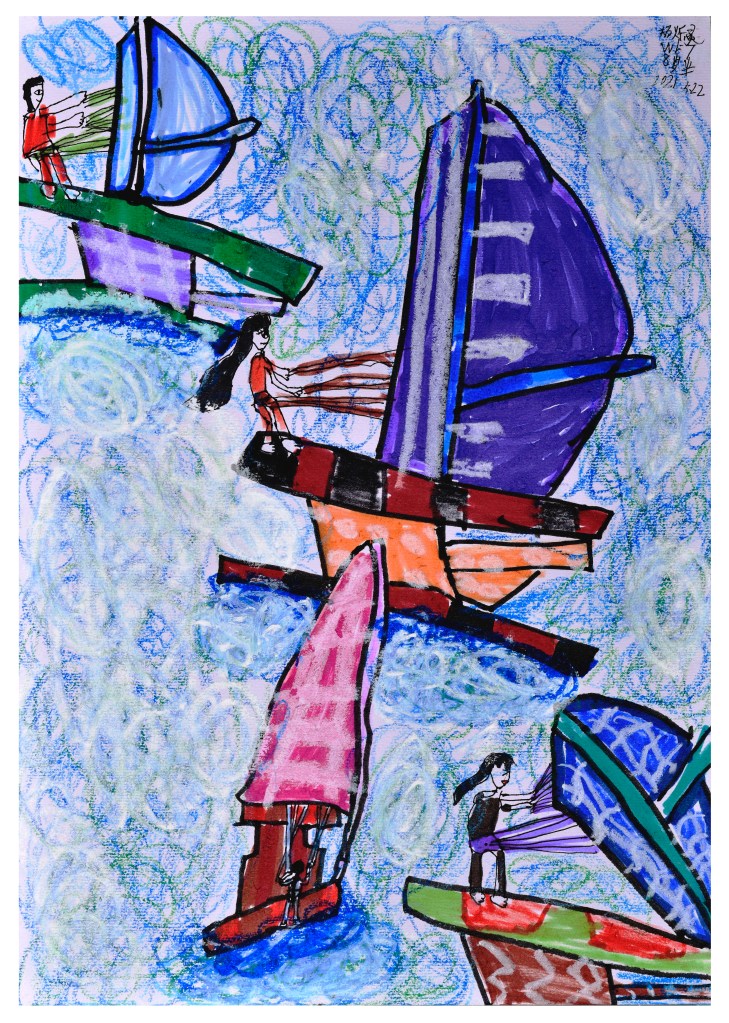
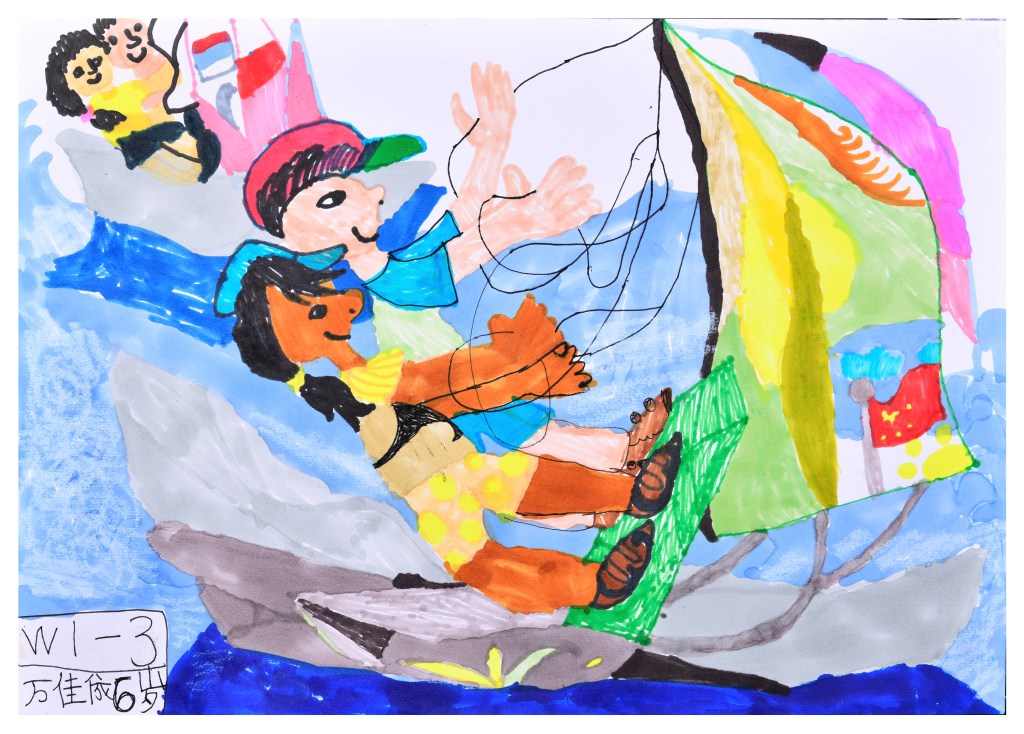
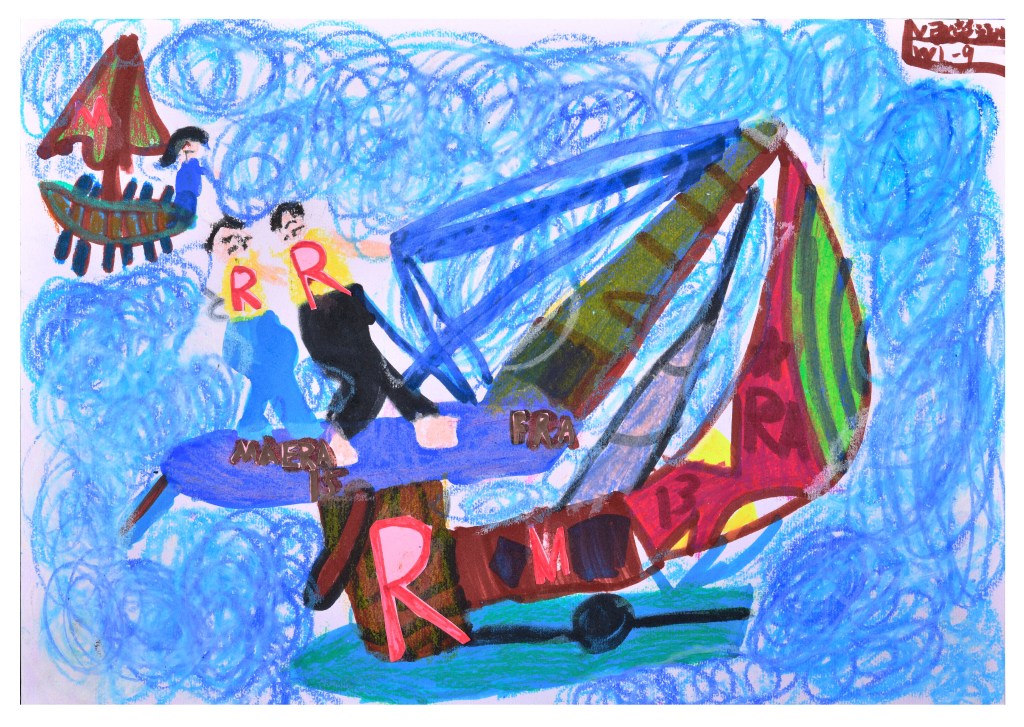
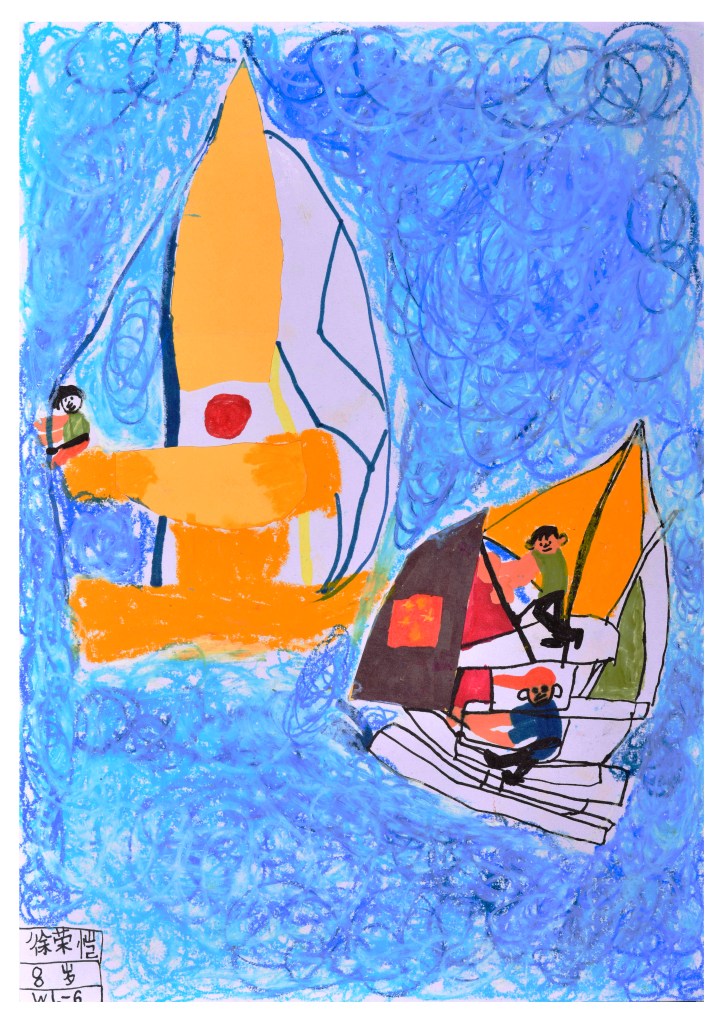
An important component of this project is the creation of meaningful scenes. Children are guided to place their figures within familiar or imagined environments, such as parks, playgrounds, streets, or neighborhood spaces. By doing so, they connect their artwork to everyday life and personal experience. This process supports the development of spatial awareness, visual storytelling, and contextual thinking, helping children understand how actions, environments, and emotions interact.
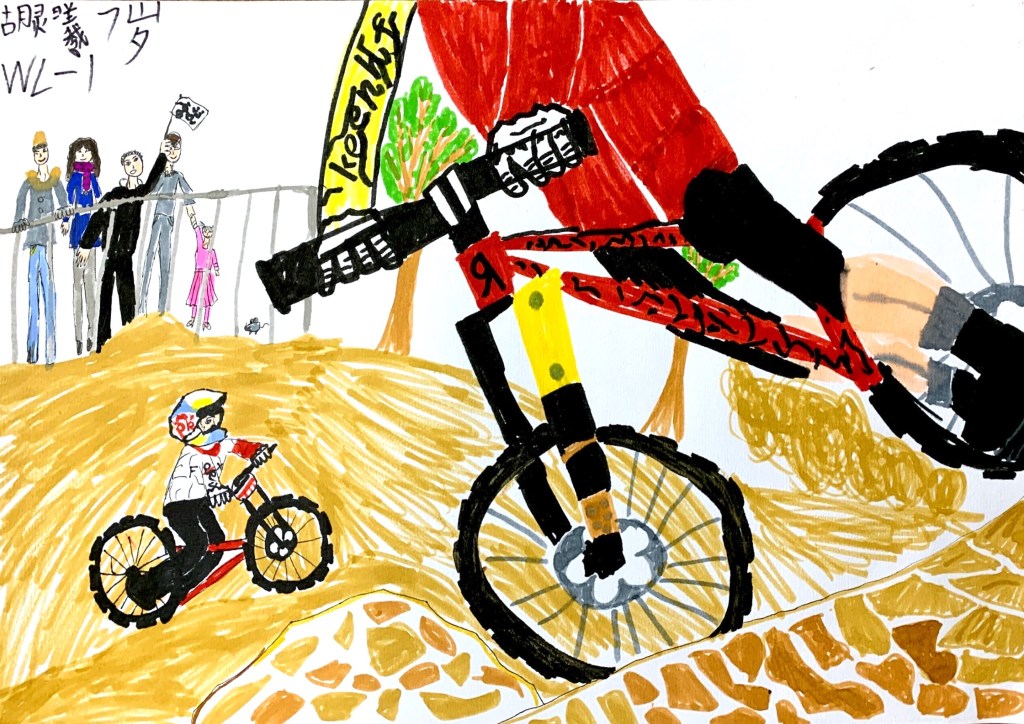
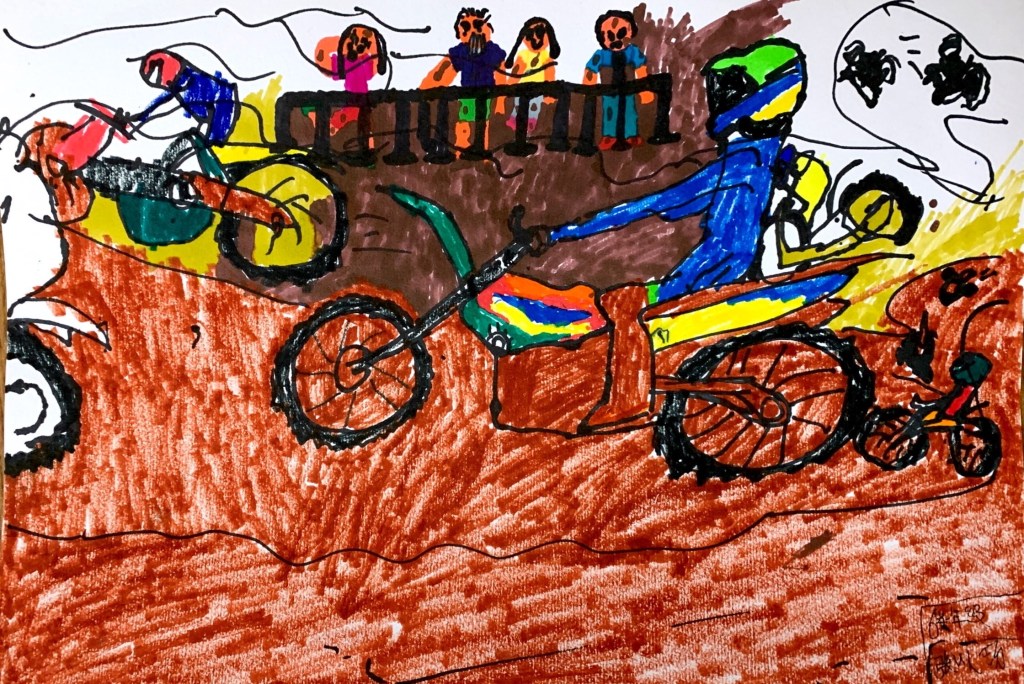
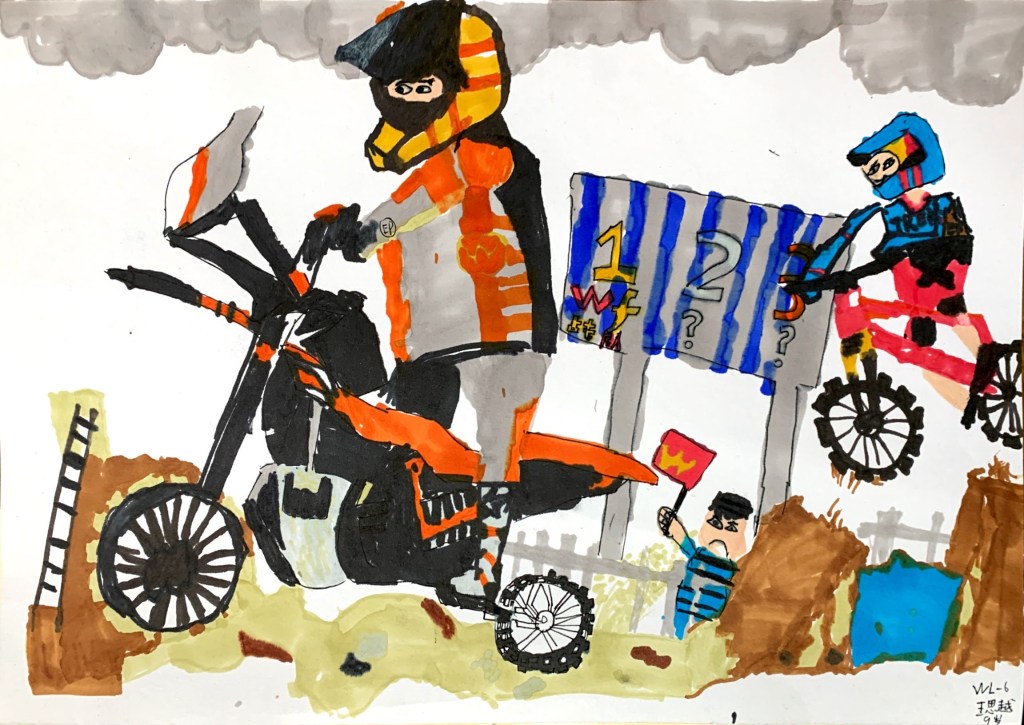
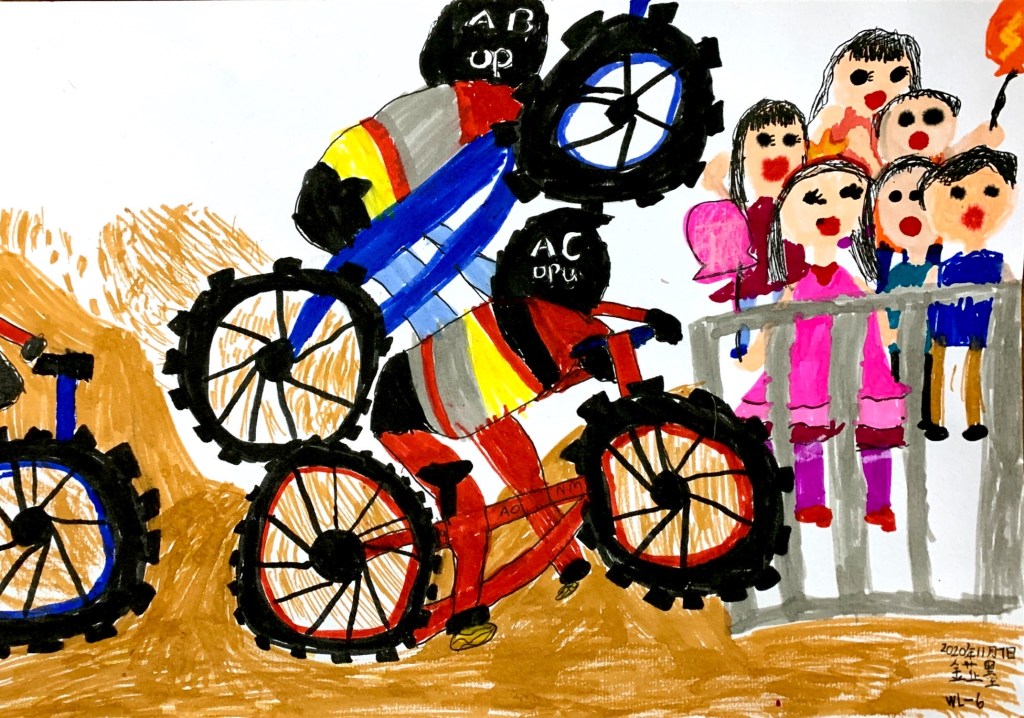
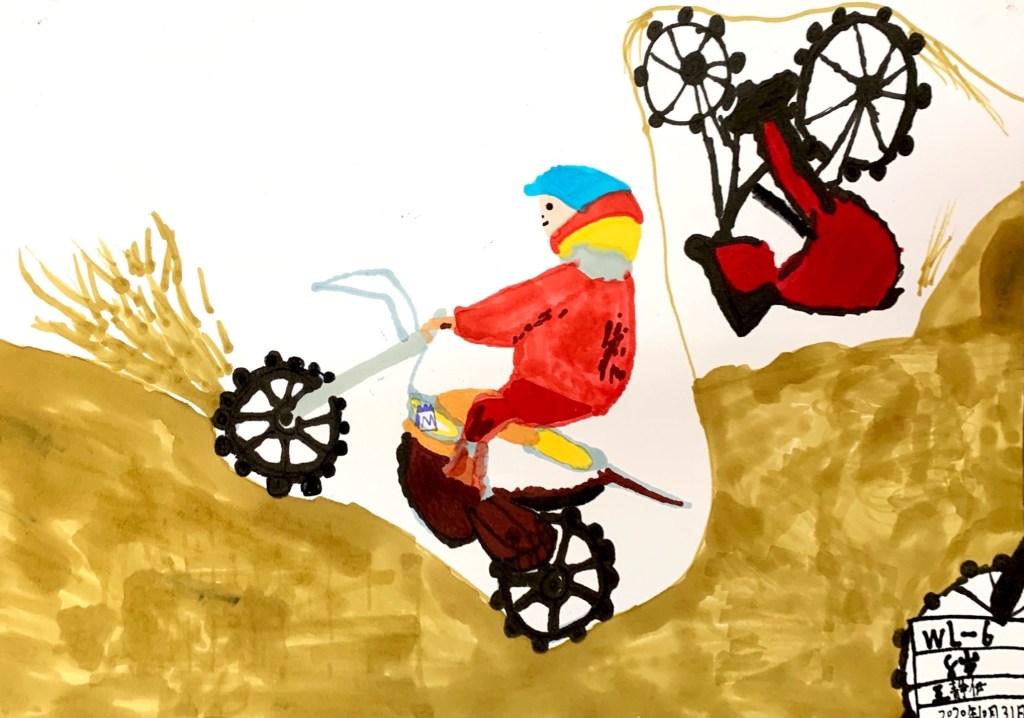
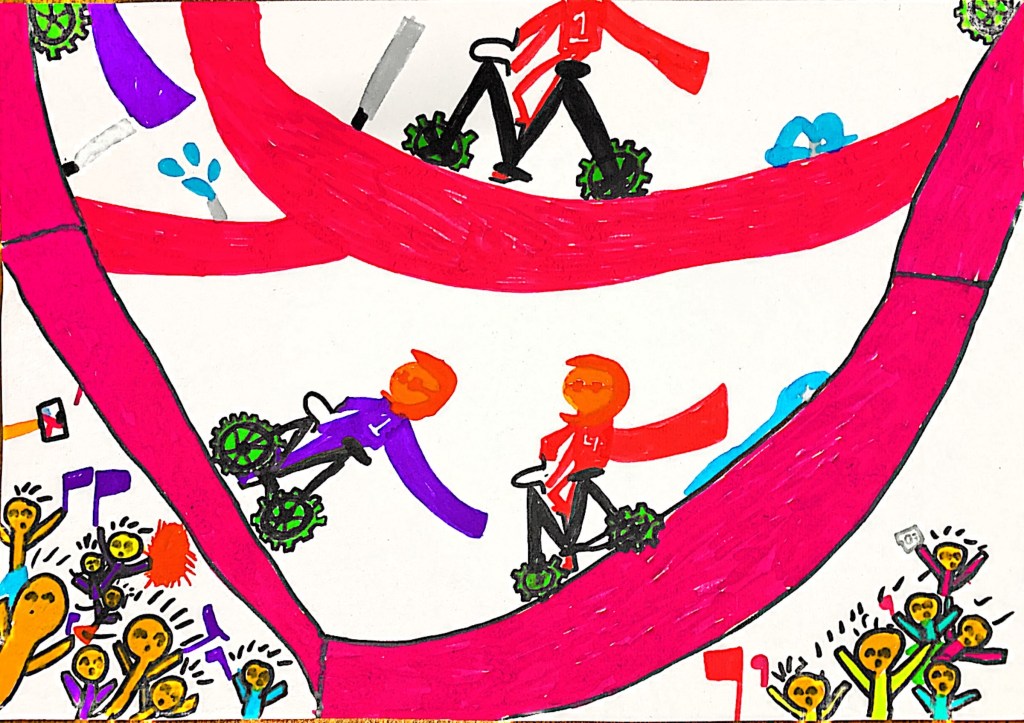
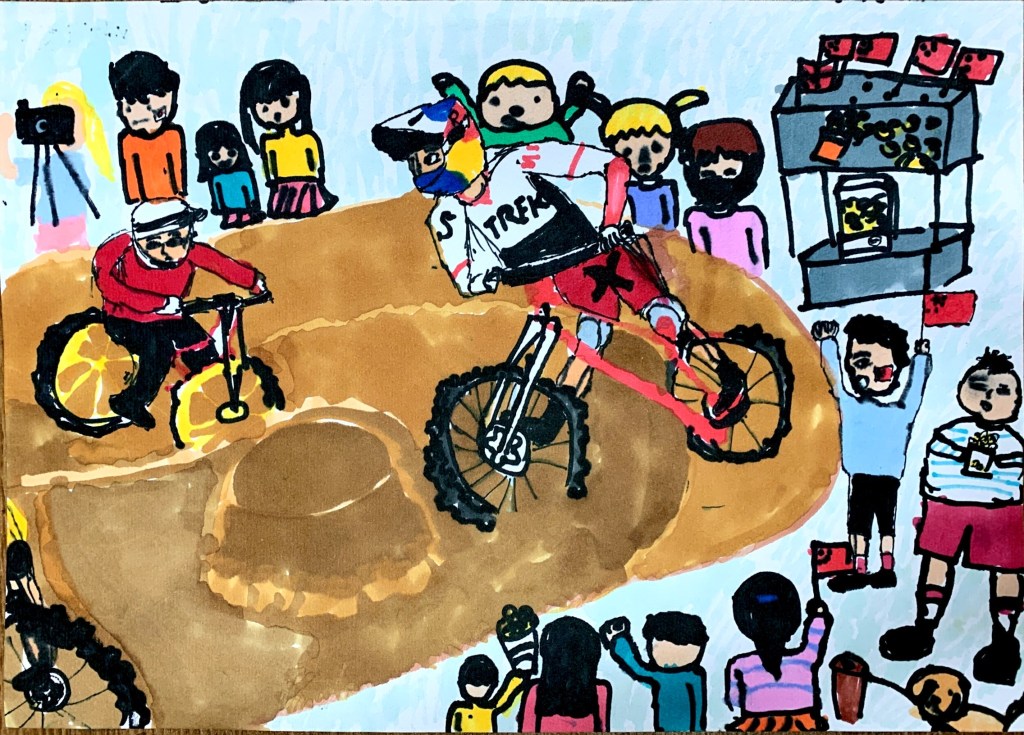
More than a technical exercise, this project treats art-making as a social and relational practice. Through sharing their stories, discussing their experiences with sports, and representing aspects of their communities, children strengthen their communication skills and their awareness of others. By linking physical movement with daily life and community spaces, the project fosters a sense of connection, participation, and belonging, encouraging children to see themselves as active, expressive members of their social world.
 LeiWang Artpark